
## Off-Grid Solar Systems: Empowering Rural Communities and Homesteaders
Nestled between towering pines and rolling hills, the dawn of a new day breaks over a small homestead, where the sound of rustling leaves and chirping birds fills the air. Here, the coffee brews, and sunlight spills onto vibrant vegetable patches, setting the stage for an idyllic life. This picturesque scene is not just a dream for many; it’s a daily reality powered by off-grid solar systems. In recent years, these systems have become the linchpin for rural communities and homesteaders alike, allowing individuals to take control of their energy needs while fostering sustainability and resilience.
### A Bright Solution: What Are Off-Grid Solar Systems?
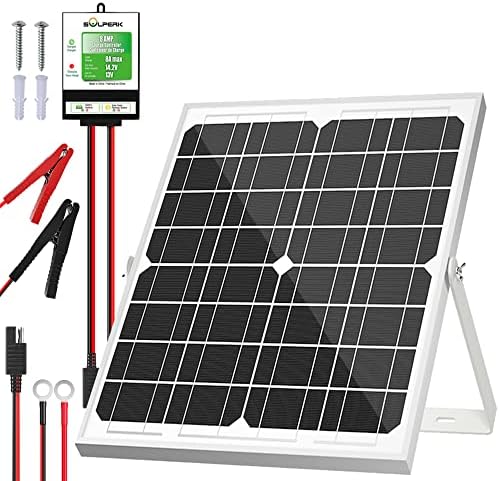
Off-grid solar systems consist of solar panels, batteries, and an inverter, working together to harness energy from the sun and store it for personal use. Unlike conventional grid-tied systems, which are connected to power lines and rely on utility companies, off-grid systems operate independently. This autonomy is particularly appealing for rural folk and those on homesteads who want to revel in self-sufficiency.
### The Benefits of Going Off-Grid with Solar
1. **Energy Independence**: Imagine flipping a switch and knowing that you’re pulling energy directly from your own solar system. No bills, no reliance on external power companies, and no worries about price fluctuations. For many, this is freedom personified.
2. **Environmental Impact**: Utilizing solar energy drastically cuts down carbon footprints. The more individuals adopt off-grid solar solutions, the less they depend on fossil fuels, creating a cleaner environment for future generations.
3. **Cost Savings**: While the initial setup may seem daunting, the long-term savings are significant. With no monthly energy bills and reduced maintenance costs, homeowners find their investment pays off within a few years.
4. **Resilience in Rural Areas**: Natural disasters can disrupt grid power, but an off-grid solar system can provide essential energy even during emergencies. Knowing you have power when others might be left in the dark is a comforting thought for many rural residents.
5. **Scalability**: Off-grid systems can be tailored to meet varied energy needs, from a quaint cabin with minimal energy consumption to a bustling homestead with arrayed systems for heating, cooling, and electing power.
### How to Set Up Your Off-Grid Solar System
Navigating through the setup can seem challenging, but breaking down the process into manageable steps makes it an exciting adventure!
#### 1. **Determine Your Energy Needs**
Begin by evaluating your energy consumption. Create a list of devices you frequently use—lights, appliances, heating systems, etc.—and calculate how much energy each consumes over a day. This will provide a baseline for what capacity of solar panels you’ll need.
#### 2. **Choose the Right Components**
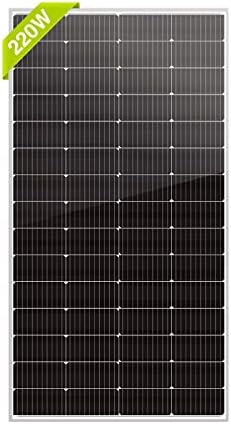
– **Solar Panels**: Depending on your energy requirements, consider installing a mix of monocrystalline and polycrystalline panels, which both offer unique benefits in terms of efficiency and cost.
– **Inverter**: This piece of equipment converts the direct current (DC) produced by the solar panels into alternating current (AC), usable in most appliances.
– **Battery Storage**: Batteries store excess energy generated during sunny days for use at night or during cloudy weather. Lithium-ion batteries, though pricier, have a longer lifespan and higher efficiency compared to lead-acid alternatives.
– **Charge Controller**: This component regulates the flow of electricity and prevents battery overcharging.
#### 3. **Installation**
You can either tackle this project independently (if you’re handy) or hire a professional installation service. Make sure that every component is securely attached, and all electrical connections meet safety standards.
#### 4. **Monitor and Maintain**
Once your system is running, regular maintenance and performance monitoring are key. Monitor your battery health and solar panel performance to maximize efficiency, and clean the panels regularly to remove dust and debris that could hinder sunlight absorption.
### Empowering Communities Through Education
The success of off-grid solar systems is not just in the individual installations; it’s also about building a community of educated users. Local workshops can help demystify solar technology, showcasing its advantages and sharing practical knowledge. Initiatives fostering collaboration can promote resource sharing—like tools and equipment—as well as engaging in community solar projects.
### Pro Tips for Off-Grid Solar Success
1. **Educate Yourself**: Familiarize yourself with local regulations and incentives for solar installations. Look into rebates or grants that can help reduce the initial costs.
2. **Think Beyond Electricity**: Consider using renewable energy in other areas, like solar-powered water heaters or heating systems. This expands your energy independence even further.
3. **Optimize Layout and Orientation**: Position your solar panels to capture maximum sunlight throughout the day. Consult with professionals if necessary to ensure optimal angle and location.
4. **Diversify Energy Sources**: While solar is fantastic, consider integrating wind or hydroelectric power to make your energy resilience even stronger.
5. **Incorporate Energy-Efficient Practices**: Use LED bulbs, energy-efficient appliances, and smart power strips to decrease overall energy consumption and make the most out of your solar system.
### Community-Driven Success Stories
Across the nation, powerful stories of off-grid solar systems are emerging. In many rural towns, families have combined their efforts to create a community solar array, which helps meet collective energy needs at a fraction of the cost. This collaborative approach not only fosters social ties but also sustains economic growth through shared investments.
One inspiring example is a small community in Appalachia, where local farmers banded together to install a large-scale solar array. They now enjoy reduced electricity costs and contribute excess energy back to the grid during peak times, providing additional income for community initiatives.
### A Bright Future Ahead
With each passing year, the landscape of energy consumption continues to change. Off-grid solar systems present a beacon of hope for rural communities and homesteaders, offering not only independence but also a sustainable solution to powering homes and farms without compromising the environment.
As more people embrace this way of life, they share the joys and challenges of being energy independent, proving that self-sufficiency is not just a trend but a transformative lifestyle. Together, they’re paving the way for a future where clean energy is not just a dream but an achievable reality for everyone.
### Conclusion
Whether you’re looking to reduce your carbon footprint, save on monthly bills, or simply relish the independence of an off-grid lifestyle, solar power is an empowering tool. By embracing this renewable energy source, rural communities and homesteaders are not only cultivating their own piece of paradise but also contributing to a larger movement toward sustainability and resilience.
So get ready to harness the sun! Your off-grid solar journey can begin today, lighting the way to a brighter, greener tomorrow.