
### The Great Solar Panel Debate: Monocrystalline vs. Polycrystalline vs. Thin-Film
In the early days of my solar adventure, I remember standing in my backyard, surrounded by the buzz of nature, pondering which type of solar panel would best power my little slice of paradise. The sun was bright, and my excitement was palpable—it was my first foray into sustainable living. With options like monocrystalline, polycrystalline, and thin-film solar panels looming overhead, making the right choice felt like deciphering an ancient code. Each option had its pros and cons, and I would soon discover that the decision could significantly impact my energy efficiency, budget, and overall satisfaction with my off-grid lifestyle.
So, let’s shed some light on the **Great Solar Panel Debate**—an exploration of the three major types of solar panels: monocrystalline, polycrystalline, and thin-film. We’ll discuss their features, advantages, drawbacks, and help you figure out which one might be best for your unique situation.
#### Monocrystalline Solar Panels
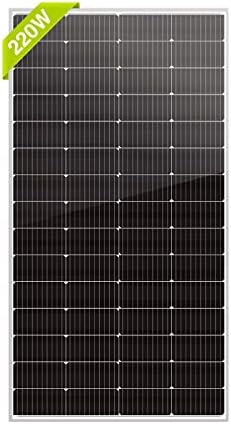
Monocrystalline solar panels are often touted as the luxury model of the solar world. Made from single-crystal silicon, these panels are known for their sleek, black appearance and high efficiency.
**Pros:**
1. **High Efficiency**: Monocrystalline panels generally have the highest efficiency rates, often exceeding 20%, which means they can produce more power in less space. This is ideal for those limited on roof space.
2. **Longevity**: These panels come with excellent warranties, often up to 25 years, thanks to their sturdy build and durability. Long-term investment pays off here.
3. **Performance in Low Light**: Monocrystalline panels perform better in low-light conditions compared to their counterparts. This means they can optimally harness that soft morning sunlight or cloudy days.
**Cons:**
1. **Cost**: The major downside is the price tag. These panels are typically more expensive than polycrystalline or thin-film options, which might deter budget-conscious consumers.
2. **Temperature Sensitivity**: The efficiency of monocrystalline panels can dip in extremely high temperatures, which might require additional cooling methods, especially in scorching climates.
#### Polycrystalline Solar Panels
Polycrystalline panels are easily recognizable by their bluish hue and speckled appearance. They are made from multiple silicon crystals melted together, which gives them a unique aesthetic and operational characteristics.
**Pros:**
1. **Budget-Friendly**: Generally, polycrystalline panels come at a lower cost than monocrystalline options. If you’re working with a tighter budget but still want to harness solar power, this is a solid choice.
2. **Lower Waste**: The manufacturing process for polycrystalline panels generates less silicon waste compared to monocrystalline panels, making it a somewhat eco-friendlier option.
3. **Durability**: While not as efficient as monocrystalline, polycrystalline panels still hold their own, often lasting as long as 25 years and surviving extreme weather conditions.
**Cons:**
1. **Lower Efficiency**: Typically, their efficiency rates hover between 15% to 20%, which means you may need more panels to achieve the same energy output as monocrystalline.
2. **Space Requirements**: Given their lower efficiency, polycrystalline panels require more roof space to generate the same amount of power, which may not be feasible for everyone.
#### Thin-Film Solar Panels
Thin-film panels are the underdog of the solar panel world. Constructed using layers of photovoltaic material, they’re lightweight and flexible, making them a versatile choice for a variety of applications.
**Pros:**
1. **Lightweight**: Ideal for unconventional installations, thin-film panels can be mounted on various surfaces, including curved ones, and require less structural support.
2. **Flexibility**: They can be integrated into building materials, such as solar shingles, which is perfect for homeowners looking to marry aesthetics with efficiency.
3. **Performance in High Temperatures**: Thin-film panels tend to perform better than monocrystalline panels in high-temperature environments, making them a great choice for residents in hotter climates.
**Cons:**
1. **Lower Efficiency**: Efficiency rates for thin-film panels typically range from around 10% to 12%, requiring significantly larger areas to produce comparable energy.
2. **Shorter Lifespan**: These panels often come with shorter warranties and lifespans, usually around 10 to 20 years, leading to potential future replacement costs.
#### Key Comparisons
Now that we’ve broken down the core features of each type, let’s engage in a quick comparison to visualize the differences better:
| Feature | Monocrystalline | Polycrystalline | Thin-Film |
|———————-|——————–|———————|———————|
| Efficiency | 15% – 22% | 15% – 20% | 10% – 12% |
| Lifespan | 25+ years | 25 years | 10 – 20 years |
| Cost | High | Moderate | Low |
| Ideal Space | Limited | Extensive | Versatile |
| Temperature Tolerance | Moderate | Moderate | Excellent |
#### Choosing Your Panel: What Works for You
Well, now you might be wondering, **which panel is right for you?** The answer often hinges on several factors:
1. **Available Space**: How much space do you have for solar panels? If you have limited roof space, monocrystalline panels may be the best way to achieve maximum efficiency.
2. **Budget Considerations**: If you’re on a shoestring budget, polycrystalline or thin-film options may offer the best returns while still providing solar energy.
3. **Climate**: Consider your local temperatures and sunlight availability. If you live in a sun-drenched area, thin-film panels might benefit you, whereas if your region experiences overcast skies, monocrystalline panels would be excellent for optimizing sunlight capture.
4. **Aesthetic Preferences**: For some homeowners, how a solar panel looks can be a dealbreaker. Monocrystalline panels are sleek and modern, while polycrystalline panels have a more rugged look. Thin-film panels are versatile in their applications, fitting into a variety of designs.
#### Pro Tips for Solar Panel Success
To wrap things up and help you get the most out of your solar power experience, here are some essential pro tips:
– **Do Your Research**: Don’t just rely on what this article says. Dive deeper into comparisons, reviews, and experiences from your local community.
– **Get a Professional Assessment**: Consult with a solar energy expert to analyze your specific situation. A tailored solution can save you money in the long run.
– **Consider Your Energy Needs**: Assess average energy usage and determine the right number of panels needed. This will clarify whether to go for high-efficiency panels or more budget-friendly alternatives.
– **Explore Incentives**: Look into local, state, and federal incentives or tax credits designed to promote solar energy. This could significantly offset the initial installation costs.
– **Stay Updated**: Technology is always evolving. Keep an eye on advancements in solar technology, performance, and pricing to make sure you’re getting the best deal.
### Conclusion
The journey through the **Great Solar Panel Debate**—monocrystalline, polycrystalline, and thin-film—amps you up for a thoughtful decision on how best to harness the sun’s energy. Each type of solar panel comes with its distinct advantages and disadvantages, making the choice dependent on personal priorities, budget, and space availability. So grab hold of this knowledge and start your solar adventure today; embrace the sun, power your dreams, and enter a more sustainable future!