
# Which Solar Panel is Right for You? A Detailed Look at Your Options
Imagine this: it’s a beautiful sunny morning, and you wander outside with a mug of freshly brewed coffee in hand. The sun is shining, and you feel an invigorating breeze as you bask in the glow of your off-grid paradise—completely powered by solar energy. This blissful scene is made possible by carefully choosing the right solar panels to meet your needs. In this detailed guide, we’ll explore the various types of solar panels available, helping you pick the best option for your lifestyle.
## Understanding Solar Panel Basics
Before diving into the available options, it’s essential to understand how solar panels work. At their core, they convert sunlight into electricity using photovoltaic cells. When sunlight hits these cells, it excites electrons, generating electric current. This electricity can then be used to power your home, charge devices, or run appliances.
Solar panels come primarily in three types: monocrystalline, polycrystalline, and thin-film. Each type has distinct characteristics, making them suited for different situations. Let’s take a closer look!
### 1. Monocrystalline Solar Panels
**Overview**
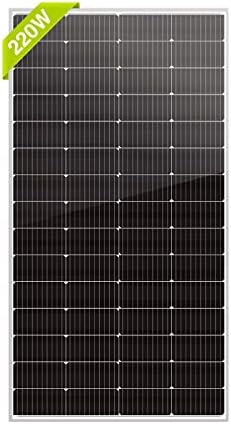
Monocrystalline panels are made from a single crystal structure, resulting in a uniform appearance and high efficiency. These panels are typically the most efficient on the market today, often reaching efficiencies of 15-20% or more.
**Pros**
– **High Efficiency:** Excellent for areas with limited space since they produce more power per square foot.
– **Longevity:** Generally come with longer warranties (25 years or more) due to their robust manufacturing process.
– **Aesthetic Appeal:** Their uniform dark color and sleek design can enhance a property’s look.
**Cons**
– **Cost:** They are generally more expensive upfront compared to other options.
– **Performance in Heat:** While they perform well in low-light conditions, their efficiency can decrease in high temperatures.
### 2. Polycrystalline Solar Panels
**Overview**
Polycrystalline panels are made from multiple crystal structures, which gives them a speckled blue appearance. While they are slightly less efficient than their monocrystalline counterparts, they offer a budget-friendly option for many homeowners.
**Pros**
– **Lower Cost:** Usually cheaper than monocrystalline panels, making them a great option for those on a budget.
– **Satisfactory Performance:** While slightly less efficient, they assert reasonable energy yields in various conditions.
**Cons**
– **Lower Efficiency:** They typically range between 13-16% efficiency, requiring more space for the same energy output.
– **Aesthetic Considerations:** Some may find their appearance less appealing than monocrystalline panels.
### 3. Thin-Film Solar Panels
**Overview**
Thin-film panels are made by layering photovoltaic material onto a substrate. They are lightweight and flexible, making them unique and versatile.
**Pros**
– **High Flexibility:** Can be installed on uneven surfaces and integrated into various applications (like building-integrated photovoltaics).
– **Performance in Heat:** Perform better in high temperatures and low-light conditions than crystalline panels.
**Cons**
– **Lower Efficiency:** Typically, they have the lowest efficiency levels (10-12%), meaning more space is needed for equivalent power output.
– **Shorter Lifespan:** Generally come with shorter warranties, around 10-15 years.
### Your Energy Needs: Assessing Your Requirements
Before making a decision, it’s critical to assess your energy needs. Here’s how to do it:
– **Energy Consumption Audit:** Analyze your monthly energy bills to get an average. Identify peak consumption periods and which appliances draw the most power.
– **Future Growth:** Consider your future energy needs if you plan to expand or invest in energy-consuming devices.
– **Solar Exposure:** Evaluate the sun exposure in your area. Do you have a roof that faces south, or are there significant obstructions like trees or buildings?
### Choosing the Right Solar Panel Based on Your Needs
Here are some key factors that can help you choose the right solar panel:
#### 1. Space Availability
If you have limited roof space, monocrystalline panels may be your best choice because of their high efficiency. In contrast, if you have plenty of space, polycrystalline panels or thin-film options may suit your needs well.
#### 2. Budget Constraints
If budget is a concern, polycrystalline solar panels offer a cost-effective solution without compromising too much on efficiency. While they may not produce energy as efficiently as monocrystalline, they still provide adequate power for many households.
#### 3. Aesthetics
The aesthetics of your solar panels can significantly affect your property’s overall look. If appearance is important, consider monocrystalline panels for their sleek and uniform look.
#### 4. Geographic Considerations
In regions with high temperatures, thin-film panels may outperform monocrystalline and polycrystalline options. Be sure to research your local climate to make an informed choice.
#### 5. Installation Considerations
Solar panel installation can vary in complexity depending on your chosen type. Monocrystalline panels may require more skill due to their weight and size, while thin-film options can be simpler to install given their lightweight nature.
### Pro Tips for Solar Panel Selection
– **Research and Compare:** Don’t settle for the first option you see. Research various manufacturers and compare their products.
– **Utilize Energy Storage:** Consider integrating energy storage solutions, like batteries, to maximize the benefits of your solar panel system.
– **Consult a Professional:** Don’t hesitate to reach out to local solar companies for evaluations and advice tailored to your specific needs.
– **Check Incentives:** Look into local or state incentives for solar installation that may aid in lowering overall costs.
– **Prioritize Durability:** Investing in more durable panels may save you money on replacements and maintenance in the long run.
### Maintenance and Lifespan
Regardless of the type of solar panel you choose, remember that regular maintenance is key to maximizing efficiency. Clean panels regularly (usually recommended once a year) to ensure dirt and debris don’t obstruct sunlight. Most panels require minimal maintenance, but it’s wise to occasionally inspect for any visible signs of damage.
### Final Thoughts
Choosing the right solar panel for your needs lays the foundation for a successful journey toward energy independence. Whether you opt for efficient monocrystalline panels, cost-effective polycrystalline panels, or flexible thin-film solutions, selecting the correct type will ensure you can harness the sun’s power to its fullest potential.
Ultimately, your choice will depend on balancing performance, budget, aesthetics, and your unique energy requirements—allowing you to bask in that beautiful morning sun with both your coffee and conscience fueled by clean energy!
By conducting thorough research and understanding your options, you’ll be well on your way to creating your slice of off-grid paradise, all while making a positive impact on the environment. Happy solar hunting!