
# Panel Power: Comparing Efficiency, Cost, and Lifespan of Solar Technologies
There I was, standing on my plot of land away from the hustle and bustle, giddy like a kid on Christmas morning as the sun broke through the clouds. I tilted my head back, feeling the warmth of the sun on my face, and marveled at the solar panels that were shining brightly on my roof. The thrill came not just from harnessing the sun’s power but also from knowing I was taking control of my energy needs. The decision to go solar involved many factors—efficiency, cost, lifespan—but it transformed my relationship with energy entirely. In this article, we’ll break down these solar technologies, arming you with the knowledge you need to embark on your own solar adventure.
## Understanding Solar Technologies
When diving into solar power, the key technologies to explore are **Monocrystalline**, **Polycrystalline**, and **Thin-Film solar panels**. Each type comes with its own set of efficiencies, costs, and lifespans. Let’s get the lowdown on what sets them apart.
### 1. Monocrystalline Solar Panels
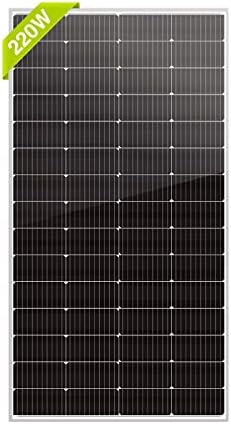
**Efficiency**: Monocrystalline panels are the rock stars of solar efficiency. With an impressive efficiency range between 15% to 22%, they convert more sunlight into electricity than any other type.
**Cost**: This performance comes at a price. Monocrystalline panels generally run higher than other options, typically ranging from $1 to $3 per watt. While the initial investment is more significant, consider that their longevity and efficiency might save you money in the long run.
**Lifespan**: These panels are the long-lasting champions, commonly lasting 25 years or more, with warranties sometimes stretching up to 30 years. If you’re looking for durability in your investment, these might just be your best bet.
### 2. Polycrystalline Solar Panels
**Efficiency**: Slightly less efficient than their monocrystalline cousins, polycrystalline panels range from 15% to 20% efficiency. They’re still quite effective, but if space is at a premium, you might need more panels to achieve your energy goals.
**Cost**: The cost is more approachable, typically between $0.90 and $1.50 per watt. They offer a balanced option for those looking to dip their toes into solar energy without going into debt.
**Lifespan**: Polycrystalline panels are robust too, generally lasting 20 to 25 years. Their slightly shorter lifespan compared to monocrystalline panels may be a trade-off for lower upfront costs.
### 3. Thin-Film Solar Panels
**Efficiency**: If you’re short on space, the lower efficiency of thin-film panels—about 10% to 12%—may deter you. However, their flexibility allows for creative applications in areas where traditional panels just won’t fit.
**Cost**: Thin-film panels come in at about $0.50 to $1 per watt, making them the most budget-friendly option. The lower costs are attractive, especially for larger installations needing flexibility.
**Lifespan**: These panels usually come with a shorter lifespan of about 10 to 20 years. While they can be less durable over the long haul, they do offer unique advantages in specific applications.
### Comparing the Three
Now, let’s break down the pros and cons in an easy-to-digest format.
| Technology | Efficiency (Range) | Cost (Per Watt) | Lifespan |
|———————–|———————|———————|——————|
| Monocrystalline | 15% – 22% | $1 – $3 | 25+ Years |
| Polycrystalline | 15% – 20% | $0.90 – $1.50 | 20 – 25 Years |
| Thin-Film | 10% – 12% | $0.50 – $1 | 10 – 20 Years |
### Making the Right Choice
So, which solar technology is right for you? It all boils down to a few pivotal factors:
1. **Available Space**: If space is limited but you still want maximum output, go for monocrystalline panels. If you have ample space, poly or thin-film options may suffice.
2. **Budget**: If upfront cost is your primary concern, thin-film might be the way to go. However, consider the hidden costs of replacement and inefficiencies down the road.
3. **Aesthetic Preferences**: Monocrystalline panels often have a sleek, black appearance that some homeowners find more appealing. On the other hand, polycrystalline panels tend to have a bluish hue, which can look less polished.
4. **Location**: Geographic location and climate can play significant roles in determining how much energy you can realistically expect from your solar panels. For instance, places with more cloudy days may benefit more from the efficiency of monocrystalline panels.
5. **Incentives and Rebates**: Check to see if your local government or utility company offers incentives for certain types of solar installations. These can help offset initial costs and influence your choice.
## Pro Tips for Solar Success
While diving into the world of solar, consider these pro tips to make the most out of your solar power journey:
1. **Prioritize Solar Orientation**: Aim for the best solar exposure by aligning your panels southward (in the Northern Hemisphere) for maximum sun capture.
2. **Regular Maintenance**: Keep your panels clean from debris and dirt to ensure maximum efficiency. A simple wash a couple of times a year can keep them shining bright.
3. **Monitor Performance**: Use apps or digital tools to monitor your energy savings and panel productivity. If performance dips, you can address the issue rapidly.
4. **Storage Solutions**: For optimal off-grid living, consider investing in solar battery storage. This way, you can store excess energy for use during cloudy days or nighttime, maximizing your solar investment.
5. **Quality over Quantity**: Sometimes, it’s better to go for fewer high-quality panels than a larger number of less efficient ones. Be sure to evaluate total system efficiency.
## Long-Term Outlook
The solar market is evolving rapidly, with new technologies on the horizon that promise even greater efficiency and reduced costs. As a consumer, understanding the options available today can help you make an informed decision for your energy future.
### Conclusion
The excitement of harnessing solar energy is not just about improving your power bills; it’s about empowering your life. Each solar technology offers various benefits, drawbacks, and opportunities to meet your unique needs. As you embark on your solar journey, remember to weigh efficiency, cost, and lifespan carefully. By understanding the ins and outs of solar technologies, you’re well on your way to making a shining investment in your sustainable future!
Be sure to stay informed about the latest advancements, as the solar industry continues to innovate and improve. Happy sun-gathering!