
# Harnessing the Sun: Your Ultimate Guide to Off-Grid Solar Systems
Imagine waking up to the gentle warmth of sunlight pouring through your window, the sound of rustling leaves outside, and the smell of fresh coffee brewing—without the hum of a nearby power line or the flicker of a city light. Living off the grid is about independence, a connection to nature, and the freedom that comes from harnessing renewable resources. One of the most transformative aspects of this lifestyle is setting up an off-grid solar system, which not only powers your home but allows you to take control of your energy footprint.
In this guide, we’ll explore everything you need to know about off-grid solar systems, from understanding the basics to practical implementation tips, making it easier for you to embrace the sun’s energy and thrive in your off-grid journey.
## What Is an Off-Grid Solar System?
An off-grid solar system is designed to provide power independently of the traditional electric grid. This means that your power source relies solely on solar energy, generated by photovoltaic (PV) panels, which convert sunlight into electricity. In essence, you’re becoming your own utility company—how empowering is that?
### Key Components of an Off-Grid Solar System
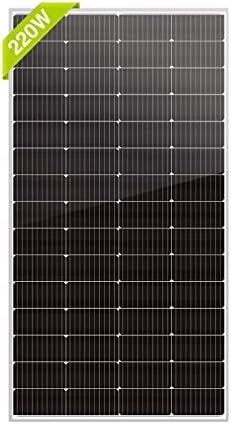
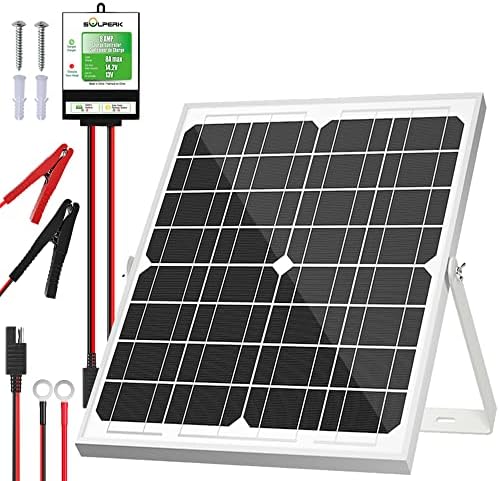
1. **Solar Panels**: The heart of your system, these panels capture sunlight and convert it into electricity. Available in various sizes and types, they range from monocrystalline to polycrystalline, each with its pros and cons.
2. **Inverter**: This device converts the direct current (DC) generated by the solar panels into alternating current (AC), which is what most household appliances use.
3. **Batteries**: Since the sun doesn’t shine 24/7, batteries store excess energy generated during the day for use at night or on cloudy days.
4. **Charge Controller**: This component regulates the voltage and current coming from the solar panels to the batteries, preventing overcharging and ensuring a longer lifespan for your batteries.
5. **Mounting Hardware**: Proper installation is key! You’ll need mounts or racks to position your solar panels at the right angle for optimal sun exposure.
## Benefits of Going Off-Grid with Solar Energy
Transitioning to an off-grid solar system carries numerous benefits, making it an attractive option for those venturing into self-sufficiency.
– **Energy Independence**: No longer rely on fluctuating energy prices or utility companies. With your solar system, you control your energy supply.
– **Environmental Impact**: Solar energy is a renewable resource, helping reduce your carbon footprint and contributing to a greener planet.
– **Cost Savings**: Although initial setup costs can be substantial, the long-term savings on electricity bills can be significant. Many off-grid enthusiasts soon find that their energy costs drop dramatically.
– **Resilience Against Emergencies**: In cases of natural disasters or power outages, a solar system coupled with adequate battery storage can keep your essential devices alive.
## Planning Your Off-Grid Solar System
### Assess Your Energy Needs
Before diving into solar panel shopping, it’s vital to determine your energy needs. Start by listing all the electrical appliances and devices you plan to use, and calculate their wattage and daily use in hours. This will help you establish a rough estimate of your total daily energy consumption.
For example:
– Refrigerator: 200 watts for 24 hours = 4800 watt-hours
– Laptop: 50 watts for 8 hours = 400 watt-hours
– LED Lights: 10 watts for 5 hours = 50 watt-hours
After collecting this data, total your daily energy requirements and consider adding a safety margin (typically around 20%) to account for inefficiencies.
### Choosing the Right Solar Panels
With your energy needs in mind, it’s time to select the solar panels. Most off-grid solar systems utilize either monocrystalline or polycrystalline panels:
– **Monocrystalline Panels**: Known for their high efficiency and longevity, these panels take up less space. They perform better in low-light conditions, making them ideal if you have limited roof space.
– **Polycrystalline Panels**: Generally more cost-effective, but they are slightly less efficient and require more space. Ideal for larger installations where space isn’t a huge constraint.
### Selecting Your Inverter and Batteries
Choose an inverter based on your peak power needs. If you plan to use multiple high-wattage devices simultaneously, opt for a pure sine wave inverter.
When selecting batteries, consider deep-cycle options that are compatible with solar systems, such as lead-acid or lithium-ion batteries. Lithium-ion batteries tend to have a longer life cycle and require less maintenance, but they come at a higher upfront cost.
### Design Considerations
– **Tilt and Orientation**: Properly positioning your solar panels is crucial. Ideally, they should face south (in the Northern Hemisphere) and be tilted at an angle close to your latitude for optimal sun exposure.
– **Shading**: Ensure that trees, buildings, or other obstructions don’t cast shadows on your panels during peak sunlight hours.
## Installation Tips
While some enthusiasts might opt for DIY installations, hiring professionals can ensure a safe and efficient setup. Here are a few installation tips to complement your efforts:
– **Follow Local Regulations**: Before installing, check your local building codes and zoning regulations to comply with necessary permits.
– **Use Quality Hardware**: Invest in durable mounting hardware to withstand unfavorable weather conditions.
– **Maintain Accessibility**: Arrange your panels in a manner that makes future maintenance easy. Regular cleaning and checks are essential, especially in dusty or snowy environments.
## Pro Tips for Off-Grid Solar Success
1. **Invest in Monitoring Tools**: Keep track of your energy production and consumption. Smart monitors can help you understand usage patterns and save on your energy costs.
2. **Diversify Power Sources**: Consider supplementing your solar system with wind energy or a small hydro system if you have access to flowing water.
3. **Stay Flexible**: Your energy needs may change as your lifestyle evolves. Make provisions for easy expansion of your system.
4. **Practice Energy Conservation**: Train yourself to use energy-efficient appliances, switch to LED lighting, and be conscious of your consumption habits to minimize your energy needs.
5. **Educate Yourself**: The world of solar technology is ever-evolving. Stay informed about new products and innovations to enhance your system.
## Conclusion
Harnessing the power of the sun through an off-grid solar system is not just about energy independence; it’s a lifestyle choice that aligns with eco-friendly principles and self-sufficiency. With the right preparation, knowledge, and resources, you can enjoy a sustainable, off-grid lifestyle powered by renewable energy.
Embrace the sunshine and take the first step toward on-demand energy independence. Future you will thank you for creating a haven that is not only efficient but in harmony with the environment. Start planning today, and watch your dreams of off-grid living come to life!