
# Unlocking the Bounty: Discover the Vibrant Benefits of Sustainable Farming
Imagine waking up to the sound of birds singing, with the sun peeking through your kitchen window, and the smell of fresh soil greeting you as you step outside. On a tranquil morning like this, with the dew still lingering on your garden beds, it’s hard not to feel immense gratitude for the land and its offerings. Cooking up a hearty breakfast, filled with fresh produce that you’ve nurtured from seed to plate, is truly the pinnacle of satisfaction. Welcome to the world of sustainable farming—where the benefits run deep, much like the roots of your beloved vegetables.
## The Sustainable Farming Renaissance
Sustainable farming isn’t just a trend; it’s a way of life that harmonizes with nature. As traditional farming practices face the challenge of climate change, resource depletion, and declining biodiversity, sustainable farming offers a solution that can help restore balance to our ecosystems. With its focus on regenerative practices, organic growing, and local food systems, sustainable agriculture paves the way for a healthier planet and a brighter future.
### Healthier, Nutrient-Rich Food
One of the biggest advantages of sustainable farming is the focus on producing food that’s not just edible but nutritional powerhouses. Unlike food grown using industrial methods, sustainably farmed produce is often richer in vitamins, minerals, and antioxidants. Organic practices create healthier soil, which in turn fosters healthier plants. And the result? Crisp, vibrant, and nutrient-dense fruits and vegetables that contribute to your overall well-being.
It’s no secret that what we eat affects how we feel. By opting for sustainably grown food, you’re not just nourishing your body, but also supporting agricultural practices that nourish the earth. Furthermore, reducing reliance on synthetic fertilizers and pesticides means healthier ecosystems and cleaner water sources for everyone.
### Supporting Biodiversity
In our quest for food production, we often overlook the importance of biodiversity. Sustainable farming encourages diverse cropping systems, which can combat pests, reduce diseases, and produce more resilient crops. By planting a variety of species, farmers can create ecosystems that support beneficial insects, birds, and other wildlife.
Diversity is nature’s way of ensuring a thriving environment. When you plant a mix of edible crops, flowers, and cover crops, you’re encouraging a vivacious tapestry of life right in your backyard. Not to mention, different plants can help one another grow, creating a symbiotic relationship that enhances productivity.
### Environmental Stewardship
Sustainable farming practices emphasize responsible land use and conservation techniques. By incorporating methods such as rotation, cover cropping, and reduced tillage, sustainable farmers improve soil health while minimizing erosion and water loss. Utilizing rainwater harvesting systems, composting, and natural pest control are also prevalent in sustainable farming.
These practices not only protect our precious resources but also aid in fighting climate change by sequestering carbon in the soil. The more organic matter in our soils, the more carbon gets stored—helping to mitigate the impact of our greenhouse gas emissions.
### Local Economies Flourish
Sustainable farming encourages the support of local economies. By sourcing food locally, families can enjoy fresher produce, while farmers benefit from increased sales. Local farmers’ markets create vibrant community atmospheres where relationships are built between consumers and producers.
Supporting local farmers also means embracing seasonal eating. With sustainable farming, you’ll learn to appreciate the rhythm of nature and enjoy the freshest produce at its peak ripeness. Plus, it’s a great way to encourage community resilience by reducing dependence on long supply chains that can falter.
### Connection to Nature
One of the most rewarding aspects of sustainable farming is the deep connection it cultivates between people and nature. Whether it’s getting your hands dirty while planting seeds, enjoying the beauty of a sunset over your crops, or witnessing the thrill of a bountiful harvest, there’s something magical about tending to the earth.
Gardening and farming create a meditative space where you can disconnect from the chaos of modern life. This mental rejuvenation fosters emotional resilience—encouraging a healthier mindset and lifestyle.
### Pro Tips for Embracing Sustainable Farming
If you’re ready to explore sustainable farming, here are some pro tips to get you started:
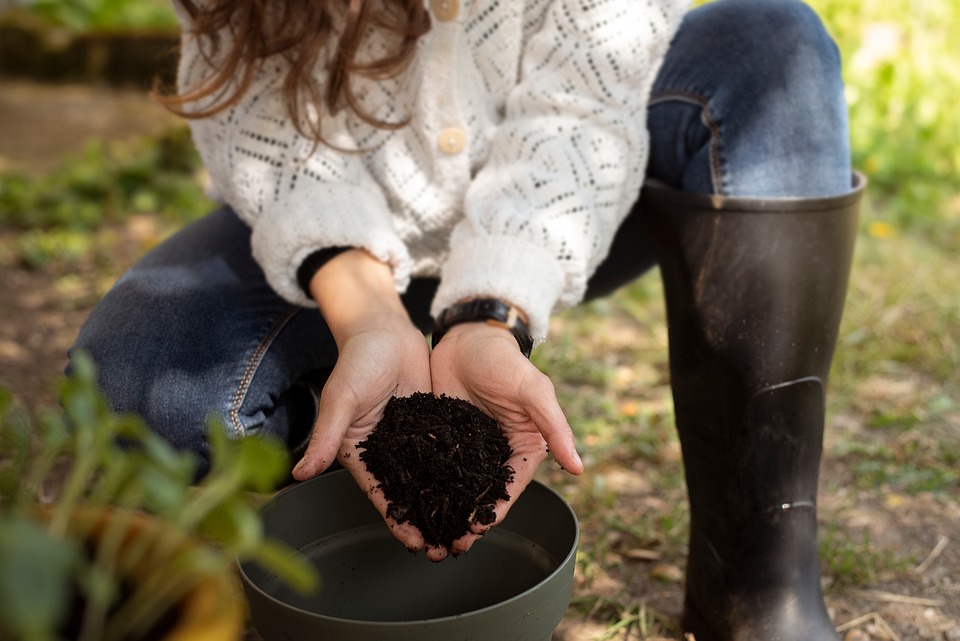
1. **Start with Healthy Soil**: Invest time in building your soil health. Utilize compost, worm castings, and organic matter to enhance nutrient levels and structure.
2. **Learn to Grow Seasonally**: Familiarize yourself with the growing seasons in your region, and plant crops that thrive in these conditions to maximize success.
3. **Introduce Companion Planting**: Pair plants that benefit each other. For example, basil helps repel pests from tomatoes while enhancing their flavor.
4. **Implement Water Conservation Techniques**: Use rain barrels, drip irrigation systems, and mulch to retain soil moisture and reduce water usage.
5. **Embrace the Power of Native Plants**: Incorporating native species not only supports local wildlife but also requires less water and care since they’re adapted to your environment.
6. **Observe and Adapt**: Spend time in your garden observing the behaviors of plants and wildlife. Nature often provides clues on what adjustments to make for optimal growth.
### Conclusion: The Seeds of Change
By embracing sustainable farming, we cultivate more than just food; we nurture a thriving ecosystem, a strong community, and a healthier planet. Each seed planted is not merely a food source but a commitment to the future. Imagine the ripple effect if each person took the plunge into sustainable practices—our environment rejuvenated, local economies blossoming, and communities flourishing.
As you embark on this journey, remember that every small action counts. Whether you’re gardening in a backyard or tending to a larger farm, your efforts contribute to a collective shift toward sustainability, enriching your life and the life of our planet. Let’s plant the seeds of change together, one garden at a time!