# Embracing Off-Grid Living: A Journey into Sustainable Farming and Gardening
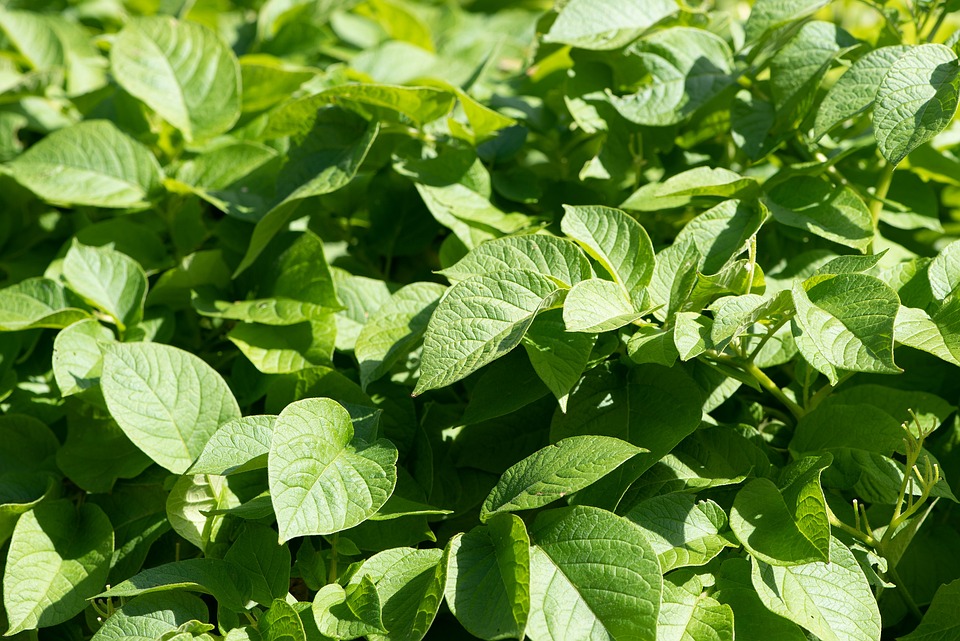
There’s a certain magic that unfolds when the sun rises over the horizon, droplets of dew sparkle on freshly nurtured leaves, and the sweet scent of earth fills the air. One early morning, while tending to my verdant garden bursting with vibrant vegetables, I realized that this was more than just a hobby; it was a lifestyle that resonated with my soul. Off-grid living combined with sustainable farming and gardening isn’t merely a way to grow food; it’s a holistic approach that nurtures the environment, connects us with nature, and offers a tangible sense of self-sufficiency. Today, let’s explore the joys, tips, and practical wisdom of living off the grid and cultivating a flourishing garden that can sustain you and the planet.
## Why Choose Off-Grid Sustainable Living?
Imagine a life unburdened by the constant hum of electricity and the pressures of urban existence. Off-grid living allows you to immerse yourself in nature’s rhythm, cultivating not just crops but also a sense of peace and purpose. It’s a lifestyle grounded in sustainability, encouraging a deep-rooted connection with the land.
Sustainable farming practices help revive ecosystems, promote biodiversity, and regenerate soil health. By growing your own food, you reduce carbon emissions linked to transportation and packaging, all while enjoying fresh, organic produce.
### The Basics of Off-Grid Gardening
#### 1. Understanding Your Land
The first step to any successful garden is knowing your land. Observe the sunlight, wind patterns, and drainage. Every plot of land has its unique character, and tapping into these natural resources is key to successful gardening.
– **Sunlight:** Different plants require varying amounts of sunlight. Map out sunny and shaded areas before making planting decisions.
– **Soil Quality:** Conduct a soil test to understand its pH and nutrient levels. Healthy soil is the foundation of a thriving garden.
#### 2. Choosing the Right Crops
Selecting the right crops is essential, especially when aiming for self-sustainability. Start with easy-to-grow vegetables like tomatoes, peppers, and leafy greens. As you gain experience, include perennial crops like asparagus and rhubarb that return year after year with minimal effort.
#### 3. Companion Planting
Embrace the art of companion planting—pairing plants that benefit each other. For instance, basil and tomatoes thrive together, repelling pests and enhancing flavors. This natural synergy makes your garden more resilient and productive.
### Embracing Permaculture Principles
Permaculture is more than just a gardening method; it’s a philosophy. It advocates for working *with* nature rather than against it. Here are some core principles:
– **Observe and Interact:** Spend time in your garden to understand its needs.
– **Use Renewable Resources:** Rainwater collection, solar energy, and composting are fantastic ways to harness nature’s offerings.
– **Design for Diversity:** Bring together a variety of plants that promote a balanced ecosystem.
### Pro Tips for Thriving Off-Grid Gardening
1. **Start Small:** Begin with a small plot, gradually expanding as you feel more confident.
2. **Compost:** Create a compost pile to recycle kitchen scraps and garden waste. This enriches your soil naturally.
3. **Utilize Raised Beds:** They enhance drainage, warm up faster in the spring, and allow for better soil control.
4. **Plan for Seasonality:** Understand your local climate and plant according to seasonal changes to maximize yield.
5. **Implement Crop Rotation:** This helps prevent soil depletion and reduces pest infestations.
### Sustainable Practices for Daily Living
Off-grid living promotes a holistic lifestyle, integrating sustainable practices into daily routines. Here are some ways to enhance your off-grid experience:
#### 1. Rainwater Harvesting
Setting up a rainwater collection system helps conserve water. It’s simple and cost-effective—just place barrels under your roof’s downspouts, and you’ll have a natural water source for your plants.
#### 2. Embrace Solar Power
Solar panels are an incredible investment, providing a renewable energy source to power lights, tools, and other necessities. An off-grid solar system allows you to harness energy directly from the sun, making you less reliant on modern utilities.
#### 3. Natural Pest Control
Gardening inherently invites pests, but by using natural methods like introducing beneficial insects or creating neem oil sprays, you can protect your garden without harmful chemicals. Healthy plants are often naturally resilient to pests.
### Foraging: A Key Element of Sustainability
In addition to growing your own food, foraging adds another layer of sustainability to your lifestyle. Many wild edible plants can enhance your meals, adding flavor and nutrition.
– **Wild Greens:** Dandelion and nettles are often seen as weeds but are packed with vitamins.
– **Fruits and Nuts:** Berry bushes and nut trees like walnuts abound in many areas—just be sure to identify them correctly!
Foraging encourages a deeper connection with your landscape and an appreciation for nature’s bounty.
### Building Community
Off-grid living is invigorated by community engagement. Share your experiences, tools, and even harvests with neighbors. Join local gardening clubs or off-grid cooperatives to exchange knowledge and resources, enhancing everyone’s sustainability efforts.
### Conclusion: The Joys of a Self-Sufficient Life
Living off-grid and embracing sustainable farming and gardening is a fulfilling endeavor. This lifestyle empowers individuals to become curators of their environment, advocates for ecological balance, and contributors to their communities.
Whether you’re a seasoned gardener or just starting out, remember that every seed sown nurtures a future that honors both your needs and the Earth’s. The experience of working with nature, feeling the soil between your fingers, and witnessing the fruits of your labor blossoming is nothing short of a gift.
As you dive into the world of sustainable gardening, remember: it’s not just about growing food. It’s about growing a connection to the earth, fostering relationships with your community, and cultivating a lifestyle filled with resilience, peace, and joy.
### Eco-Friendly Resources
1. **Books:** Check out “Gaia’s Garden” by Toby Hemenway for an introduction to permaculture principles.
2. **Online Courses:** Consider platforms like Coursera or Udemy for courses on sustainable gardening.
3. **Local Workshops:** Many communities offer free workshops on gardening and off-grid living; connect with local farmers for insights.
Happy gardening, and may your plants be plentiful and your spirit connected to the lush earth we share!