
### Solar Panel Face-Off: Weighing the Pros and Cons of Each Type
The sun poured through the trees, dappling the forest floor with golden light as I setup my solar panels for another off-grid adventure. The gentle hum of nature was a comforting backdrop to my small campsite, where the only distractions were the chirping birds and a nearby bubbling brook. Harnessing the power of sunlight felt like a superpower; I had the ability to generate my own electricity and enjoy the comforts of life in the wild simultaneously. But as I experimented with different types of solar panels to ensure my setup was as efficient as could be, a question lingered in my mind: “Which type of solar panel is truly the best?” Well, if you’re thinking about diving into the world of solar energy, you are in for a treat. Let’s weigh the pros and cons of various types of solar panels, so you can find the perfect fit for your needs.
#### Understanding Solar Panel Types
Before we get into the nitty-gritty, it’s important to understand the three main types of solar panels available:
1. **Monocrystalline Solar Panels**
2. **Polycrystalline Solar Panels**
3. **Thin-Film Solar Panels**
Each type comes with its own set of benefits and drawbacks, depending on your location, budget, and energy needs.
—
### Monocrystalline Solar Panels: The Powerhouse of Efficiency
**Overview:**
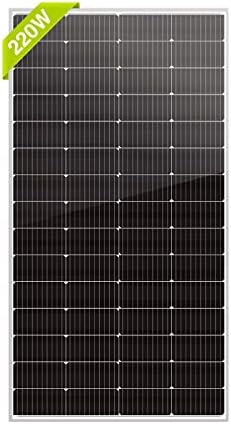
Monocrystalline panels are made from a single crystal structure, which allows for optimal efficiency and performance. Typically recognized by their dark blue or black color, these panels are often considered the Ferrari of solar panels — sleek, effective, and a bit more expensive.
**Pros:**
– **High Efficiency:** With an efficiency rating of up to 22%, monocrystalline panels provide more electricity per square foot, making them ideal for small spaces.
– **Longevity:** These panels are often backed by warranties of 25 years or more, indicating their durability.
– **Space-Efficient:** If you have limited roof space, these panels maximize output, providing more power without taking over your entire roof.
**Cons:**
– **Cost:** The initial investment is higher compared to other types of solar panels.
– **Heat Sensitivity:** While they are efficient, they tend to lose efficiency in extreme heat.
### Polycrystalline Solar Panels: The Cost-Effective Option
**Overview:**
Polycrystalline panels are made by melting multiple silicon crystals together. They have a bluish hue and are typically less efficient than their monocrystalline counterparts, but they are more budget-friendly.
**Pros:**
– **Lower Cost:** Generally less expensive than monocrystalline panels, making them appealing for those on a budget.
– **Good for Moderate Conditions:** While slightly less efficient overall, they perform adequately in moderate climates.
**Cons:**
– **Lower Efficiency:** Typically, you’ll get an efficiency of around 15-17%, meaning you may need more panels to generate the same wattage.
– **Larger Space Requirement:** They require more installation space, which can be an issue if your roof space is limited.
### Thin-Film Solar Panels: The Versatile Option
**Overview:**
Thin-film solar panels are made from a variety of materials — including cadmium telluride and amorphous silicon. They are lightweight and flexible, making them great for unconventional installations.
**Pros:**
– **Lightweight and Flexible:** Perfect for applications where weight is a concern, such as RVs or mobile setups.
– **Performance Under Shade:** Thin-film panels are particularly effective in partial shade conditions.
– **Lower Production Cost:** Manufacturing is generally cheaper than crystalline panels, which can be passed on to consumers.
**Cons:**
– **Lower Efficiency:** Typically ranges from 10-12%, meaning you’ll need a larger area to install them for the same output.
– **Shorter Lifespan:** Warranty periods typically run smaller than those for crystalline panels, often ranging from 10 to 15 years.
—
### Making Your Decision: Factors to Consider
Now that we’ve walked through the pros and cons of each type, let’s delve into what factors you should consider when making your decision:
1. **Budget:** How much are you willing to invest? If upfront cost is paramount, polycrystalline or thin-film might be your best bet. For long-term returns, consider monocrystalline.
2. **Space Available:** Assess how much space you have for installation. If your roof space is limited, opt for monocrystalline panels to maximize energy output.
3. **Energy Needs:** Calculate how much energy you typically use. If you have high energy needs, high-efficiency panels can help you reduce your footprint.
4. **Climate and Environment:** Your local weather can heavily influence panel performance. For instance, if you live in a shaded area, thin-film could be your smart choice.
5. **Aesthetics:** Don’t underestimate the visual appeal. Some homeowners prefer the sleek look of monocrystalline panels, while others might settle for the cheaper options.
—
### Pro Tips for Choosing Solar Panels
– **Research Local Incentives:** Many states and local governments offer incentives that can reduce the cost of solar panels. Check for rebates or tax credits.
– **Seek Professional Assessment:** Consulting with a solar panel expert can tailor your choice to your specific energy needs and local conditions.
– **Look for Quality Over Price:** While it’s tempting to go for the cheapest option, prioritize panels with excellent warranties and efficiency ratings.
– **Consider DIY Installation:** If you’re handy, certain panels permit DIY setups, cutting labor costs significantly. Just ensure you’re adhering to local codes and regulations.
– **Keep Maintenance in Mind:** Although solar panels require minimal maintenance, consider ease of cleaning when making your selection, especially if you live in an area with high dust or debris.
—
### Conclusion: Finding Your Perfect Match
The quest for the perfect solar panel ultimately hinges on your personal needs, budget, and environmental factors. Each panel type has its own strengths and weaknesses, making it imperative to weigh your options carefully.
Whether you’re a budget-conscious homeowner looking to lower those energy bills, a hunter of sustainability, or a free spirit camping under the stars, understanding the ins and outs of each solar panel type will help you make an informed choice. So, embrace the sun’s energy, make a big splash with your solar setup, and revel in the comfort of knowing you’ve chosen the right panels for your lifestyle.
Let your solar journey begin, and may your panels shine brightly, providing green energy for years to come!