
# Harnessing the Sun: How Solar Panels Are Shaping Our Future
Waking up to the gentle sounds of chirping birds and the warm rays of sunlight streaming through the window is a daily blessing for anyone living off the grid. But for me, it’s not just a morning ritual—I can feel the energy of the sun working its magic, powering my home and connecting me to a sustainable future. I remember the first time I watched my solar panels convert sunlight into electricity. It felt like witnessing a modern miracle! With the soft hum of my battery system filling the air, I knew I was participating in a powerful shift toward a more sustainable and self-sufficient lifestyle. Let’s dive into how solar panels are not only brightening individual lives but also paving the way for a cleaner future.
## The Solar Revolution
The world is currently experiencing a solar revolution—a transformation in how we harness energy. With the growing demand for sustainable solutions to combat climate change and a reliance on fossil fuels, solar energy has emerged as a shining alternative. The technology has evolved dramatically over the years, making it more accessible and affordable for homeowners and businesses alike.
### Solar Panels 101: The Basics
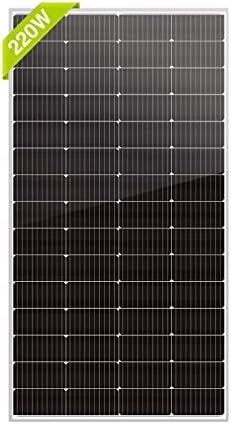
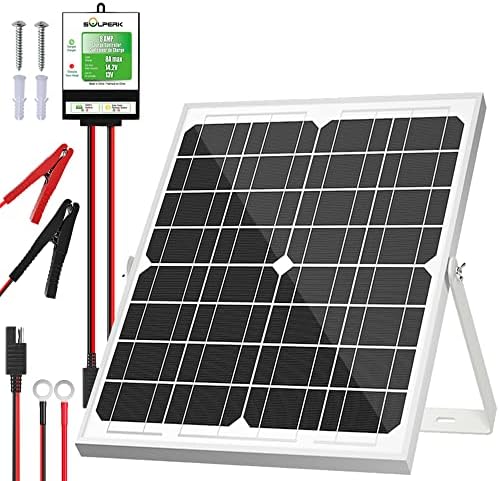
So, what are solar panels, and how do they work? At their core, solar panels consist of photovoltaic cells that convert sunlight into electricity. When sunlight hits these cells, it induces an electric current, which can be used to power your home or feed back into the grid. The two main types of solar panels are:
– **Monocrystalline:** Known for their high efficiency and sleek appearance, these panels are made from single crystals of silicon. They take up less space and are a great option for homes with limited roof space.
– **Polycrystalline:** These are slightly less efficient but tend to be more affordable. They are made from multiple silicon crystals, creating a speckled blue appearance.
Both types have their advantages, and choosing between them depends largely on your personal energy needs and budget.
### Environmental Impact
Harnessing solar power doesn’t just benefit your pocket; it’s a game-changer for the planet. Solar energy is renewable, reducing our reliance on depleting fossil fuels. By embracing solar panels, we significantly cut down on greenhouse gas emissions. According to the U.S. Department of Energy, a typical residential solar panel system can offset about 100 tons of carbon dioxide over its lifetime. That’s equivalent to planting over 2,600 trees!
### Return on Investment: Saving Money and Energy
While the initial investment in solar panels can seem daunting, the long-term savings are impressive. In many regions, solar energy can drastically reduce or even eliminate electricity bills. Depending on local incentives, tax credits, and net metering programs, homeowners can see their investments pay off in as little as five to seven years.
Additionally, solar panels can increase your home’s resale value. Potential buyers are often willing to pay a premium for homes equipped with renewable energy solutions. This makes solar panels not just an investment in sustainable living but also a savvy financial choice.
## The Future of Solar: Trends and Innovations
As technology progresses, so does the potential of solar energy. Here are some exciting trends shaping the solar landscape:
– **Bifacial Solar Panels:** These innovative panels capture sunlight from both sides, increasing their efficiency. They can generate up to 30% more energy than traditional solar panels.
– **Solar Roofs:** Combining aesthetics with functionality, solar roof tiles are designed to blend seamlessly with traditional roofing materials. They allow homeowners to harness the sun while maintaining their home’s curb appeal.
– **Solar Batteries:** The development of home battery systems, like the Tesla Powerwall, allows homeowners to store excess solar energy for use during the night or cloudy days. This enhances energy independence and increases resilience to power outages.
– **Community Solar Projects:** For those who may not have the ability to install solar panels, community solar farms provide access to renewable energy. Residents can buy into these projects, reaping the benefits of solar energy without the need to install panels on their own roofs.
## Pro Tips for Going Solar
Before you dive headfirst into solar energy, here are some pro tips to ensure you get the most out of your investment:
1. **Assess Your Energy Needs**: Analyze your energy consumption patterns. Consider factors like household size, daily activities, and energy-hungry appliances to determine the right solar system size for your needs.
2. **Explore Incentives**: Look into federal, state, and local incentives that can help offset installation costs. Tax credits, rebates, and grants can significantly lower your upfront investment.
3. **Get Multiple Quotes**: Vendors often vary in pricing and services. Take the time to gather quotes from at least three different solar providers to ensure you get the best deal.
4. **Read Reviews**: Research installers’ reputations. Check reviews or ask for references to find reputable companies known for quality work and customer service.
5. **Consider Battery Storage**: If your budget allows, consider investing in a solar battery. This will help you store excess energy and maintain power during outages or at night.
6. **Stay Updated**: Renewable energy technologies continue to evolve. Keep an eye on advancements in solar tech that could benefit you even after your initial installation.
## Overcoming Common Misconceptions
Despite the many benefits of solar energy, several misconceptions still linger:
– **It Doesn’t Work in Cloudy Weather:** Solar panels can still produce energy in overcast conditions, although their efficiency might be reduced. Technologies like bifacial panels can help capture reflected light.
– **Solar Panels Are Too Expensive:** While solar panels require an upfront investment, the long-term savings outweigh the costs. Plus, incentives are making solar energy more affordable.
– **They Require Too Much Maintenance:** Solar panels typically require very little maintenance. Regular cleaning and occasional inspections are usually sufficient to keep them running efficiently.
## The Role of Policy and Community
As we navigate this solar revolution, the role of policy cannot be underestimated. Supportive legislation and incentives encourage homeowners and businesses alike to switch to solar energy. Communities that support solar initiatives contribute to a larger movement towards renewable energy, facilitating a cleaner environment for future generations.
### Building a Sustainable Community
Working together, communities can develop solar projects, share knowledge, and inform each other about the benefits of renewable energy. From local workshops to community solar farms, the sense of collective purpose can amplify the impact of individual efforts.
## Conclusion: A Bright Future Ahead
The future of solar energy is radiant. With technology advancing, costs decreasing, and growing public awareness, solar panels are more than just a tool for energy—they’re a symbol of hope and resilience. Individuals and communities are coming together to create a cleaner, sustainable world.
If you’re considering taking the plunge into solar energy, embrace the journey! Imagine living in a home powered by the very sun that brightens your day. Join the solar revolution, and be one of the many shining lights paving the way for a sustainable future. With solar panels, who knows what else we might achieve when we harness the power of the sun?