
# Which Solar Panel is Right for You? A Comprehensive Comparison of Types
Bright mornings were once filled with the soft hum of my generator, but that melody changed when I decided to dive into the vibrant world of solar energy. The day I installed my first set of solar panels, I not only cut out the noise but also embraced a cleaner lifestyle. As I gazed at the shimmering panels soaking in the sun’s rays, I felt a mix of excitement and curiosity about the various types of solar panels. Each type offers distinct advantages and disadvantages, and understanding them can make all the difference in harnessing solar energy efficiently. Let’s explore the various options available to help you determine which solar panel is right for you!
## The Basics of Solar Energy
Before diving into the types of solar panels available, let’s briefly cover how solar energy works. Solar panels convert sunlight into electricity, which can be used to power your home, business, or even recharge off-grid gadgets. The core technology behind this process involves photovoltaic (PV) cells that convert photons (light particles) into electrons (electricity). Now, let’s compare the three main types of solar panels you might consider: Monocrystalline, Polycrystalline, and Thin-Film.
### 1. Monocrystalline Solar Panels
#### Overview
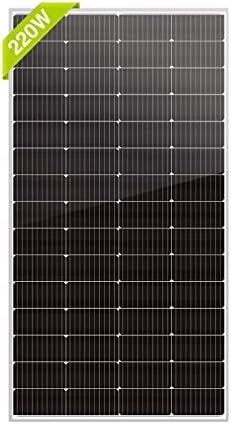
Monocrystalline solar panels are often touted as the high performers in the solar world. Made from a single crystal structure, they’re known for their high efficiency and longevity. Their sleek black appearance tends to blend well into rooftops, making them a popular choice for residential homes.
#### Pros
– **High Efficiency**: Monocrystalline panels typically have an efficiency rate of 15-22%, allowing you to generate more power in less space.
– **Long Lifespan**: With a lifespan of 25 years or more, they often come with long warranties.
– **Space-Efficient**: These panels generate more electricity per square foot, making them suitable for homes with limited roof space.
#### Cons
– **Cost**: They are usually the most expensive option on the market.
– **Temperature Sensitivity**: While they perform well in sunny conditions, their efficiency can drop in extremely high temperatures.
### 2. Polycrystalline Solar Panels
#### Overview
Polycrystalline panels are made from multiple crystal structures, giving them a bluish hue. They are generally more affordable than their monocrystalline counterparts and provide a reasonable balance of efficiency and cost.
#### Pros
– **Affordability**: This type tends to be less expensive, making them a great choice for budget-conscious buyers.
– **Less Waste**: The manufacturing process uses less energy, creating less waste in comparison to monocrystalline panels.
– **Decent Efficiency**: With efficiencies ranging from 13-16%, they perform adequately for many residential and commercial installations.
#### Cons
– **Space Requirement**: They require more space due to their lower efficiency, which can be limiting if you have a small roof.
– **Less Attractive**: Their bluish color and less sleek appearance may not appeal to everyone.
### 3. Thin-Film Solar Panels
#### Overview
Thin-film solar panels are the most versatile option. They can be made from a variety of materials, including cadmium telluride (CdTe) and amorphous silicon (a-Si). With their lightweight structure, they’re ideal for applications where weight is a concern, such as on rooftops that can’t support heavier panels.
#### Pros
– **Lightweight and Flexible**: These panels can be installed on various surfaces, including curved roofs.
– **Better Performance in Low Light**: They perform relatively well in low light and high-temperature conditions.
– **Cost-Effective**: Generally, thin-film panels are less expensive to produce, resulting in lower consumer costs.
#### Cons
– **Lower Efficiency**: Typically, these panels have a lower efficiency rate of 10-12%, making them less suitable for smaller spaces.
– **Shorter Lifespan**: Thin-film panels usually have a shorter lifespan of about 10-20 years.
### Factors to Consider When Choosing Solar Panels
When determining which solar panel type is right for you, several factors should come into play:
1. **Budget**: Consider how much you’re willing to spend, keeping in mind both upfront costs and long-term savings.
2. **Space**: Evaluate your installation space. If you have limited roof area, high-efficiency monocrystalline panels may be your best bet.
3. **Aesthetics**: Think about the appearance of the panels. If you want something sleek and unobtrusive, monocrystalline panels might appeal to you more.
4. **Energy Needs**: Assess your energy consumption. If you expect to use a lot of power, it’s worth investing in high-efficiency panels.
5. **Local Climate**: Consider your local weather conditions. If you live in a region with high temperatures or frequent cloud cover, some panel types may perform better than others.
### Pro Tips for Choosing Solar Panels
1. **Check Warranties**: Look for panels with solid warranties. This usually indicates the manufacturer’s confidence in their product.
2. **Get Multiple Quotes**: Always seek quotes from multiple vendors to ensure you’re getting the best price.
3. **Read Reviews**: Research customer reviews and ratings of different solar panel brands to gather insights on performance and reliability.
4. **Consider Installation**: A professional installation can significantly affect your system’s performance. Don’t skimp on this important step!
5. **Think About Future Needs**: If you plan to extend your energy needs—like adding a hot tub or electric vehicle—account for that when making your choice.
### Conclusion
Choosing the right solar panel involves weighing your budget, space, energy needs, and local climate against the pros and cons of each type. Monocrystalline panels shine in efficiency and lifespan, polycrystalline offers a budget-friendly alternative, and thin-film panels bring versatility to the table, albeit with some performance trade-offs.
No matter which panel type you choose, remember that solar energy can help you reduce your carbon footprint, save on energy bills, and maybe even encourage you to embrace a simpler lifestyle. As you bask in the glow of your solar-powered existence, you’ll not only contribute to a sustainable future but enjoy the satisfaction of harnessing the sun’s energy at your fingertips.
### Final Thoughts
In an ever-evolving world where renewable energy is becoming more crucial, investing in solar panels is not just a choice—it’s a commitment to a better future. So, take some time to assess your needs and options, and prepare to embrace your solar journey! The sun is shining, and it’s time to harness that power for a brighter tomorrow.