
# Solar Power 101: Everything You Need to Know Before Going Green
Waking up to the warm rays of the sun streaming through the window is a dream for many. I remember the excitement during my first day off the grid, feeling the brisk morning air mixed with that delightful sunshine. I stepped outside to a world alive with nature, and the hum of my solar panels was a sweet reminder that I was harnessing the power of that same sun to fuel my daily life. The adventure of going solar took some diligence and research, but the payoff has been incredible. If you’re considering making the leap to renewable energy, you’ll want to know everything about solar power before diving in.
## Understanding Solar Power
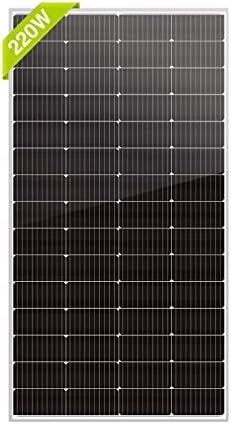
Before you dive into the specifics, let’s simplify what solar power is. Essentially, it’s the process of converting sunlight into electricity. This is achieved through solar panels, which contain photovoltaic cells that absorb sunlight and convert it into usable energy. The beauty of solar power lies in its sustainability and its ability to dramatically reduce your utility bills.
### The Basics of Solar Panels
1. **Photovoltaic Cells**: At the heart of solar panels, these cells convert sunlight into direct current (DC) electricity.
2. **Inverters**: Since most appliances use alternating current (AC), an inverter is necessary to convert DC into AC.
3. **Mounting Systems**: Depending on your setup—rooftop, ground-mounted, or other—you’ll need appropriate mounting systems to secure the solar panels.
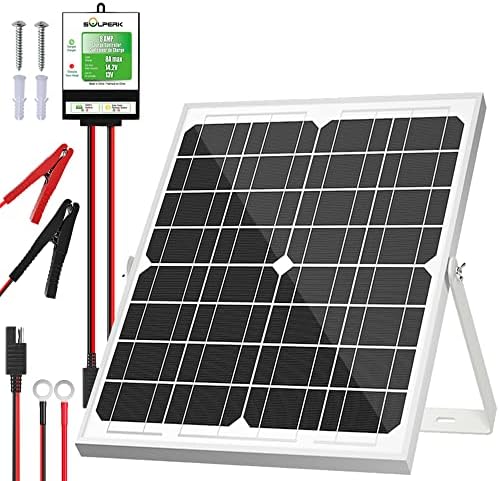
4. **Battery Storage**: In off-grid setups, batteries store surplus energy for use during cloudy days or at night.
## Types of Solar Power Systems
Going solar isn’t a one-size-fits-all kind of decision. Understanding the types of systems available can help you choose what best suits your needs:
### 1. Grid-Tied Systems
These systems connect to the local power grid and allow you to draw electricity when your solar panels aren’t producing enough power. They’re usually cost-effective and allow you to sell excess energy back to the grid in some states.
### 2. Off-Grid Systems
Ideal for those truly seeking independence from traditional power sources, off-grid solar setups are equipped with battery storage to ensure you have power even when the sun doesn’t shine.
### 3. Hybrid Systems
A combination of grid-tied and off-grid, hybrid systems allow you to use battery storage while still being connected to the grid, giving you the best of both worlds.
## Benefits of Going Solar
The perks of choosing solar power extend beyond just saving money on your utility bills. Here are some key benefits:
### 1. Environmental Impact
Solar energy is extremely clean. By choosing solar, you’re reducing your carbon footprint and contributing to a more sustainable future. The air quality improves, too—no more emissions from fossil fuels.
### 2. Energy Independence
With a solar system, you create your own energy source. No more worrying about price hikes from utility companies or power outages—your energy is in your control.
### 3. Increasing Home Value
Properties equipped with solar panels often see an increase in value. Homebuyers appreciate energy-efficient homes that offer reduced energy costs.
### 4. Tax Incentives
Many areas offer tax credits and rebates for installing solar power systems. This could significantly reduce your initial costs, making it an even more attractive investment.
### 5. Low Maintenance
Once installed, solar panels require minimal upkeep. Regular cleaning and occasional inspections are generally all that’s needed to keep them operating at peak efficiency.
## Challenges to Consider
While the benefits are clear, it’s essential to understand the potential challenges as well:
### 1. Initial Investment
The upfront cost of solar panels can be high. However, financing options and government incentives are widely available to offset these costs.
### 2. Weather Dependency
Solar panels depend on sunlight, which means their efficiency can be compromised in cloudy or rainy weather. As a solution, installing a battery storage system can help store energy for those less sunny days.
### 3. Space Requirements
Solar panels need space to be effective, and the amount depends on your energy needs. Ensure you have sufficient roof space or land for installation.
## Choosing the Right Solar System for You
Once you’ve weighed the pros and cons, it’s time to find the right solar system. Here are some tips to guide you through the process:
### 1. Assess Your Energy Needs
Evaluate your daily energy consumption. Review your utility bills for a year to understand your usage patterns and needs.
### 2. Research Local Incentives
Research local and federal incentives for solar installation. This could save you a significant amount of money.
### 3. Compare Providers
Not all solar providers are created equal. Obtain multiple quotes, read reviews, and ask for references. Pay attention not just to price, but also to the quality of products, warranties, and customer service.
### 4. Understand the Installation Process
Familiarize yourself with the installation process. Talk to your provider about the timeline, necessary permits, and what to expect.
### 5. Maintenance Plan
Determine what maintenance will be necessary and how often to expect cleaning or inspections. You may want to include preventative maintenance in your installation contract.
## Pro Tips for Solar Success
1. **Positioning is Key**: The angle and location of your solar panels can significantly influence their efficiency. Aim for a south-facing angle in the Northern Hemisphere for optimal sunlight absorption.
2. **Go for Quality, Not Just Price**: While it’s tempting to choose the cheapest option, investing in high-quality panels and inverters can save you money in the long run with increased efficiency and a longer lifespan.
3. **Stay Informed**: Solar technology is rapidly advancing. Stay updated on the latest innovations and efficiency improvements, so you can make informed decisions about your systems and future upgrades.
4. **Consider Energy-Efficient Appliances**: Combine your solar investment with energy-efficient appliances. By reducing overall energy consumption, you can stretch the benefits of solar even further.
5. **Create a Backup Plan**: Whether you choose to remain off-grid or connected to the grid, always have a plan in place for unexpected situations. Backup generators can be a safety net in case of heavy storms or prolonged cloudy weather.
## The Bottom Line
Going solar is not just an eco-friendly option; it’s a lifestyle choice that can bring freedom from soaring energy bills and a chance to be part of a global movement toward sustainability. With the right information and preparation, the transition to solar power can be smooth, rewarding, and most importantly, empowering. Remember, the sun is a resource that’s abundant and often underutilized. With the right effort, you can harness its energy and enjoy the benefits for years to come.
As you embark on this journey, keep an open mind, do your research, and be ready for an incredible transformation. You’re not just making a change for yourself, but also for generations to come. Embrace the sunshine—wisely and sustainably!
### Conclusion
Solar power represents a bright future for energy. As you delve deeper into this journey, remember that preparation and research are key. The time to go green is now, and the sun is shining brightly—waiting just for you to take that leap!