
# The Economics of Solar Energy: Is It Worth the Investment?
Waking up to the soft glow of sunlight streaming through my window has become my favorite morning ritual. Each day, I am greeted not just by the warmth of the sun but by the comfort of knowing that the energy powering my home is free and sustainable. It took some time and a fair amount of research, but investing in solar energy proved to be one of the best decisions I ever made. Now, let’s dive into the economics of solar energy and consider whether it’s worth your investment.
## Understanding Solar Energy
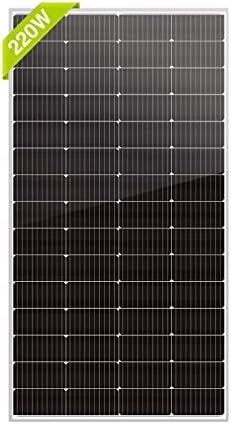
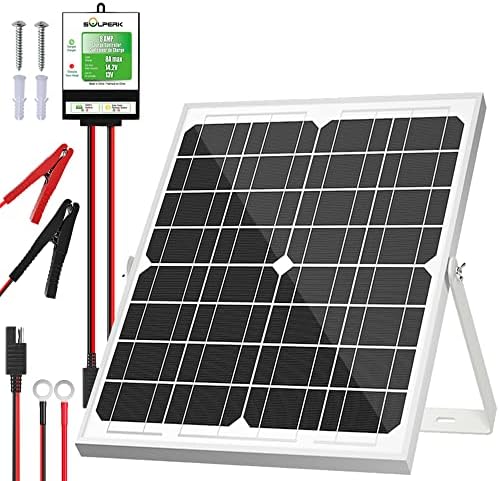
Solar energy harnesses sunlight to generate electricity, typically through photovoltaic (PV) panels. These panels convert sunlight into usable power for homes and businesses. With advancements in technology and a growing commitment to renewable sources, solar energy has transformed from a niche market to a viable option for homeowners and businesses alike.
## The Financial Breakdown
### Initial Costs
When you first look into solar panels, the initial costs can be daunting. A typical solar installation can range from $15,000 to $25,000 before tax credits or incentives. However, understanding the total cost of solar isn’t just about the sticker price; it involves several financial components:
– **Installation Costs:** This includes the purchase of solar panels, inverters, and labor to install the system.
– **Government Incentives:** Federal and state tax credits, rebates, and other incentives can significantly offset your initial costs. The Federal Solar Investment Tax Credit (ITC) allows homeowners to deduct a substantial percentage of the cost of installing a solar energy system from their federal taxes.
– **Financing Options:** Many companies offer financing plans that allow you to pay for the solar system over time, which can mitigate the impact of the upfront cost.
### Long-term Savings
While the initial investment is significant, the long-term savings on electricity bills often outweigh these costs. Here are some critical areas where you can save:
– **Reduced Electricity Bills:** Once your solar system is installed, you’ll begin to offset your electricity usage. Depending on your location, you could eliminate 70-100% of your electricity bill.
– **Net Metering:** This program allows you to send excess energy your solar panels generate back to the grid, earning you credits against your utility bill. If your system produces more energy than you use, you could end up with little to no electricity costs.
– **Increased Home Value:** Installing a solar energy system can increase the value of your home. Many buyers today prioritize energy-efficient features, and solar panels can significantly enhance a property’s appeal.
### Return on Investment (ROI)
Calculating your ROI for a solar investment takes some number-crunching, but it’s well worth the effort. Here’s how to approach it:
1. **Initial Investment Calculation:** Account for installation costs minus any incentives.
2. **Annual Savings:** Estimate your annual savings on energy bills.
3. **Break-even Point:** Divide your initial investment by your annual savings to find out how long it will take to recoup your costs.
4. **Long-term Value:** A solar panel system has an average lifespan of 25 years, meaning your potential savings after your break-even point can be substantial.
## The Environmental Impact
While the economics of solar energy are compelling, let’s not forget about the environmental benefits:
– **Reduction in Carbon Footprint:** By using solar energy, you help decrease greenhouse gas emissions, combatting climate change.
– **Sustainable Energy Source:** Unlike fossil fuels, solar energy is renewable and inexhaustible. Investing in solar contributes to a cleaner planet for future generations.
## Pros and Cons of Solar Energy
### Pros
1. **Cost Savings:** As discussed, solar panels can save you significant amounts on electricity bills.
2. **Energy Independence:** Producing your own energy reduces reliance on the grid and foreign energy sources.
3. **Incentives and Financing:** Government incentives and financing options make solar energy more accessible.
4. **Low Maintenance:** Solar systems generally require minimal maintenance, with most components lasting 25 years or more.
### Cons
1. **Initial Investment:** The upfront costs can be a barrier for some.
2. **Weather Dependent:** Solar energy production can be less efficient in cloudy or rainy areas, although advances in technology are mitigating this.
3. **Space Requirements:** Not all homes have the necessary space or orientation for solar panels; shading from trees or buildings can limit effectiveness.
## When Is Solar Energy Worth It?
Determining whether solar energy is worth the investment depends on multiple factors. Consider the following:
– **Location:** Homes in sunny regions reap greater benefits since solar energy generation is primarily dependent on sunlight.
– **Energy Consumption:** High electricity usage makes solar panels a more attractive option.
– **Home Orientation and Space:** South-facing roofs that have minimal shade are optimal.
– **Government Incentives:** Research available incentives in your area, which could significantly reduce your investment cost.
## Key Pro Tips
To maximize the value of your solar investment, consider the following:
1. **Get Multiple Quotes:** Always compare prices and services from different solar companies. This can help you find competitive pricing and terms that work best for you.
2. **Understand Your Energy Needs:** Analyze your past energy bills to understand your usage patterns. This will help you size your solar system appropriately.
3. **Consider Battery Storage:** While not necessary for everyone, adding battery storage can increase your energy independence and allow you to use stored energy during peak hours.
4. **Stay Informed on Incentives:** Solar incentives can change, and staying informed can help you take advantage of the best offers available.
## Conclusion
The economics of solar energy showcases a promising investment for homeowners looking to reduce energy costs while contributing to a sustainable future. While the initial outlay might seem high, the long-term savings, coupled with environmental benefits, make solar energy a smart and rewarding choice.
By considering your individual circumstances, conducting thorough research, and being open to new financial opportunities, you can harness the sun’s power and enjoy both economic and environmental benefits. The sun is shining brightly on solar energy, and with the right approach, it could illuminate your path to a greener, more cost-effective way of living. So, is it worth the investment? If you’re ready to embrace long-term savings, energy independence, and a cleaner planet, the answer is a resounding yes!