
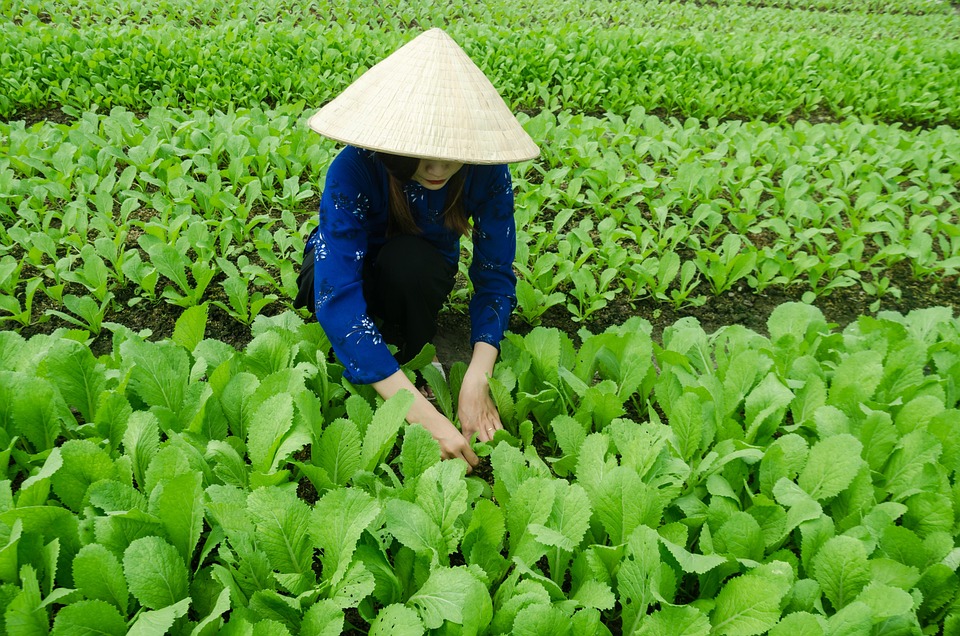
# The Future of Food: How Sustainable Agriculture Can Feed a Growing Population
It was a bright morning, the sun casting golden rays over a dew-kissed garden, when I discovered the magic of sustainable agriculture. Each seed I planted felt like a tiny promise to the future. As the delicate seedlings began to sprout, I understood that food production can be both a joy and a responsibility. In a world bracing for the challenges of overpopulation, climate change, and dwindling resources, sustainable agriculture stands out as the beacon of hope. This article dives deep into how sustainable practices not only nourish our bodies but also the planet, paving the way for a food-secure future.
## Why Sustainable Agriculture?
Sustainable agriculture embraces a holistic approach to farming that fosters healthful ecosystems, improves soil quality, conserves water, and generates essential nutrients, all while being economically viable for farmers. With the United Nations projecting a global population of nearly 10 billion by 2050, our current food systems face an unprecedented challenge. The traditional methods of farming, heavily reliant on chemical inputs, are not only depleting our natural resources but also endangering our health. Sustainable agriculture offers alternatives that restore balance and promote resilience.
### The Key Principles of Sustainable Agriculture
Sustainable agriculture integrates several principles to create a more sustainable food system:
1. **Soil Health**: Healthy soil is the foundation of productive agriculture. Practices like crop rotation, cover cropping, and reduced tillage can enhance soil structure, fertility, and microbial diversity.
2. **Water Conservation**: Strategies such as drip irrigation, rainwater harvesting, and soil moisture management ensure that water is used efficiently, essential for retaining productivity in the face of climate variability.
3. **Biodiversity**: Diverse crop and livestock systems not only increase resilience against pests and diseases but also promote ecosystem stability. Incorporating native plants and traditional varieties can provide a natural balance.
4. **Local Food Systems**: Supporting local production reduces transportation emissions and strengthens local economies. Farmers’ markets and community-supported agriculture (CSA) can forge stronger connections between consumers and producers.
5. **Integrated Pest Management (IPM)**: Rather than relying solely on chemical pesticides, IPM employs a variety of tactics, including biological control, habitat manipulation, and resistant varieties to manage pest populations sustainably.
### Innovative Practices Shaping Sustainable Agriculture
As we move forward, several innovative practices are emerging within sustainable agriculture that hold the promise of feeding our growing population.
#### 1. Agroforestry
Agroforestry combines agriculture with forestry to create diverse agricultural landscapes. By planting trees alongside crops, farmers can enhance soil fertility, conserve water, and provide shade for livestock, leading to healthier ecosystems. This practice not only captures carbon but can also significantly increase yields.
#### 2. Vertical Farming
Vertical farming utilizes technology to grow food in stacked layers, often in controlled indoor environments. With limited land availability, vertical farming presents a sustainable solution for urban areas. It uses up to 95% less water than traditional farming and can operate year-round, delivering fresh produce right to city dwellers.
#### 3. Biochar
Incorporating biochar—a charcoal-like substance made from organic material—into soil can enhance its fertility and dramatically improve water retention. This process also sequesters carbon, contributing to climate change mitigation efforts. Farmers using biochar can see increased yields while improving soil health.
#### 4. Permaculture
Permaculture is about designing agricultural systems to work harmoniously with nature. By mimicking natural ecosystems, permaculture practices create sustainable and self-sufficient systems. This approach emphasizes planting perennial crops, which require less maintenance and can provide food year-round.
### The Role of Technology in Sustainable Agriculture
Innovations in technology are transforming farming practices, enhancing sustainability and efficiency:
– **Drones and Precision Agriculture**: Drones can conduct aerial surveys of farmland, providing real-time data on crop health, moisture levels, and pest management needs. This allows farmers to make informed decisions, ultimately reducing resource use.
– **Hydroponics and Aquaponics**: These soilless growing systems allow for high-density food production in urban settings. Hydroponics grows plants in nutrient-rich water, while aquaponics combines fish farming with plant cultivation, creating a mutually beneficial ecosystem.
– **Blockchain for Transparency**: Blockchain technology can provide traceability in food production, which enhances consumer trust and promotes ethical farming practices. Consumers can verify the origin of their food and support responsible producers.
### Community Engagement and Education
Educating communities about sustainable farming practices is crucial for widespread adoption. Workshops, farm tours, and community gardens can inspire individuals to embrace sustainability in their own lives. By involving schools and local organizations, the shared knowledge can foster a culture of sustainability.
### Pro Tips for Sustainable Gardening
Here are a few essential tips to incorporate sustainable practices into your gardening or farming:
1. **Test Your Soil**: Before planting, conduct a soil test to understand its nutrient composition and deficiencies. This will help you choose appropriate amendments and crops.
2. **Choose Native Plants**: Native plants are adapted to local conditions and require less water and maintenance. They also support local biodiversity by attracting beneficial insects.
3. **Compost**: Turn kitchen scraps and yard waste into nutrient-rich compost. This not only reduces waste but enriches your soil, promoting healthy plant growth.
4. **Utilize Companion Planting**: Some plants naturally repel pests or enhance growth when planted together. Research which plants complement each other to improve yield and resilience.
5. **Stay Informed**: Engage with local agricultural extension officers or join sustainable agriculture networks to stay updated on best practices and innovations in the field.
### The Road Ahead
The convergence of sustainable agricultural practices, innovative technologies, and community engagement holds immense potential for feeding our world’s growing population. Together, these strategies can create a robust food system that meets the demands of the future while preserving our planet for generations to come.
As we step into this exciting era of sustainable agriculture, it is important to remember that every seed planted—and every choice made—has the power to shape our future. Whether you’re a seasoned farmer, a curious gardener, or an urban dweller, there’s a role for everyone in fostering a sustainable food landscape. By nurturing the earth and cultivating our connection to it, we are not just feeding ourselves; we are nourishing the promise of a thriving future.