
# From Soil to Soul: The Benefits of Sustainable Gardening
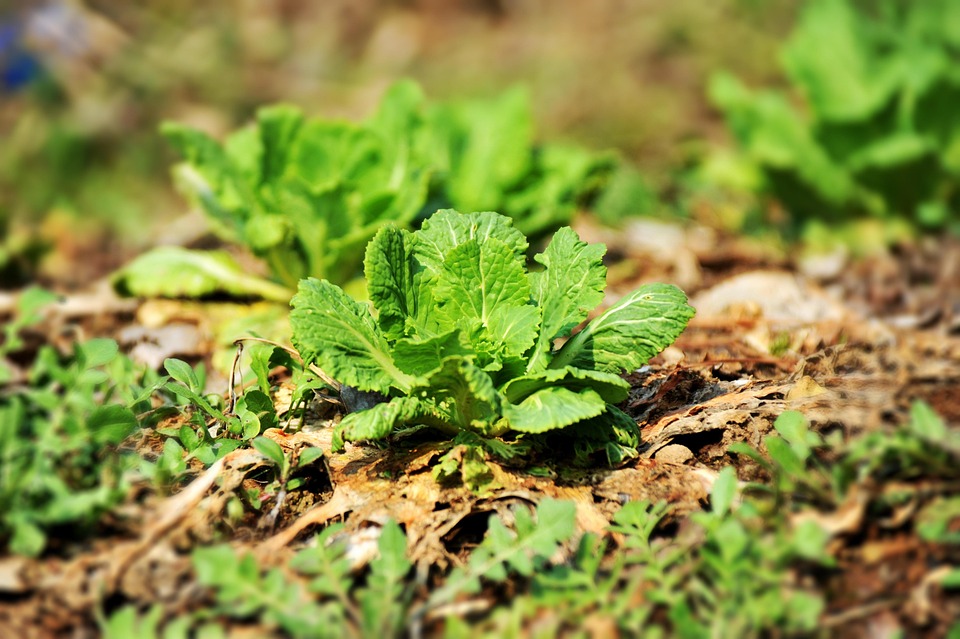
Imagine stepping out into a sun-drenched garden, the rich aroma of earth brushing against your senses, while a gentle breeze weaves through the vibrant green leaves. That’s my morning ritual. Each day, I wander through rows of veggies and flowers, marveling at the dance of butterflies and bees busy pollinating, ensuring that life continues abundantly. There’s an unmistakable buzz of energy as I dig my hands into the soil, feeling connected not just to my plants, but to the greater cycle of life. This captivating experience is the essence of sustainable gardening—the perfect blend of nurturing the earth and enriching our souls.
Sustainable gardening transcends mere visuals; it’s a commitment to nurturing our planet while cultivating a healthier way of life. It serves as a reminder that our relationship with the earth can be symbiotic—as we nurture the soil, the soil nourishes us. Let’s delve into the myriad benefits that sustainable gardening brings to both our environment and our well-being.
## The Heart of Sustainable Gardening
At its core, sustainable gardening is all about working in harmony with nature. It emphasizes practices that enhance the soil, conserve resources, and promote biodiversity. Gone are the days of toxic chemicals and monocultures. Instead, think of vibrant ecosystems buzzing with life, where plants flourish without the crutch of synthetic fertilizers or pesticides.
### Environmental Benefits of Sustainable Gardening
1. **Promotes Biodiversity**
A sustainable garden is a thriving ecosystem. By planting a variety of species, you attract beneficial insects, pollinators, and even local wildlife. This diversity strengthens your garden’s resilience to pests and diseases and contributes to a healthier environment.
2. **Soil Health**
Healthy soil is the foundation of any sustainable garden. By incorporating compost, organic matter, and crop rotation, you enrich the soil, improving its fertility over time. Healthy soil also acts like a sponge, retaining water and reducing the need for irrigation.
3. **Water Conservation**
Techniques such as rainwater harvesting and drip irrigation can drastically reduce water usage in your garden. Additionally, mulching conserves moisture in the soil, preventing evaporation and keeping plant roots happy.
4. **Carbon Sequestration**
Plants absorb carbon dioxide, making gardens an ally against climate change. Sustainable gardening practices enhance this natural process, as healthy soils store carbon effectively.
### Personal Health Benefits
Sustainable gardening doesn’t just nurture the earth; it nourishes the gardener, too! Engaging in this practice offers a plethora of personal health benefits.
1. **Physical Fitness**
Gardening is an excellent way to get your body moving. From digging and planting to weeding and watering, it provides a full-body workout that can improve strength, flexibility, and endurance.
2. **Mental Well-Being**
Gardening connects us with nature, which has proven mental health benefits. Spending time outside has been shown to reduce stress, anxiety, and depression. The act of nurturing plants also provides a sense of purpose and fulfillment.
3. **Nutritional Boost**
Growing your own fruits, vegetables, and herbs means access to fresh, organic produce right at your fingertips. Eating homegrown food promotes a healthier diet, rich in essential nutrients and free from harmful pesticides.
### Economic Benefits
Sustainable gardening isn’t just a personal or environmental choice—it can also be economically savvy.
1. **Cost Savings**
While there are initial costs in starting a garden, in the long run, growing your own food reduces grocery bills significantly. Plus, the availability of fresh produce can lessen expenditures on health care due to improved nutrition.
2. **Community Building**
Engaging in community gardening or sharing your harvest with friends can strengthen ties and foster camaraderie. This sense of community not only builds social bonds but can also create a local food network that benefits everyone involved.
### Spiritual Benefits
Sustainable gardening is deeply spiritual, reconnecting us to the rhythms of nature.
1. **Mindfulness and Presence**
Tending to a garden encourages a state of mindfulness. It’s a practice of being present, fully immersed in the task at hand—whether it’s planting seeds, watering, or harvesting. This mindfulness promotes mental clarity and enhances our overall sense of well-being.
2. **Connection to Nature**
In an age dominated by technology and fast-paced living, sustainable gardening provides a serene escape, reminding us of our roots. Digging into the earth and witnessing the life cycles of plants rekindles our connection to the natural world, fostering gratitude for its gifts.
3. **Spiritual Reflection**
Gardens can be places of reflection and meditation. By nurturing plants and watching them thrive, we cultivate patience, understanding, and a deep appreciation for the cycles of life and death, growth and decay.
## Pro Tips for Sustainable Gardening
If you find yourself eager to put these principles into action, here are some pro tips to jumpstart your sustainable gardening journey:
1. **Start with Native Plants**
Local plants are adapted to the local climate and soil type, needing fewer resources while supporting local wildlife. They also require less maintenance than exotic species.
2. **Compost, Compost, Compost!**
Transform vegetable scraps, yard waste, and other organic materials into nutrient-rich compost. It’s one of the best things you can do for your garden, boosting soil fertility and structure.
3. **Practice Companion Planting**
Certain plants benefit from being grown near each other, deterring pests and improving growth. For instance, planting marigolds alongside tomatoes can deter nematodes and other common pests.
4. **Embrace Cover Crops**
Use cover crops such as clover or vetch during the off-season. They improve soil health by preventing erosion, fixing nitrogen, and providing organic matter.
5. **Limit Watering**
Water early in the morning or late in the afternoon, avoiding evaporation, and consider drought-resistant plants. Group plants with similar water needs together to improve efficiency.
6. **Be Patient and Observe**
Gardening is a process of trial and error. Keep a garden journal to note what works best and learn from any mistakes—after all, even seasoned gardeners have their ups and downs!
## A Brighter Future with Sustainable Gardening
Sustainable gardening is an enriching practice that nourishes not just our bodies, but our communities and the planet as well. As you dig into this rewarding activity, you’ll likely find that it nurtures your spirit just as much as it promotes ecological well-being. The fruits (and veggies) of your labor will extend far beyond your immediate surroundings, contributing to a greener, healthier world for generations to come.
So grab your gloves, roll up your sleeves, and immerse yourself in the harmonious dance of growing from soil to soul. Remember, as you cultivate your garden, you are also cultivating hope—one seed at a time. 🌱✨