# Embracing Off-Grid Living: Your Ultimate Guide to Freeing Yourself from the Grid
Picture this: It’s a crisp autumn morning, the sun peeking through the tall pines, casting shimmering rays onto the dew-kissed earth. The only sounds to break the tranquility are the soft rustle of leaves and the gentle croak of a frog in the nearby pond. With a cup of freshly brewed herbal tea in hand, I step outside, inhaling the refreshing scent of nature. This is my life off the grid—a glorious blend of simplicity, self-sufficiency, and a deep connection to the natural world. If you’ve ever felt the pull of a simpler life, continue reading; this guide will provide the tools and tips you need to embrace off-grid living.
## The Allure of Off-Grid Living
The hustle and bustle of modern life can often feel overwhelming. The constant buzz of notifications, the never-ending grind of work, and the frenzy of social commitments can leave you yearning for a sense of peace. Living off the grid offers a unique opportunity to reclaim that tranquility. It’s not just about stepping away from technology; it’s about stepping into a lifestyle where nature becomes your home, and simplicity reigns.
### What Does Living Off the Grid Mean?
Living off the grid means you’re self-sufficient—no reliance on public utilities for your electricity, water, or often even food. It can take many forms, from tiny homes powered by solar panels to homesteading on large parcels of land. In essence, it’s about reducing your reliance on external systems and creating a sustainable, fulfilling way of life.
## Getting Started: Practical Steps to Embrace Off-Grid Living
### 1. Choose Your Location Wisely
Finding the perfect spot to settle down is the first step. Consider proximity to resources like water, arable land, and wildlife. Seek out a place that resonates with you—somewhere that feels like home. Research zoning laws, as different areas have various regulations regarding off-grid living.
### 2. Develop Sustainable Water Solutions
Water is essential, and having a sustainable source is critical. Rainwater harvesting systems can catch and store precipitation, while wells can provide a more permanent solution. Be sure to understand your local water rights, as they can impact how you utilize water on your property.
### 3. Power Up with Renewable Energy
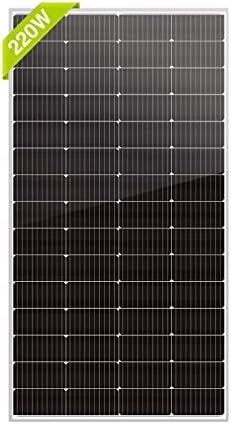
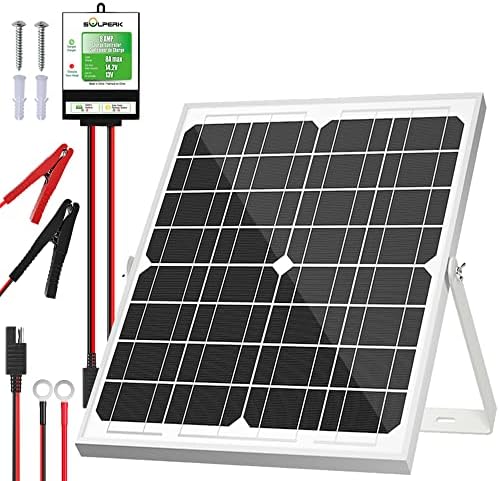
Solar panels are a popular choice, but wind turbines and micro-hydro systems are also options worth considering. Conduct an energy audit to understand your needs and explore your renewable energy options. It’s not only eco-friendly but can also save you money in the long run!
### 4. Cultivate Your Own Food
Growing your food is one of the most rewarding aspects of off-grid living. Start small with a garden featuring your favorite vegetables and herbs. Explore permaculture practices that mimic natural ecosystems for a sustainable approach. Consider raising chickens or goats to supplement your diet with fresh eggs or milk.
### 5. Embrace Minimalism
To thrive while living off the grid, adopting a minimalist mindset can help. Focus on quality over quantity, keeping only the items that add value to your life. Decluttering can free you from the weight of excess possessions, making you feel more in tune with your surroundings.
### 6. Build Community Connections
Being off the grid doesn’t mean being isolated. Cultivating relationships with nearby folks can provide support and strengthen your sense of community. Sharing skills, resources, and stories can enrich your experience and foster lasting friendships.
## Embracing Challenges: Common Hurdles in Off-Grid Living
While off-grid living can be a dream come true for many, it’s not without its challenges. Here are some common hurdles and how to overcome them:
### 1. Adapting to a New Routine
Life off the grid often involves a significant shift in daily routines. Without easy access to stores and services, tasks like cooking, cleaning, and maintenance require more planning. Embrace the changes as a new adventure and establish practical schedules that work for you.
### 2. Managing Energy and Resource Consumption
When you rely solely on renewable energy and natural resources, understanding your consumption becomes crucial. Set up systems to monitor energy use and water consumption. Prioritize efficiency and incorporate practices that reduce waste, like composting or recycling.
### 3. Weather Variability
Weather patterns can significantly affect your off-grid setup. Maintaining your solar panels or wind turbines requires regular checks, especially after storms. Stay informed about local weather conditions, and have contingency plans in place for extreme situations.
### 4. Equipment Maintenance
Every off-grid setup requires maintenance—think solar panels, plumbing systems, and garden tools. Be prepared to invest time in upkeep and educate yourself on standard repairs. It’s an excellent opportunity to learn new skills, from basic plumbing to electrical work.
## Pro Tips for a Successful Off-Grid Lifestyle
1. **Start Small**: If you’re new to off-grid living, consider starting with a temporary setup, like a tiny house or RV, while you learn the ropes.
2. **Network with Off-Grid Communities**: Engage with local or online groups dedicated to off-grid living. They can offer invaluable resources, support, and advice.
3. **Educate Yourself**: Take workshops or online courses to learn essential skills like gardening, woodworking, and emergency preparedness. Knowledge is power, especially when living independently.
4. **Invest in Quality Tools**: From hand tools to gardening supplies, having high-quality equipment will make your tasks easier and prolong their lifespan.
5. **Practice Sustainability**: Implement eco-friendly practices, such as composting, recycling, and using biodegradable products. This contributes to a healthier planet and community.
6. **Stay Flexible and Adaptable**: Life off the grid requires a willingness to adapt to changing circumstances. Embrace the unpredictability and let it inspire creativity!
## The Joys of Connection: Nature and Self
Living off the grid provides a unique opportunity to reconnect with nature. The simplicity of your surroundings often fosters introspection and enhances mental clarity. Picture growing your food, listening to the distant sound of a river, or enjoying a starry night sky—these small, beautiful moments ground you in a profound sense of belonging.
## Conclusion: Step Into Your Off-Grid Adventure
The idea of off-grid living may seem daunting, but it offers a chance to embark on a fulfilling, sustainable journey. With careful planning, community building, and a zest for exploration, you’ll find that this way of life opens doors to a world rich with opportunity and joy. Start your off-grid adventure today—you may just discover a deeper connection to nature, community, and yourself.
Take the first step toward freedom from the grid, paving the way for a life filled with adventure, creativity, and peace. You might just find it’s the best decision you’ve ever made!