
# The Role of Technology in Advancing Sustainable Agriculture
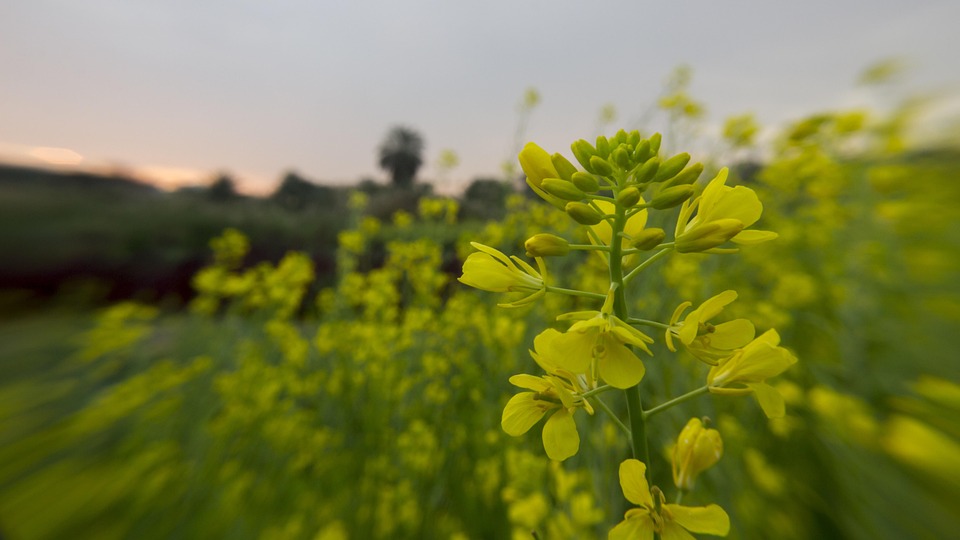
Picture this: a sun-drenched morning, the rich aroma of earth wafting through the air, and the magical hum of life awakening in the garden. It’s a moment where nature thrives, and every seed planted holds the promise of transformation. But wait! Just beyond the horizon, modern technology is weaving an intricate tapestry that enhances this idyllic scene, ushering in a new era of sustainable agriculture.
In a world bursting with innovation, technology plays a transformative role in advancing sustainable agriculture. It empowers farmers to grow more with less, making use of sophisticated tools and methods that honor environmental health. Let’s dive into how technology is revolutionizing sustainable farming practices and creating a harmonious balance between growing food and caring for the planet.
## Understanding Sustainable Agriculture
Sustainable agriculture revolves around practices that maintain the health of the environment, uphold social and economic viability, and ensure food security for generations to come. Traditional methods are being redefined through technological advancements, allowing us to maximize efficiency while minimizing our ecological footprint.
## Precision Farming: Farming with a Laser Focus
At the heart of many technological innovations in agriculture lies precision farming. This approach harnesses data and sophisticated tools to optimize field-level management regarding crop farming. Tools such as GPS-guided tractors, aerial drones, and IoT (Internet of Things) devices allow farmers to gather real-time data about their land.
### Benefits of Precision Farming
1. **Resource Efficiency:** Farmers can apply water, fertilizers, and pesticides in precise amounts where they are needed most, reducing waste and environmental impact.
2. **Yield Improvement:** Data-driven insights enable farmers to understand their crops better. This leads to higher yields and improved quality, essential for food security.
3. **Reduced Labor:** Automated systems can save time and manual labor, allowing farmers to engage in more sustainable practices rather than spending hours in the field.
## Drones: The Eye in the Sky
Drones are fast becoming a favorite tool for farmers. Equipped with sensors and cameras, they can survey large areas of farmland quickly and effortlessly.
### Applications of Drones in Agriculture
– **Crop Monitoring:** Drones capture high-resolution images that help in monitoring crop health, identifying pests, and assessing irrigation needs.
– **Soil Analysis:** Drones equipped with specialized sensors can analyze soil conditions provide vital information regarding nutrient health and moisture levels.
– **Pesticide Distribution:** Drones can efficiently spread pesticides, reducing the amount needed and limiting exposure to harmful chemicals.
## Hydroponics and Vertical Farming: Growing Up
Hydroponics and vertical farming represent a revolutionary way of producing food in controlled environments, often in urban areas. These methods use less water, eliminate the need for soil, and can produce food year-round.
### Advantages of Hydroponics and Vertical Farming
1. **Space Efficiency:** By using vertical structures, these methods maximize limited growing space, making them ideal for urban settings.
2. **Water Conservation:** Hydroponic systems use up to 90% less water compared to traditional soil-based farming, a huge benefit in regions facing water scarcity.
3. **Reduced Pesticides:** Controlled environments lower the risk of pests and diseases, reducing the dependence on chemical treatments.
## Smart Technology: Connecting Farms to the Cloud
The advent of smart technology allows farmers to monitor and manage their operations from anywhere, bringing convenience and efficiency to their fingertips.
### Key Features of Smart Farming
– **Remote Monitoring:** Sensors installed in fields can track conditions like soil moisture and nutrient levels, sending real-time data to farmers’ devices.
– **Automated Irrigation Systems:** These systems adjust watering schedules based on real-time weather and soil moisture data, conserving water and promoting better plant health.
– **Blockchain for Transparency:** Technology like blockchain is used to trace the journey of food from farm to table, promoting transparency in sourcing and sustainability.
## Sustainable Supply Chains: Enhancing Eco-Friendliness
Technological advancements are not just limited to the fields; they extend to the entire supply chain of agriculture. Smart logistics and eco-friendly delivery options allow farmers to get their products to market with reduced carbon footprints.
### Benefits of Eco-Friendly Supply Chains
– **Reduced Food Waste:** Technologies that streamline logistics ensure that food reaches consumers faster, minimizing spoilage.
– **Consumer Awareness:** Applications can provide consumers with detailed information about the sourcing and sustainability practices of the food they buy, fostering a conscious consumer base.
## The Role of Artificial Intelligence
AI is making waves in sustainable agriculture by offering predictive analytics and insights. By analyzing data trends, AI can help farmers make informed decisions about planting schedules, crop rotation, and pest management.
### AI Applications in Agriculture
– **Predictive Analytics:** AI can forecast crop yields based on historical data and trends, helping farmers plan better.
– **Pest and Disease Identification:** AI-powered apps can identify signs of pests or diseases in crops, allowing for timely interventions.
## Pro Tips for Integrating Technology in Sustainable Farming
1. **Start Small:** If you’re new to technology in farming, begin with one technology or tool before investing in multiple systems. Experiment and learn what works best for your specific context.
2. **Embrace Data:** Collect and analyze data regularly. The more information you gather about your crops, soil, and environment, the better decisions you can make for improvement.
3. **Stay Updated:** The agricultural tech landscape is constantly evolving. Join agricultural tech forums or subscribe to newsletters to stay updated on the latest innovations.
4. **Network and Collaborate:** Reach out to other farmers who are using technology successfully. Share experiences and insights to learn and improve collectively.
5. **Invest in Training:** Whether it’s a workshop or an online course, invest time in learning how to effectively use the new technologies. Knowledge is key to maximizing their potential.
## Conclusion: A Blossoming Future
The intertwining of technology and sustainable agriculture is not merely a trend; it is a critical shift towards a food system that respects the delicate balance of our ecosystem. As farmers and enthusiasts embrace these innovations, we pave the way for a greener, more sustainable future.
The path ahead may present challenges, but with the right tools at our side, we can cultivate not only our crops but a thriving, sustainable world for generations to come. So grab your gardening gloves and embrace the tech revolution; it’s time to plant the seeds of tomorrow!