# Traveling Slow: The Benefits of Embracing Slow Tourism
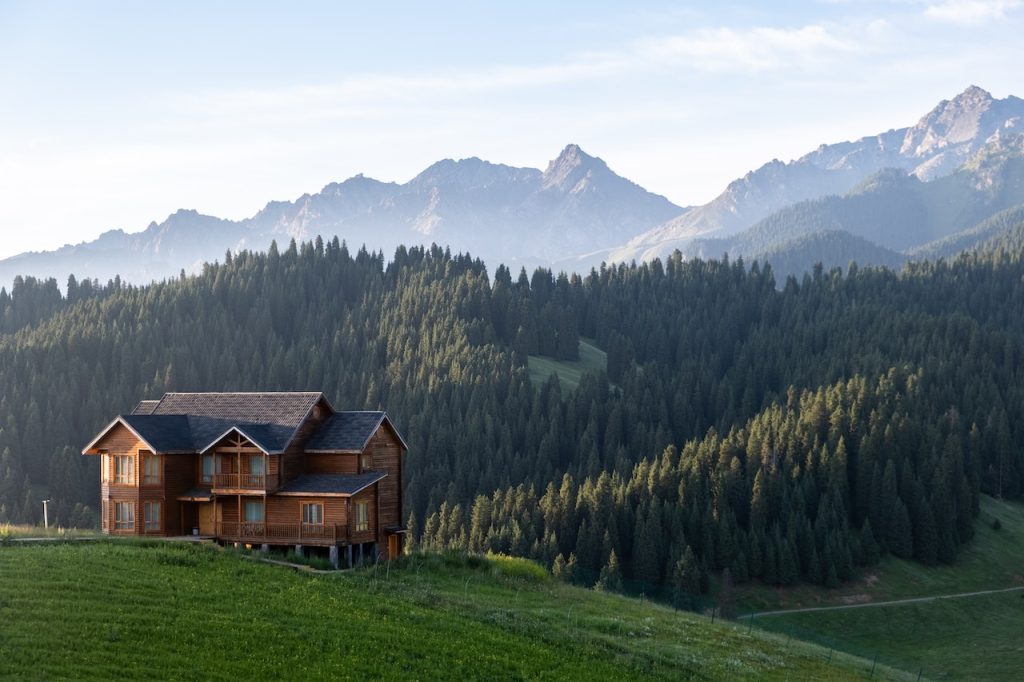
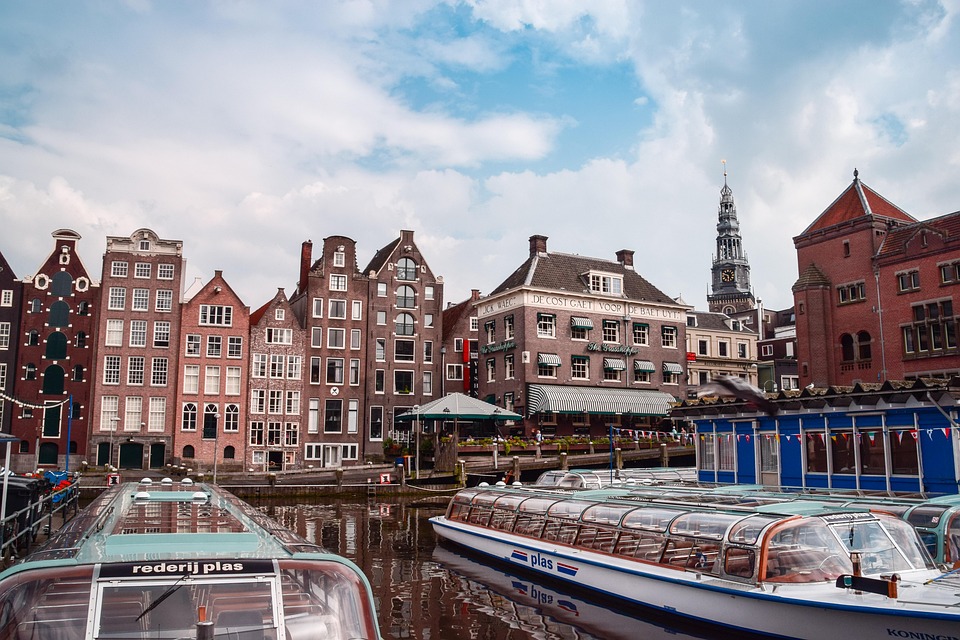
Picture this: you’re wandering through a quaint village, the sun dappling through the leaves of ancient trees, a warm breeze whispering secrets of the past. You stop for a moment, taking in the scent of freshly baked bread wafting from a nearby bakery. Instead of rushing to tick off your travel checklist, you give yourself permission to linger, to savor the moments that unfold around you. This is the essence of slow tourism—an invigorating approach that invites you to slow down, connect, and experience the destination in a deeply meaningful way.
## The Rise of Slow Tourism
In an era where travel often equates to cramming as many sights as possible into a single itinerary, slow tourism is a refreshing antidote. Originating in the 1980s as a backlash against fast food and modern living, the slow movement has expanded into various facets of life, including tourism. Rather than racing from one landmark to the next, slow travelers embrace a more immersive experience, engaging authentically with both the culture and environment of their destination. This shift resonates especially in today’s world, where sustainability has become not just a buzzword but a necessity.
### What Exactly is Slow Tourism?
Slow tourism focuses on quality over quantity. It emphasizes fewer locations explored in greater depth rather than a whirlwind tour that leaves you feeling more exhausted than enriched. This concept encourages travelers to:
– **Connect with Local Cultures:** Interact with locals, try traditional cuisine, learn local crafts—these experiences often resonate deeper than merely snapping a photo of a famous landmark.
– **Appreciate Nature:** Instead of zooming through national parks, slow tourism invites you to hike a little less but look a lot closer, finding beauty in every detail.
– **Reflect and Relax:** Take time to pause and reflect on your experiences. Slow tourism allows you to meditate on the beauty around you rather than rush past it.
### The Environmental Benefits
The environmental implications of slow tourism are profound and far-reaching. Travel, particularly mass tourism, can often lead to ecological degradation, pollution, and overtourism in fragile ecosystems. By contrast, embracing a slower pace offers several environmental benefits:
1. **Reduced Carbon Footprint:** Slower travel often encourages the use of public transport, walking, or cycling, which reduces your carbon footprint compared to traditional travel that relies heavily on air travel and private vehicles.
2. **Enhanced Conservation Efforts:** Many slow tourism initiatives partner with local conservation efforts, providing travelers with opportunities to contribute to preserving nature and wildlife.
3. **Support for Sustainable Practices:** Slow tourism often includes staying in locally-owned accommodations, eating at family-owned restaurants, and participating in community-based tourism initiatives, fostering sustainable economic practices.
### Cultivating Meaningful Connections
One of the most significant benefits of slow tourism is the opportunity to forge meaningful connections. Whether it’s enjoying a homecooked meal with a local family or participating in a traditional festival, these interactions provide a genuine understanding of the community and culture you’re visiting. Here are ways you can cultivate connections:
– **Stay Locally:** Choose homestays or small guesthouses over large hotels. This not only supports the local economy but also offers authentic insights into daily life.
– **Participate in Cultural Activities:** Look for workshops or classes that dive deep into the local art, music, or culinary traditions. Learning a few phrases of the local language can also go a long way in establishing rapport.
– **Volunteer Opportunities:** Many organizations welcome tourists who want to assist with local projects, whether it’s environmental conservation or community education initiatives.
### Pro Tips for Embracing Slow Tourism
To fully embrace slow tourism, consider the following pro tips:
1. **Limit Your Itinerary:** Choose a few key destinations and delve deeper into what they have to offer. This allows for spontaneous adventures that often yield the best memories.
2. **Prioritize Experiences Over Sightseeing:** Seek out unique experiences that resonate with your interests or passions rather than cookie-cutter attractions. Attend a local event or join a guided naturalist walk.
3. **Document Your Journey:** Keep a travel journal or blog about your experiences. This not only helps process your travels but also creates lasting memories you can reflect upon.
4. **Travel Off-Peak:** Consider visiting during the shoulder seasons. You’ll not only avoid the tourist crowds, but you’ll also likely benefit from more engaging conversations with locals.
5. **Savor the Moment:** Take time to simply sit and observe. Find a local park bench and enjoy your surroundings. Use this time to reflect or soak in the atmosphere, which is often more rewarding than hustling to the next attraction.
### The Economic Advantages
Beyond the environmental benefits, slow tourism also has economic implications. Supporting local businesses through slower travel can help communities thrive. More specifically, when you engage with local establishments:
– **Generate Local Income:** Money spent at local restaurants, shops, and markets helps keep those businesses afloat and strengthens the local economy.
– **Diversity in Tourism:** The more travelers that choose slow tourism, the further away from overreliance on mass tourism destinations small communities can become. This creates an economically resilient landscape.
– **Job Creation:** Supporting niche businesses can create jobs that enrich the community, thus fostering a cycle of economic vitality.
### Challenges of Slow Tourism
While the benefits are numerous, slow tourism isn’t without its challenges. Making the transition from a fast-paced travel mindset can feel foreign and sometimes uncomfortable. Here are a few hurdles:
– **Time Constraints:** In a world where vacation days are limited, many travelers feel compelled to make the most of their short time away. The notion of slowing down may feel counterintuitive.
– **Information Gaps:** Finding slow tourism opportunities in lesser-known destinations can sometimes be difficult. The wealth of available information may favor traditional travel activities, leaving slow travelers needing to seek out hidden gems independently.
– **Adaptation:** Adjusting to a slower pace can be challenging, especially when the adrenaline of fast travel is usually exhilarating for many.
### Conclusion: The Joy of Slowing Down
Travel isn’t just about the places you go; it’s about the experiences you share and the connections you build along the way. By embracing slow tourism, you’re choosing to immerse yourself in the richness of a destination and engage meaningfully with its people and culture. You’re not checking off boxes on a list but instead savoring every moment, discovering what it means to travel not just as a visitor but as a participant in the fabric of a community.
As we increasingly recognize the need for sustainable travel practices that respect both our planet and its diversity, slow tourism offers a heartwarming path that celebrates the journey. So, whether you’re strolling down cobblestone streets, sipping artisanal coffee at a local café, or chatting with a farmer about their craft, allow yourself the joy of slowing down. Travel isn’t just about the destination—it’s about savoring the beautiful, intricate tapestry of life that unfolds along the way.