
# Breaking Down the Costs: What to Expect When Installing Solar Panels
When my neighbor excitedly shared their plans to install solar panels, it sparked curiosity and inspiration within me. I fondly recall the bright morning as I enjoyed my homemade breakfast, with sunlight pouring through the window, illuminating the possibilities of living sustainably. The prospect of harnessing the sun’s power ignited a passion in me: solar panels seemed like a ticket to freedom from ever-rising utility bills and a way to tread lightly on our planet. But what are the actual costs involved? In this article, we’ll break down the expenses associated with installing solar panels, so you can make informed decisions about this exciting venture.
## The Initial Investment: What Does It Look Like?
When diving into the world of solar energy, the very first thing you’ll encounter is the upfront cost. This can vary significantly depending on various factors. On average, homeowners in the United States can expect to pay anywhere from $15,000 to $25,000 for a residential solar panel system, with prices fluctuating based on your location, the size of the system, and the type of panels you choose.
### Factors Affecting Costs
– **Size of the System**:
The energy needs of your household will dictate the size of the solar system you require. A larger home with higher energy consumption will naturally need a bigger system, leading to higher installation costs.
– **Type of Solar Panels**:
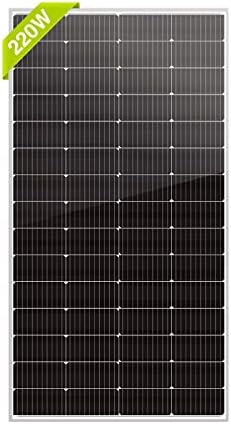
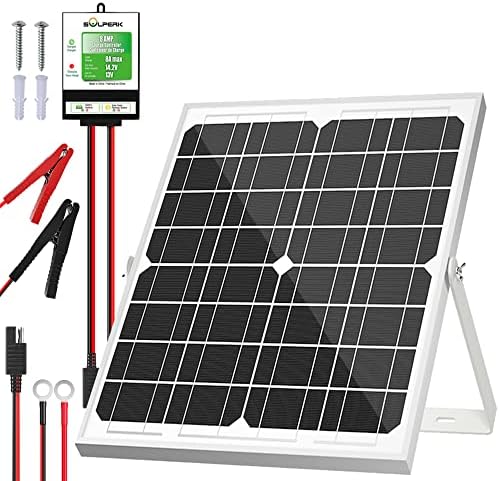
There are several types of solar panels: monocrystalline, polycrystalline, and thin-film. Monocrystalline panels are typically the most efficient but tend to be pricier. Understanding the efficiency-to-cost ratio is crucial.
– **Installation Costs**:
Installation costs can range from $2,000 to over $10,000, depending on the complexity of the setup and the contractor you hire. Always get multiple quotes to ensure you’re getting a fair deal.
### Additional Expenses to Consider
1. **Permitting Fees**:
Before you can install solar panels, you’ll likely need to obtain permits from your local government. The cost can vary, generally ranging from $100 to $500.
2. **Inverter Costs**:
Solar panels generate direct current (DC) electricity, which must be converted into alternating current (AC) for household use. The inverter can cost between $1,000 and $3,000 depending on the system’s size.
3. **Battery Storage**:
If you’re interested in going fully off the grid, you’ll need battery storage. While they can be a significant investment, costing anywhere from $5,000 to $15,000 for a good system, the savings on utility bills can justify this expense.
4. **Maintenance and Repairs**:
Although solar panels are relatively low-maintenance, occasional cleaning and repairs may arise. Setting aside a few hundred dollars annually for upkeep is a smart move.
## Savings to Expect: Beyond the Initial Costs
Once you’ve navigated the upfront costs, it’s essential to look at the long-term savings. While the initial investment might seem steep, the reduction in electricity bills can be substantial.
### Utility Bill Savings
A typical residential solar system can reduce electricity bills by 50% to 90%. In sunny states, homeowners can even eliminate their electric bills altogether by selling excess energy back to the grid through net metering policies.
### Tax Incentives and Rebates
The federal solar tax credit allows you to deduct a percentage of the installation costs from your federal taxes. As of 2023, this credit stands at 30%, significantly reducing your overall investment. Be sure to research local and state incentives as well, as many places offer additional rebates!
### Increased Property Value
A study from the National Renewable Energy Laboratory found that homes with solar panels sell for an average of 4% more than similar homes without them. Therefore, while you’re investing in sustainability, you’re simultaneously boosting your property’s market value.
## Financing Options: Making Solar Affordable
If the upfront costs still feel daunting, don’t despair! A variety of financing options can help make solar energy more accessible.
1. **Solar Loans**:
Many banks and credit unions offer solar financing loans. These can come in the form of personal loans or home equity lines of credit, allowing you to spread the cost over several years.
2. **Leasing Options**:
Some companies offer solar leasing programs, where you can install solar panels with little to no upfront costs. You pay a monthly fee instead of to the utility company, and the solar provider takes care of maintenance.
3. **Power Purchase Agreements (PPAs)**:
With a PPA, a third-party company installs the solar system on your property, and you agree to buy the power produced at a set rate. This is usually lower than traditional utility rates.
## Pro Tips: Navigating the Process
To ensure you get the best experience from your solar installation, here are some pro tips:
– **Do Your Research**: Take time to read reviews and explore different solar companies. A reputable contractor can make a world of difference in your installation experience and future savings.
– **Compare Offers**: Always get multiple quotes from different installers to compare prices. Look at both the cost and quality of the equipment they propose.
– **Consider the Orientation**: Not every roof is ideal for solar panels. South-facing roofs with minimal shade yield the best results. Consult with your installer to understand your roof’s solar potential.
– **Monitor Energy Usage**: Keep a detailed record of your energy consumption before and after installation. It helps you understand how much power you generate and if you need to tweak your energy habits for maximum savings.
– **Stay Informed**: The solar industry is dynamic, with new technologies constantly emerging. Stay updated on innovations and regulatory changes that could impact your solar system.
## Conclusion: Embrace the Sunshine!
Installing solar panels can feel like a labor-intensive investment initially, but the long-term benefits—financial savings, environmental sustainability, and energy independence—are undeniably rewarding. By understanding the costs, savings, and financing options available to you, you’ll be well-equipped to make an informed decision.
The sun is shining, and the world of solar energy is brighter than ever. When you’re ready to take the leap, you can feel confident that you’re making a wise investment in your home and our planet. Embrace the sunshine and unlock the incredible potential of solar energy!