### From Roofs to Fields: The Versatile Applications of Solar Power
There’s a certain thrill that comes with watching the sun rise over a dewy field, the world slowly brushing off the bedtime of night. It’s a time that speaks of potential—an otherwise quiet morning invigorated by the promise of a solar-powered day. One morning not too long ago, I watched as my solar panels harnessed those very first rays of sunlight, transforming them into energy. It felt magical, not just for the energy I was collecting but for the abundance of opportunities solar power brings to our lives. In this article, we’ll explore the versatile applications of solar power, from rooftops to agricultural fields, illuminating its potential to create a sustainable future.
### Understanding Solar Power
First off, what is solar power? It harnesses energy from the sun, converting it into electricity through photovoltaic cells (which are commonly found in solar panels). This technology has advanced significantly over the past few decades, making solar power viable and accessible for homeowners, businesses, and farmers alike.
#### Why Choose Solar Power?
While the environmental benefits of reducing carbon footprints and reliance on fossil fuels are apparent, solar power also provides financial savings and energy independence. As utility costs rise, many look to solar power as a way to save money in the long run. Plus, when you generate your power, you are less affected by blackouts or rising energy costs.
### The Many Applications of Solar Power
#### 1. **Rooftop Solar Panels: The Classic Choice**
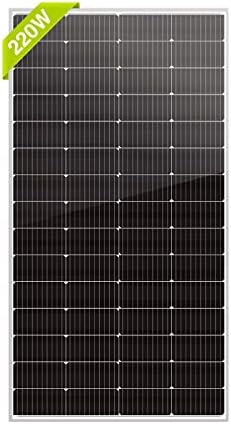
When most people think about solar energy, the image of sleek panels on rooftops comes to mind. This traditional approach to solar harnesses the sun’s rays to produce electricity for homes and businesses. The installation of rooftop solar panels can dramatically reduce electricity bills and provide a clean energy source.
Many organizations also offer incentives, such as tax credits and rebates, making the switch to solar more achievable for the average homeowner. Websites like the Database of State Incentives for Renewables & Efficiency (DSIRE) can help you locate applicable incentives in your area.
#### 2. **Solar Farms: A Community Solution**
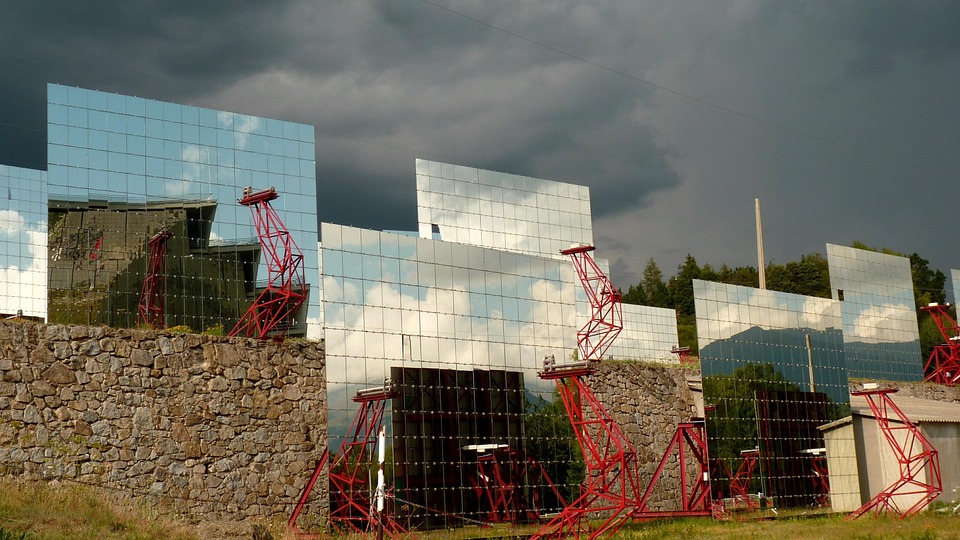
Not everyone has the roof space or the right conditions for solar panels, but that doesn’t mean they can’t benefit from solar energy. Enter solar farms: large-scale solar installations that provide renewable energy to communities. These farms can be built on unused land, providing a dual solution for both energy needs and land use.
In many cases, local governments or cooperatives can invest in these farms, which allows community members who may not have the means to install panels on their property to still reap the benefits of solar energy.
#### 3. **Agricultural Applications: Powering the Fields**
Farmers have embraced solar power in groundbreaking ways. From pumping water to powering irrigation systems, solar technology offers diverse applications in agriculture. Imagine solar-powered pumps drawing water from deep wells, ensuring that crops receive the necessary hydration without exorbitant electrical costs.
Some farms have also integrated solar panels into greenhouses, with panels installed overhead to provide both shelter and energy. This innovative approach not only provides power but can also help regulate temperature and protect plants from environmental stressors.
#### 4. **Solar-Powered Gadgets: Small Yet Mighty**
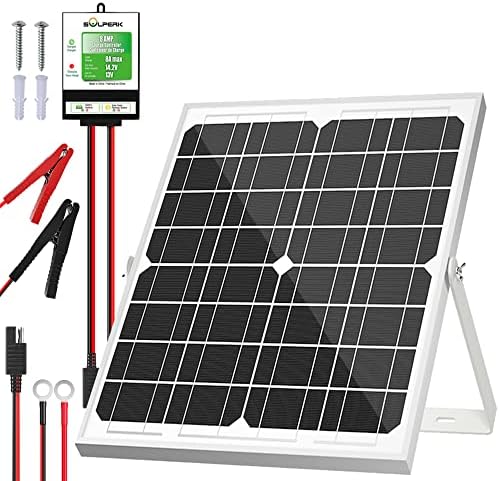
Portable solar chargers for gadgets are becoming increasingly popular. Whether it’s for charging cell phones, cameras, or other electronics, these handy devices use the sun’s energy to ensure that you stay connected while on the go. Camping enthusiasts and hikers often rely on solar-powered gadgets, allowing them to bring the convenience of technology into remote locales without the need for traditional energy sources.
#### 5. **Solar Water Heating Systems: Hot Water, Green Energy**
Water heating is a substantial energy expenditure in many households and industries. Solar water heating systems use the sun to heat water directly, providing hot water for bathing, cooking, and even for heating swimming pools. These systems can cut energy costs significantly and are particularly beneficial in sunny climates.
### Pro Tips for Maximizing Solar Power Usage
To make the most of solar power, consider these practical tips:
– **Evaluate Energy Needs:** Before committing to solar power, conduct an energy audit to determine how much energy you require. This will help in selecting the right system and size.
– **Choose the Right System:** Consider your location, budget, and energy needs. Research local solar providers and get multiple quotes.
– **Maintain Your Panels:** Regularly clean your solar panels to ensure maximum efficiency. Dust or debris can hinder energy production.
– **Consider Battery Storage:** Invest in battery storage systems to store excess energy generated for use during non-sunny hours or emergencies.
– **Stay Informed:** Keep an eye on changing regulations and incentives regarding solar energy in your area. These can change and may provide new opportunities for savings or installations.
### The Bright Future of Solar Power
As technology continues to evolve, so do the applications of solar power. With advancements in battery technology, solar energy storage is becoming increasingly viable, allowing homeowners and businesses to utilize collected sunlight even when the sun isn’t shining. Innovations in solar technology, such as solar panels that mimic the photosynthesis process and transparent solar cells for windows, suggest an exciting future is on the horizon.
Communities across the globe are beginning to recognize the transformative power of solar energy, not only for reducing carbon footprints but also for economic development and job creation in the renewable energy sector. Schools, hospitals, and local governments are exploring ways to integrate solar power into their infrastructure, leading to long-term sustainability.
### Conclusion: Empowering Our Lives With Solar Power
From rooftops to fields, the applications of solar power are diversifying, making it more accessible and practical for everybody. Whether you’re looking to save on energy costs, reduce your carbon footprint, or harness the sun’s power for agricultural innovation, there’s a niche for everyone in the solar revolution. As we continue to embrace and innovate within renewable energy, solar power stands as a beacon of hope for a brighter and more sustainable future.
So, grab that solar charger for your next hike, explore the possibilities of solar farms in your community, and consider how solar power could transform not only your home but the world around you. The sun is out—let’s make the most of it!