
# Shining Bright: The Ultimate Guide to Off-Grid Solar Systems
In the quiet of the mountains, where the only sounds are the whispering winds and chirping crickets, I discovered the beauty of living harmoniously with nature. Picture this: a warm, golden sunrise peeking through the trees, illuminating my little cabin, where coffee brews in a kettle heated by the very sun itself. This isn’t just a dream; it’s the daily life made possible by my off-grid solar system. From the thrill of harnessing the sun’s power to the serenity of self-sufficiency, living off the grid with solar energy is an adventure worth exploring!
### The Basics of Off-Grid Solar Systems
Traditional energy sources often divert us from the beauty of self-sustaining living. Off-grid solar systems represent not only a significant step towards independence but also a commitment to a more sustainable future. Here’s what you need to know!
#### What Is an Off-Grid Solar System?
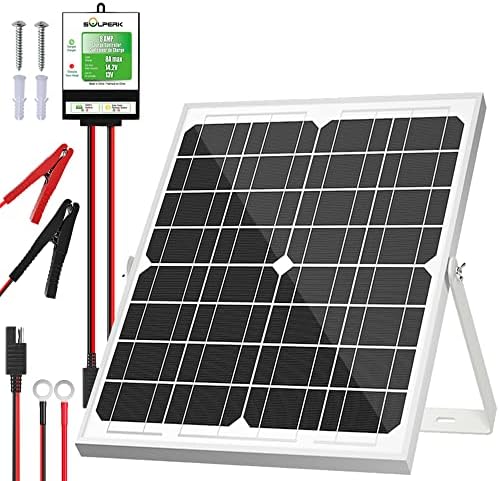
An off-grid solar system is a renewable energy setup that generates, stores, and uses solar power without reliance on a central power grid. This system typically includes solar panels, a charge controller, batteries for energy storage, and an inverter. Together, these components work in tandem to provide all the energy you need for daily living.
#### Why Choose Off-Grid Solar?
1. **Independence**: No more monthly utility bills or outages. You generate your own power!
2. **Sustainability**: Reduce carbon footprints and contribute positively to the environment.
3. **Cost Efficiency**: After the initial investment, solar energy is practically free!
4. **Adventure**: Living off the grid can be an exciting lifestyle choice, making every day a new adventure.
5. **Maintenance**: Solar systems typically require minimal maintenance, and their longevity means you can enjoy the benefits for years.
### Components of an Off-Grid Solar System
Here’s a closer look at the essential parts of an off-grid solar setup:
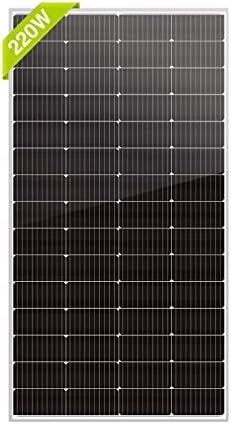
#### 1. Solar Panels
These are your power generators. Solar panels capture sunlight and convert it into electricity. When choosing solar panels, consider factors such as efficiency ratings, durability, and warranty periods. Generally, polycrystalline and monocrystalline panels are popular options, each with unique advantages.
#### 2. Charge Controller
This component prevents overcharging the battery bank, thus prolonging the life of your batteries. It ensures that the energy harvested by the panels is efficiently directed to the batteries.
#### 3. Battery Bank
The heart of any off-grid solar system. These batteries store energy for use during cloudy days or nighttime. Lithium-ion and lead-acid batteries are the two prominent types, each presenting its pros and cons concerning cost, lifespan, and energy capacity.
#### 4. Inverter
An inverter converts DC (direct current) electricity from the solar panels and batteries into AC (alternating current) electricity, which is the form most household appliances require.
### Installing Your Off-Grid Solar System
Embarking on the journey to self-sufficiency begins with careful planning and installation.
#### Site Assessment
Choose a location with optimal sunlight exposure. Inspect for shade from trees or buildings, and ensure your solar panels will have a clear path to the sun.
#### Sizing Your System
Calculate your energy needs by assessing the wattage of all appliances you intend to use. This will help you determine how many solar panels and batteries you’ll need.
#### DIY or Professional Installation?
While DIY can save money and provide a great learning experience, hiring experienced professionals ensures safety and effectiveness in installation. Be honest about your skill level and comfort with electrical work.
### Pro Tips for Off-Grid Solar Success
1. **Monitor Your Energy Usage**: Keep track of how much power you consume and continuously look for ways to decrease usage.
2. **Invest in Quality Equipment**: Prioritize high-efficiency solar panels and reliable batteries to maximize your system’s lifespan and performance.
3. **Consider Backup Solutions**: Sometimes the weather isn’t on your side. Having a generator or alternative energy source can be a lifesaver during emergencies.
4. **Stay Educated**: Renewable energy is a rapidly evolving field. Keep yourself updated on the latest technology, techniques, and regulations.
5. **Invest in Energy-Efficient Appliances**: From LED lights to Energy Star rated refrigerators, energy-efficient appliances can significantly reduce the strain on your solar system.
### Living Off-Grid: Daily Life and Energy Management
Living off the grid isn’t just about having a solar system; it’s a lifestyle shift. Here are some concepts to embrace:
#### Energy Management Practices
– **Laundry**: Use a manual or energy-efficient washing machine and hang your clothes to dry.
– **Cooking**: Invest in a propane stove or use solar ovens for cooking.
– **Heating**: Wood stoves can provide warmth and reduce energy expenditure during the colder months.
#### Embracing Minimalism
Living off the grid often involves essentialism. The fewer gadgets and appliances you rely on, the easier it is to live sustainably. Focus on multifunctional items, and reduce clutter to create a serene living space.
### Overcoming Challenges
No adventure is without its challenges. Here are a couple of common hurdles and how to navigate them:
#### Weather Limitations
Adverse weather conditions can limit solar energy production. Prepare by ensuring your battery bank is adequately sized and consider alternative heating or energy solutions during extended periods of poor sunlight.
#### Initial Costs
The startup cost of an off-grid solar system can be considerable. However, financing options, tax incentives, and rebates can significantly reduce the initial financial burden. Conduct thorough research on local and federal incentives.
### The Future of Off-Grid Living
The rise of off-grid solar living is becoming more popular as more people seek sustainability and independence. The tech industry continually innovates in solar efficiency and energy storage, paving the way for better, more accessible systems.
### Conclusion
Living off the grid with a solar system transforms not just how you power your home but how you interact with the world around you. The journey is as enriching as it is practical, merging a love for nature with a commitment to sustainability. With a sprinkle of adventure, a dash of enthusiasm, and an understanding of the essential components, anyone can step into the vibrant world of off-grid living!
—
Embracing an off-grid solar system can lead you to a lifestyle filled with freedom, responsibility, and a harmonious connection with nature. Are you ready to make the leap? The sun is waiting to shine on your adventure!