
### Solar Power in Urban Areas: Maximizing Energy in Limited Spaces
Every morning, the sun breaks through the skyline, casting shimmering light on the rooftops and bustling streets of urban life. I still vividly remember the moment I installed my first solar panel on my compact city rooftop. Surrounded by towering buildings and concrete, the realization hit me: even in the heart of the hustle and bustle, nature can still flourish! I was not just gaining electricity; I was tapping into a sustainable resource that would transform my relationship with energy consumption. This experience ignited a passion for solar power in urban environments, a passion I hope to share with others looking to harness the sun’s energy, even in limited spaces.
### Understanding Urban Solar Power
Urban areas are often characterized by limited space, which can make solar installation seem daunting. However, the rising need for sustainable energy sources has enabled innovative solutions specifically designed for metropolitan landscapes. The beauty of solar power lies in its adaptability. From rooftops to balconies and even walls, solar technology can fit into almost any urban setting.
#### Solar Technologies for Urban Areas
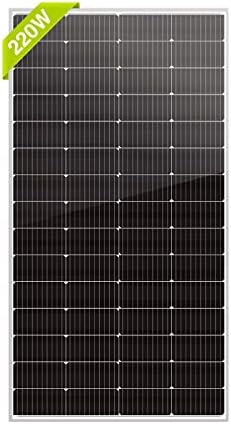
1. **Rooftop Solar Panels**: Most traditional and widely recognized. Installing panels on your rooftop can provide significant power, especially in places with minimal shading.
2. **BIPV (Building-Integrated Photovoltaics)**: These are solar components integrated directly into building materials, such as windows and facades. They provide aesthetic value while generating energy.
3. **Solar Canopies**: For those in urban areas with limited rooftop space, carports or outdoor structures can be transformed into solar canopies. They not only harness sunlight but also provide shade.
4. **Solar Roof Tiles**: An innovative alternative to conventional panels, these tiles seamlessly integrate into your roof’s design while producing energy.
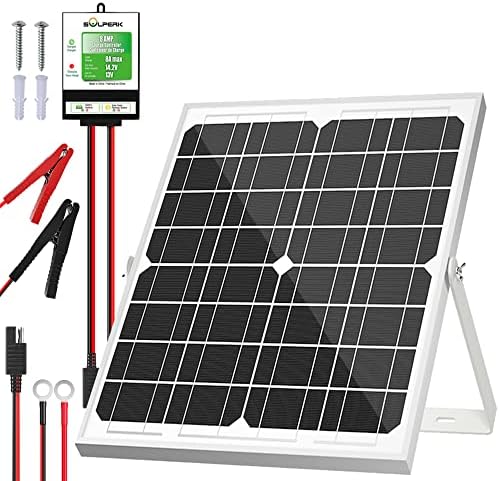
5. **Portable Solar Panels**: Ideal for renters or those who move frequently. Lightweight and easy to set up, they can be used wherever you have access to sunlight.
### Benefits of Solar Power in Urban Areas
1. **Cost Savings**: Transitioning to solar energy can significantly reduce or even eliminate your electricity bills. In densely populated areas, savings can accumulate quickly.
2. **Environmental Impact**: By opting for solar power, urbanites contribute to reducing greenhouse gas emissions and reliance on fossil fuels.
3. **Energy Independence**: Generating your own power means less dependence on the grid. Whether it’s for everyday use or emergencies, having solar power provides peace of mind.
4. **Increased Property Value**: Homes equipped with solar energy systems often see a rise in market value, making it a wise investment for homeowners.
5. **Job Creation**: The expansion of solar power initiatives in urban areas contributes to local job growth in installation, maintenance, and related industries.
### Overcoming Urban Challenges
Urban environments present unique challenges that can obstruct solar energy adoption. From zoning laws to limited sunlight access, understanding how to address these issues is integral for maximizing solar energy potential.
1. **Zoning Regulations**: Many cities have restrictions on solar panel installations. Research your local laws to understand what’s allowable in your area. Consider lobbying for more favorable policies if necessary.
2. **Shade Management**: Tall buildings and trees can create shadows that obstruct sunlight. Understanding your environment and optimizing your installation can mitigate this issue. Tools like solar pathfinders help analyze sunlight access each day.
3. **Utility Interconnection**: Interacting with your local utility provider may influence your solar experience. Ensure you’re aligned on net metering and any potential feedback into the grid.
### Pro Tips for Urban Solar Success
1. **Evaluate Your Roof**: Inspect the condition, angle, and size of your roof to determine solar panel compatibility. Shade analysis tools can help visualize sunlight access.
2. **Consult Professionals**: Work with certified contractors who specialize in urban solar installations. Their expertise can simplify the process and ensure compliance with local regulations.
3. **Community Solar Programs**: If rooftop installation isn’t feasible, consider joining a community solar program. These initiatives allow multiple households to share a single solar installation, making it a great alternative.
4. **Battery Storage**: Pair your solar system with battery storage. This provides energy during nighttime or cloudy days, greatly improving your energy independence.
5. **Stay Connected**: Join local solar and energy groups to stay updated on best practices, new technologies, and regulatory changes. Community discussions can also provide support and inspiration.
### Solar Power Myths – Debunked!
Many myths surround solar energy, particularly in urban settings. Addressing these misconceptions is critical for encouraging adoption.
– **Myth 1: Solar Panels Don’t Work in Urban Areas**: While heavy shading can affect performance, many solar technologies are designed to function effectively even in less-than-ideal conditions.
– **Myth 2: Solar Power is Too Expensive for City Dwellers**: The upfront costs can seem daunting, but financing options and incentives can dramatically reduce expenses.
– **Myth 3: Solar Energy is Not Reliable**: Solar power systems can be supplemented with battery storage, ensuring a consistent energy supply regardless of weather conditions.
– **Myth 4: Residential Use is Unfeasible in Major Cities**: From high-rise apartments to mixed-use buildings, innovative designs and technologies enable considerable solar energy generation in urban settings.
### The Future of Solar Power in Urban Areas
As technology advances, solar power holds incredible promise for urban landscapes. Innovative strategies like solar equity initiatives aim to ensure low-income households can also benefit from solar technology. Urban planners and architects are increasingly focusing on sustainable designs, incorporating solar solutions from the ground up.
With a collective effort toward sustainability, urban areas can transition from energy consumers to energy producers, creating a more resilient and eco-friendly future. Solar power is no longer a luxury; it has become a feasible, smart solution for cities looking to embrace renewable energy and combat climate change.
### Conclusion
There’s a vibrant energy in the world of urban solar power, driven by innovation, community spirit, and a deep-rooted desire for sustainability. Whether you’re a homeowner, a tenant, or a city planner, there’s an opportunity to be a part of this movement. Transitioning to solar power may require some strategic planning, but with the right steps, it can lead to a healthier, more sustainable urban environment. So, let the sun shine down, energizing our cities in ways that were once thought impossible!
Harness that power and let it illuminate your life in new and exciting ways. The solar revolution in urban areas is just beginning. Don’t miss the opportunity to be part of it!