
### The Cost of Going Solar: A Breakdown of Installation and Long-Term Savings
Ever since I installed solar panels on my home, I’ve relished the freedom they’ve provided—not just from high electric bills, but from a complicated energy grid. Picture this: sunny days where all my appliances hum cheerfully, powered by the sun’s rays, while I enjoy my morning coffee on the porch without thinking twice about energy costs. However, before that dream became a reality, I had to grapple with the cost of going solar, understand installation nuances, and evaluate long-term savings. Ready to dive into the solar revolution? Let’s break it down!
#### Understanding the Initial Costs
**1. The Purchase Price of Solar Panels**
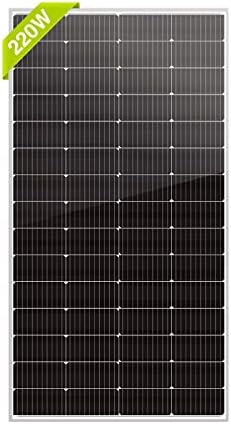
The initial investment in solar panels can seem daunting, often ranging from **$15,000 to $30,000** depending on the size of your home and your energy needs. A typical residential system falls in the range of **6 to 10 kW**. It’s essential to calculate your average energy consumption to determine how much power you’ll need.
**2. Installation Charges**
Labor costs can vary widely by region, but expect to pay between **$3,000 to $6,000** on top of the panel cost for installation. Choosing an experienced local contractor can ensure quality work, which pays off in the long run. Additionally, some companies offer warranties that can give you peace of mind.
**3. Additional Equipment**
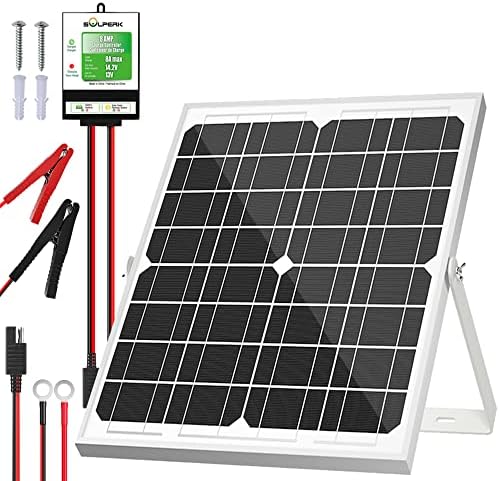
Beyond panels and installation, additional equipment such as inverters, battery storage (if you choose to go that route), and mounting hardware adds to the total cost. On average, you might spend an extra **$2,000 to $5,000** on these components.
#### Incentives and Rebates
**1. Federal Tax Credit**
One of the most impactful ways to ease the financial burden is the **Federal Solar Investment Tax Credit (ITC)**, which allows you to deduct **26% of the cost** of your solar system from your federal taxes. This means for a $20,000 system, you could save around **$5,200**!
**2. State and Local Incentives**
Many states offer additional rebates, credits, or incentives to make solar even more affordable. Research your local programs—some states take it a step further with performance-based incentives, paying you for every kWh your system generates.
**3. Net Metering**
Through a process known as **net metering**, you can sell excess electricity generated by your system back to the grid. This can significantly lower your utility bills, making solar a viable financial strategy.
#### Breaking Down Long-Term Savings
**1. Reduced Energy Bills**
Once your system is up and running, your energy bills could drop dramatically. Some homeowners report saving **$1,200 to $2,000 annually**! Depending on your local energy rates, you could break even in **5 to 10 years**.
**2. Increase in Property Value**
Research shows that homes with solar systems can sell for about **4.1% more** than similar homes without solar energy. This is particularly true in areas where energy efficiency is highly coveted. So, not only are you saving money during your time in the home, you’re also increasing its value for future buyers.
**3. Inflation Hedge**
Solar energy provides a buffer against the rising costs of electricity. With traditional energy costs rising due to various factors, having your own energy source protects you from these fluctuations. The sun is free—embracing solar means you’re locking in lower energy costs for years to come.
#### The Hidden Costs
While many costs are straightforward, there are a few hidden costs to keep in mind:
**1. Maintenance**
Solar panels are quite hardy, but they do require periodic maintenance to ensure maximum efficiency. Budget for small annual inspections totaling around **$150 to $300**. This will keep your panels clean and functioning well.
**2. Battery Replacement**
If you opt for battery storage, be prepared for the cost of replacements every 5 to 15 years, depending on the type of battery you choose. Lithium-ion batteries, for instance, while efficient and durable, can be on the expensive side, ranging from **$7,000 to $15,000**.
#### Pro Tips for Going Solar
– **Do Your Research**: Understand your energy needs and research different systems and contractors.
– **Consider Alternatives**: If outright purchasing seems prohibitive, look into leasing options or solar power purchase agreements (PPAs).
– **Combine with Energy Efficiency**: Before installing solar, invest in energy-efficient appliances and insulation to reduce overall energy consumption.
– **Plan for the Future**: Consider whether your energy needs might change (e.g., adding new appliances, electric vehicles) and plan accordingly.
#### Conclusion
While the initial costs of going solar may seem high, the long-term savings and benefits can far outweigh the down payment. With robust incentives available, reduced energy bills, increased property value, and a step towards sustainability, investing in solar makes financial sense. As I sit on my porch, sipping coffee powered by sunshine, I can confidently say that choosing to go solar has been one of the best decisions I’ve made.
Investing in solar is not just about cutting costs—it’s your chance to join a growing movement toward sustainable living and energy independence. So why not explore how you can harness the endless power of the sun? Every gradual step can lead to a shine-filled future of savings and sustainability!