
### The True Cost of Going Solar: Upfront Expenses and Long-Term Savings
When I first contemplated switching to solar energy, my excitement was palpable. Standing in my backyard, gazing at the sun-soaked sky, I hoped to harness that golden orb for my energy needs. However, the journey wasn’t just about slapping some panels on the roof. It was an expedition into a world of upfront costs, long-term savings, and a tiny dose of reality. Let’s dive into the true cost of going solar and how it can redefine your relationship with energy consumption.
#### Decoding the Upfront Expenses
**1. Initial Investment**
Opting to go solar often begins with a hefty initial investment. The average cost of a solar panel system in the United States is between $15,000 and $25,000 after tax credits, depending on the system’s size and location. Considering this amount might feel staggering, it’s essential to understand what you’re paying for:
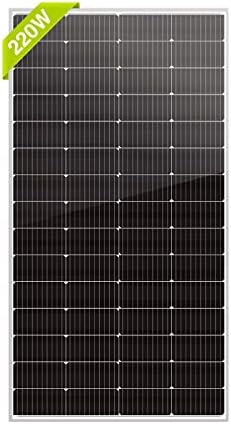
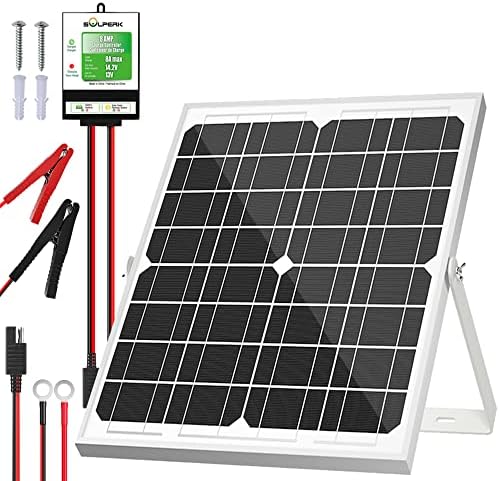
– **Solar Panels:** The heart of the system, typically accounting for 30-50% of the total cost. Panels can vary in efficiency and price.
– **Inverters:** These convert the sunlight captured by the panels into usable electricity. Quality inverters matter, as their lifespan significantly impacts overall system performance.
– **Installation Costs:** Labor charges can add another 10-20% to your budget, depending on roof complexity, location, and installer expertise.
– **Permits and Inspections:** Local regulations require various permits that might also include inspection fees, adding to the upfront costs.
Don’t let these figures intimidate you! Many people consider financing options to mitigate these expenses, making it more manageable.
**2. Financing Options**
If paying upfront isn’t feasible, financing your solar system can offer flexibility. Some popular options include:
– **Solar Loans:** Typically offered by banks or credit unions, these loans allow you to pay for your solar system over time while still benefiting from energy savings.
– **Leases and Power Purchase Agreements (PPAs):** These allow you to use solar energy without the high upfront cost. In these instances, a third party owns the system and you pay either a fixed monthly lease or a rate per kilowatt-hour of energy produced.
Whichever route you take, it’s vital to crunch the numbers to see what’s best for your financial situation.
#### The Long-Term Savings
Now that we’ve tackled the initial hurdles, let’s focus on the bright side—long-term savings. After the upfront investment, homeowners often find themselves reaping the financial fruits of their decision.
**1. Energy Savings**
Once your solar panels are installed, many people notice a significant reduction in their monthly energy bills. In fact, homeowners can save anywhere from 50% to as much as 100% on their energy bills, depending on their system size and local energy prices.
Consider this scenario: A home with a monthly electricity bill of $150 could save around $1,800 annually. Over a 25-year period, that leads to a staggering $45,000 in savings!
**2. Increase Home Value**
Homes equipped with solar panels often see an increase in market value. According to various studies, properties with solar energy systems tend to sell for 4-6% more than those without. This added value can be particularly advantageous if you plan to sell your home anytime soon.
**3. Tax Incentives and Rebates**
The federal solar tax credit (ITC) offers a whopping 26% tax credit on the total cost of your solar energy installation, which can significantly reduce your initial investment. Many states and local governments have additional incentives, making the switch even more appealing. Be sure to research your local offerings to maximize your benefits!
#### Breaking Down the Costs Over Time
To truly understand the financial implications, consider calculating the payback period for your solar investment. The payback period is defined as the time it takes for your energy savings to equal your initial investment. Here’s how to do it:
1. **Total Cost of Installation**: (Cost of Panels + Installation + Permits)
2. **Annual Energy Savings**: (Current Energy Bill Amount)
3. **Payback Period**: Total Cost of Installation ÷ Annual Energy Savings
For example, if your installation costs you $20,000, and you save $1,800 annually, your payback period is approximately 11 years. After that point, you’re effectively reaping the rewards!
#### Environmental Impact and Beyond
While this article centers on financial aspects, the environmental benefits of solar energy cannot be ignored. Shifting to solar reduces your carbon footprint, conserves natural resources, and contributes to a more sustainable future. It’s a win-win, blending savings with stewardship.
#### Pro Tips for Going Solar
1. **Get Multiple Quotes**: Don’t settle for the first estimate. Obtain multiple quotes to ensure you’re getting the best deal. Look for reputable installers with strong customer reviews.
2. **Understand Your Energy Needs**: Analyze your current energy consumption to determine the appropriate system size. Utilities often provide historical usage data, which can be helpful.
3. **Know Your Local Regulations**: Familiarize yourself with local permits and regulations to avoid unexpected hurdles during installation.
4. **Consider Battery Storage**: For true energy independence, consider investing in battery storage. This allows you to store excess energy for nighttime use, increasing savings even further.
5. **Stay Updated on Government Policies**: Solar incentives can change. Regularly check for updates on tax credits, rebates, and incentives that could impact your decision.
#### Conclusion: A Bright Future Awaits
The true cost of going solar involves a thoughtful examination of both upfront expenses and long-term savings. While the initial investment may seem daunting, the financial benefits, environmental sustainability, and potential increase in home value make it a venture well worth considering.
Embrace the power of the sun, unlock your savings, and let the journey towards energy independence illuminate your path! Be proactive, stay informed, and, most importantly, enjoy the ride toward a brighter future—both figuratively and literally!
By taking the plunge into solar energy, you’re not just investing in your home; you’re investing in a cleaner, greener planet for generations to come. Solar power is more than just a trend; it’s a sustainable lifestyle choice you can feel good about!