# The Myths and Realities of Off-Grid Solar Living
Dawn broke over the horizon, the first rays of sunlight streaming through a canopy of oak trees. Birds chirped their morning songs, and as I stepped outside, I could feel the cool, crisp air on my skin. This was my sanctuary, a small cabin surrounded by nature, where I had chosen to live off the grid. Each morning was a reminder of why I had embraced this lifestyle—freedom, self-sufficiency, and a connection to the earth. Yet, as I navigated through my solar-powered existence, I found myself encountering myths and realities that both fascinated and challenged me. Let’s dive into the vibrant world of off-grid solar living, separating facts from fiction.
## Myth 1: Off-Grid Living Means Constant Hardship
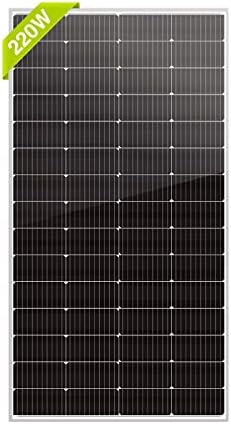
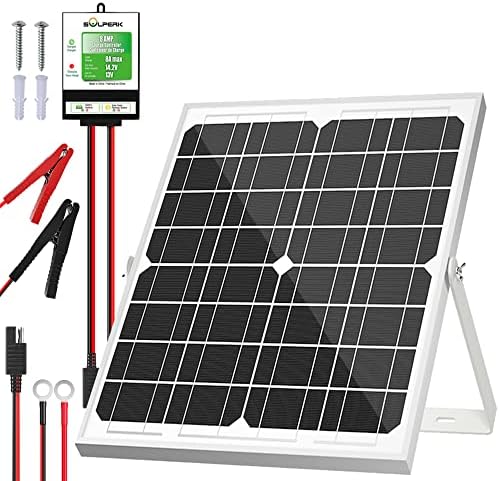
Many believe that going off the grid is synonymous with a life of hardship, devoid of modern comforts. But the reality is far different. Yes, there are challenges—cultivating your food, maintaining your energy systems, or fixing that old water pump can be hard work. However, modern technology has made off-grid living much more comfortable. Solar panels, for example, can power everything from lights to refrigerators, and innovative water filtration systems ensure that you can enjoy clean drinking water with ease.
### Pro Tip:
Invest in high-efficiency solar panels. They may require a larger upfront investment, but they can significantly reduce your long-term costs and energy needs.
## Myth 2: You Need Perfect Weather for Solar Energy
Many fear that living off the grid, particularly using solar energy, is only feasible in areas with constant sunshine. Although sunny days are a boon for solar panels, modern technology allows solar energy systems to be effective even in overcast conditions. In fact, solar panels can still generate power with as little as 25% of direct sunlight!
### Reality Check:
One of the most common practices is to pair solar panels with battery storage systems. This means you can store energy generated on sunny days for use during cloudier periods or at night.
### Pro Tip:
Consider a hybrid system that includes a backup generator. This can provide peace of mind during those less-than-sunny days and ensure that you’re never left in the dark.
## Myth 3: Off-Grid Living Is Only for the Tech-Savvy
The stereotype of the off-grid dweller often includes an image of a tech-savvy individual who knows their way around every circuit and code. In reality, you don’t need to be a tech wizard to successfully live off the grid with solar energy. Educational resources are abundant, from online forums to local workshops, making it easier for anyone to grasp the basics of solar setups.
### Reality Check:
Communities focused on sustainable living thrive on sharing knowledge, and many people find mentorship in fellow off-gridders who are eager to share their expertise.
### Pro Tip:
Start small! Begin with basic systems and gradually expand your solar setup as you gain confidence and experience. It’s a learning process.
## Myth 4: Off-Grid Living Is Extremely Expensive
Initially, the cost of solar panels and other off-grid systems can seem daunting. However, consider this: traditional utility bills add up over time, while solar energy provides a long-term solution that can ultimately save money. Furthermore, many states offer incentives and tax rebates for those who make the switch to renewable energy, significantly lowering initial costs.
### Reality Check:
Once your solar system is installed, your energy costs could be reduced to near zero, creating substantial savings over the years.
### Pro Tip:
Look into local and federal rebates when purchasing solar panels. Realizing these savings can dramatically improve your return on investment.
## Myth 5: You Have to Be Isolated to Live Off the Grid
The idea that off-grid living is synonymous with isolation is one of the most persistent myths. While some off-gridders may choose remote locations, many live happily within vibrant communities that celebrate sustainable living. These communities often share resources, knowledge, and support systems, making off-grid living a community affair rather than a solitary one.
### Reality Check:
Living off the grid can foster strong relationships with neighbors who share similar values about sustainability and self-reliance. Potlucks, tool-sharing, and cooperative gardening are just a few ways off-gridders come together.
### Pro Tip:
Seek out local off-grid communities or groups. They can provide invaluable insights and support, helping you to navigate this new lifestyle.
## Myth 6: Off-Grid Living Is Hazardous
Some may believe that living off the grid means facing constant danger—wild animals, natural disasters, or equipment malfunctions. While these concerns are valid, they aren’t unique to off-grid living. Traditional homeowners face similar risks, but the key is preparation and education.
### Reality Check:
Living off the grid often encourages a deeper relationship with nature and a better understanding of local wildlife and ecosystems. With proper planning and precautions, many risks can be effectively managed.
### Pro Tip:
Take emergency preparedness seriously. Prepare a comprehensive plan for emergencies, including first aid supplies, communication tools, and knowledge of your local environment.
## Myth 7: You Lose Access to Medical and Emergency Services
Another common misconception is that living off the grid means sacrificing access to essential services like medical care. While it’s true that remoteness can pose challenges, many off-grid dwellers find creative solutions.
### Reality Check:
Telemedicine has surged in popularity and can bridge the gap between rural living and healthcare access. Many off-gridders also choose locations that are a manageable distance from hospitals and clinics.
### Pro Tip:
Have a reliable means of transportation and keep emergency contact numbers handy. Know the routes to the nearest medical facilities ahead of time.
## The Joys of Off-Grid Solar Living
Having tackled the myths, let’s bask in the realities that make off-grid solar living truly unique and rewarding:
1. **Self-Sufficiency**:
There’s an unparalleled sense of pride in producing your own energy, growing your own food, and sustaining your household. The confidence gained through self-reliance is empowering.
2. **Environmental Impact**:
Choosing solar energy is undeniably one of the best ways to reduce one’s carbon footprint. You’re not just living sustainably for yourself; you’re contributing to a healthier planet.
3. **Connection to Nature**:
Living off the grid often means being more in tune with natural cycles—understanding the weather, the seasons, and the land you inhabit. This connection enhances appreciation for nature.
4. **Simplicity and Mindfulness**:
Off-grid living encourages a simpler, less consumer-driven lifestyle. It allows you to prioritize what truly matters, focusing on experiences rather than possessions.
5. **Community Engagement**:
Many off-grid dwellers form tight-knit communities, sharing resources and support. This sense of belonging is enriching, and you may find friendships that last a lifetime.
## Concluding Thoughts
Off-grid solar living is a journey filled with myths, realities, and endless opportunities for growth. While challenges exist, the rewards far outweigh them. By arming yourself with knowledge, embracing a flexible mindset, and connecting with community, you can truly thrive in this sustainable way of life. The sun will rise and set, and with the right approach, your off-grid solar adventure may just outshine all the myths.
### Final Pro Tips:
– **Educate Yourself**: Dive into books, documentaries, and online resources to stay informed.
– **Stay Flexible**: Embrace unexpected changes and challenges; adaptability is key.
– **Network**: Build connections with local off-gridders for support and shared resources.
Are you ready to break free from the grid? The sun is shining, and your journey awaits!