
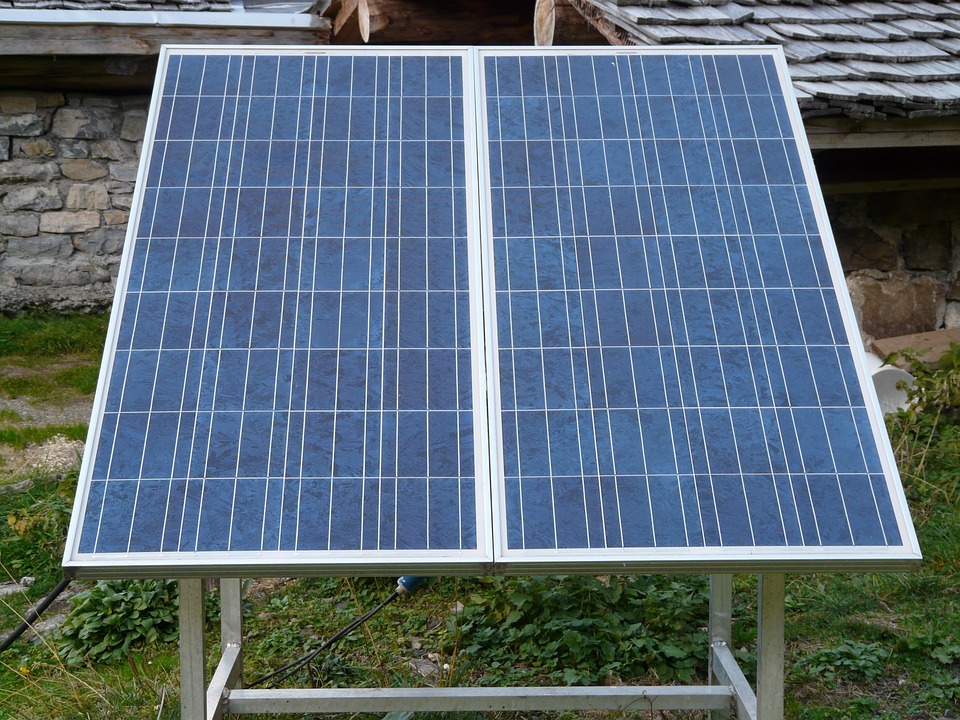
Off Grid Living

solar panels

**Economics of Solar Energy: Costs, Savings, and Incentives Explained**

# Economics of Solar Energy: Costs, Savings, and Incentives Explained When the sun rises over the horizon, it’s not just a daily miracle; it’s a booming economic opportunity. Picture this: the warm glow of morning sunlight streaming onto your home’s rooftop, powering your entire household, reducing your bills, and giving you an undeniable sense of independence. That’s the magic of solar energy! It’s an exciting topic that blends technology, finance, and lifestyle—all wrapped into one green package. Let’s dive into the economics of solar energy and break down the costs, savings, and incentives that can make it an appealing choice for anyone looking to harness the sun’s power! ## Understanding the Initial Costs of Solar Energy ### Solar Panel Installation Costs Investing in solar energy begins with installation costs. While initial expenses may seem daunting, prices have plummeted in recent years, making solar more accessible. The average cost per watt for solar energy systems has dropped by nearly 70% since 2010. Depending on your location and energy requirements, a typical residential solar system can range from $15,000 to $30,000 before incentives. But don’t let those numbers scare you just yet. ### Types of Solar Technologies 1. **Photovoltaic (PV) Systems**: These collect sunlight and convert it into electricity. Available in various efficiencies, choosing the right type can optimize your output and costs. 2. **Solar Thermal Systems**: Primarily used for heating water, these can save substantially on energy bills, especially in areas with high hot water demands. 3. **Community Solar Projects**: If you’re not ready to install panels on your roof, consider investing in or joining a community solar garden. This reduces installation costs by sharing expenses among participants. ### Other Installation Factors – **Roof Type**: A roof that’s south-facing and free from shading will yield the best results. If your roof requires modification, additional costs will arise. – **Permits and Fees**: Always account for local building permits, inspections, and interconnection fees with your utility provider. ## Long-Term Savings with Solar Energy ### Energy Bill Reductions Once your solar panels are installed, it’s time for the savings! Homeowners can expect to see a significant reduction—or even elimination—of their monthly energy bills. By generating your electricity, you’ll be substantially less reliant on your local utility. Depending on system size, some homeowners report saving $100 to $300 monthly! ### Energy Independence Not only does solar energy save you money, but it also offers energy independence. Prices for traditional energy sources fluctuate and can lead to unpleasant surprises. The sun is free, and it’s also remarkably reliable. By harnessing solar power, you’ll weather unpredictable energy markets with a smile. ### Increase in Property Value Studies show that solar installations can increase a home’s resale value by approximately 3-4%. Buyers are increasingly attracted to homes with sustainable energy solutions. When it’s time to sell, your investment becomes an attractive selling point. ## Financial Incentives for Going Solar ### Federal Solar Investment Tax Credit (ITC) One of the most significant motivations for going solar is the federal solar investment tax credit (ITC). This allows you to deduct a percentage of the installation costs from your federal taxes. As of 2023, the ITC offers a generous 30% deduction. This means if you invest $20,000 in a solar system, you could potentially claim $6,000 back on your taxes! ### State and Local Incentives Many states and municipalities offer additional incentives, such as rebates or performance-based incentives. Each state has different programs, so it’s worth investigating your local options. Resources such as the Database of State Incentives for Renewables and Efficiency (DSIRE) make exploring these incentives easy. ### Renewable Energy Certificates (RECs) When you go solar, you may generate renewable energy certificates (RECs) that can be sold to utilities needing to meet renewable energy standards. Selling RECs can provide another revenue stream on top of energy savings. ## Financing Options for Solar Energy ### Solar Loans For those who don’t have the upfront cash, solar loans can make the transition much more feasible. Options include unsecured personal loans or solar-specific loans that might offer better rates. Monthly payments can be tailored to fit your budget, allowing you to pay off your system over time. ### Power Purchase Agreements (PPAs) In a PPA, a third party installs and maintains your solar system, and you agree to buy the energy it generates at a fixed rate. This arrangement often allows for little to no money down, making this a popular option for homeowners who want to avoid high upfront costs. ### Leasing Options Similar to PPAs, leasing involves a third party, but you pay a fixed monthly fee for using the system rather than for the energy it produces. While this may reduce your savings compared to ownership, it still provides immediate benefits without upfront costs. ## Pro Tips for Maximizing Your Solar Investment 1. **Get Multiple Quotes**: Comparing quotes from different installers will help ensure you get the best deal. Look for companies with good reviews and a strong customer service track record. 2. **Ask About Local Incentives**: Local incentives can significantly impact your net costs. Be sure to inquire about any available programs in your area! 3. **Monitor Your Usage**: Keep an eye on your energy consumption before and after installing solar. You may find opportunities to save even more by adjusting your usage patterns. 4. **Consider Battery Storage**: Investing in battery storage can further increase your savings by allowing you to store excess energy for later use, helping you move closer to energy independence. 5. **Stay Informed**: The solar energy landscape is always changing. Regularly check for new incentives, technology advancements, and policy changes that could benefit you. ## Conclusion: The Bright Future of Solar Energy Economics The economics of solar energy is becoming increasingly favorable for homeowners looking to save money while also making an environmentally friendly choice. With dropping installation costs, significant long-term savings, and a plethora of incentives, there’s never been a better time to consider making the switch to solar. By understanding the costs,


farming and gardening

**The Intersection of Technology and Sustainability in Modern Farming**

# The Intersection of Technology and Sustainability in Modern Farming Picture this: It’s dawn in the countryside. The sun peeks over the horizon, gently illuminating a patchwork of lush green fields and vibrant crops, and the air is filled with a symphony of nature—birds fluttering, bees buzzing, and the soft rustle of leaves. Yet, in this not-so-distant pastoral paradise, technology hums alongside nature, ushering in a new era of farming that is both sustainable and efficient. This is the modern farming landscape where technology meets sustainability. ## The Rise of Tech in Farming In recent years, farming has emerged from its earlier, more traditional roots, embracing an evolving landscape where technology plays an essential role. From drones buzzing overhead to monitor crop health to apps that can predict weather patterns, these innovations are addressing age-old challenges farmers face while promoting sustainable practices. ### Precision Agriculture: The GPS Revolution One of the most transformative technologies in modern farming is precision agriculture, which utilizes GPS systems and data analytics to optimize field-level management. With precision agriculture, farmers can monitor soil health and moisture levels, determine the best times for planting, and even assess crop yields with unparalleled accuracy. By employing sensors and satellite imagery, farmers can create detailed maps of their fields, identifying which areas need more nutrients and which are thriving. This kind of targeted intervention not only boosts productivity but also significantly reduces waste. Instead of blanket applications of water, fertilizers, and pesticides, resources can be allocated where they matter most, resulting in healthier crops and a kinder impact on the environment. ### Drones: The Eye in the Sky Drones have swiftly moved from the realm of hobbyists to becoming invaluable allies in sustainable farming. These small, agile machines can survey vast fields from above, providing real-time data on potential crop diseases, pest infestations, and overall plant health. Farmers can conduct aerial assessments to identify problem areas without stepping foot in the fields, saving time and resources. Drones equipped with multispectral imaging can even evaluate crop vigor and nutrient levels, giving farmers the tools to make informed decisions about irrigation and treatment. This high-tech approach not only fosters sustainable practices but also helps in minimizing overdosing on chemicals, which can be detrimental not just to crops but the ecosystem as a whole. ### IoT and Smart Farming The Internet of Things (IoT) has revolutionized industries, and agriculture is no exception. Smart sensors built into the soil can measure moisture levels and nutrient content, sending data directly to farmers’ smartphones. This level of connectivity allows farmers to monitor conditions in real time, helping them make decisions that maximize yield while conserving resources. Automation, driven by IoT, also means that tasks like irrigation can be managed with greater efficiency. Smart irrigation systems can sense when crops need water and deliver just the right amount, reducing waste and conserving precious water resources. By combining technology with traditional farming wisdom, farmers can create a sustainable model that respects the land while meeting growing food demands. ### Renewable Energy in Agriculture While tech gadgets often steal the spotlight, renewable energy is another vital element at the intersection of technology and sustainability. Solar panels, wind turbines, and bioenergy systems are being integrated into farming operations, providing a clean energy alternative that reduces reliance on fossil fuels. Solar energy, for instance, can power irrigation systems, lights, and even farm equipment. By generating electricity on-site, farmers can cut energy costs, push towards self-sufficiency, and even sell surplus energy back to the grid. This not only enhances the sustainability of their operations but also aligns with a broader goal of reducing carbon footprints. ## Sustainable Practices Enhanced by Technology 1. **Crop Rotation and Diversity**: Technology aids in planning and implementing crop rotation strategies, which can improve soil health and biodiversity. Diverse crops can enhance soil fertility and reduce pest outbreaks, creating a resilient ecosystem. 2. **Organic Farming Apps**: Various mobile applications provide information on organic farming methods, helping farmers transition from conventional methods to sustainable practices. These platforms may include tips for composting, pest management, and natural fertilization methods. 3. **Vertical Farming**: Utilizing technology, vertical farms can function in urban environments, reducing land usage and transportation emissions. Utilizing LED lighting, smart nutrient systems, and climate control technology, vertical farming supports local food production while minimizing resource use. ## Pro Tips for Sustainable Modern Farming 1. **Embrace Smart Technology**: Invest in smart sensors for soil monitoring. Understanding your soil’s needs can help you apply the right inputs at the right times. 2. **Utilize Data Analytics**: Analyze crop data and market trends regularly to adapt to changing conditions. Platforms that visualize data can help you identify patterns over time. 3. **Foster Community**: Connect with local farmers’ networks, either online or in person. Sharing ideas and resources fosters a community where innovative sustainable practices can flourish. 4. **Participate in Workshops**: Attend farming workshops that emphasize technology and sustainability. Staying informed about the latest tools can give you an edge in sustainable farming. 5. **Experiment and Adapt**: Don’t be afraid to try new technologies or methods. Farming is an ever-evolving discipline, and those who adapt can thrive. ## The Future of Farming As climate change continues to impact agricultural practices globally, the integration of technology and sustainability will only become more crucial. It’s not merely about adopting the latest gadget; it’s about cultivating a holistic approach to farming that encompasses ecology, economy, and social responsibility. The beauty lies in the fact that technology does not replace traditional wisdom; rather, it complements and enhances it. As farmers adapt to this new wave of technology, they will find themselves at the forefront of a movement that values sustainability, innovation, and a deep-seated respect for the land. ### Cultivating Change Together At the intersection of technology and sustainability, farmers are not only feeding the world but also nurturing the planet. Each seed planted, each drone flight, and each drop of rain collected represents a commitment to a greener future. As we embrace this exciting confluence

farming and gardening

**Sustainable Agriculture: Bridging the Gap Between Ecology and Economy**

## Sustainable Agriculture: Bridging the Gap Between Ecology and Economy The sun rose over the dew-kissed fields, casting a golden hue that made everything shimmer with life. It was one of those magical mornings where nature seemed to beckon you outside. As I strolled through rows of heirloom tomatoes and fragrant herbs, I felt a deep connection not just with the plants, but with the earth itself. It struck me that sustainable agriculture isn’t merely a method of farming; it’s a way of life that balances the needs of our planet with our economic aspirations. This realization sparked an enthusiasm to share the vibrancy of sustainable practices that harmonize ecology and economy—an adventure that turns farming into an art form. ### What is Sustainable Agriculture? Sustainable agriculture is a holistic approach that combines farming, ecology, and economy to create a system that is not only productive but also beneficial for future generations. It strives to maintain and improve soil health, biodiversity, and water resources while ensuring that farming remains economically viable. At its core, sustainable agriculture focuses on three pillars: **Environmental health**, **Economic profitability**, and **Social equity**. By engaging with these interconnected components, sustainable farming helps create resilient ecosystems and vibrant communities. ### The Ecological Benefits 1. **Soil Health** Healthy soil is the foundation of sustainable agriculture. Organic matter, microorganisms, and the proper pH levels contribute to nutrient-rich soil that can sustain crops year after year. Techniques like composting, cover cropping, and crop rotation rejuvenate the soil. Many farmers have reported improved yields and reduced need for chemical fertilizers by embracing these practices. 2. **Biodiversity** Biodiversity is not just essential for ecosystems; it enhances agricultural resilience. Planting a variety of species can lead to better pest control naturally, as diverse crops attract beneficial insects and predators. Additionally, polycultures—growing multiple crops in a single area—can minimize the risks associated with monoculture, such as pest outbreaks or disease. 3. **Water Conservation** Sustainable farming techniques, such as drip irrigation and rainwater harvesting, drastically reduce water waste. By understanding the local ecosystem, farmers can optimize their water use, ensuring plants receive just what they need without draining valuable resources. Practices such as the use of drought-resistant crop varieties further enhance water efficiency, making agriculture more resilient to climate change. 4. **Carbon Sequestration** Agriculture can play a significant role in combating climate change through carbon sequestration. By adopting practices such as agroforestry, conservation tillage, and perennial cropping systems, farmers can sequester carbon in the soil, reducing atmospheric CO2 levels while improving soil quality. ### The Economic Advantages 1. **Cost Savings** Sustainable agriculture can cut long-term costs. By using organic practices and reducing the reliance on synthetic fertilizers and pesticides, farmers can lower input costs considerably. Additionally, many sustainable practices lead to healthier soils, which can yield more robust harvests in the long run. 2. **Market Demand** As consumers become increasingly aware of their ecological footprint, the demand for sustainably grown products rises. Farmers who adopt sustainable practices can tap into premium markets, often fetching higher prices for organic or sustainably sourced goods. This shift not only helps farmers but encourages more to adopt eco-friendly practices. 3. **Resilience to Market Changes** Sustainable farms, particularly those that diversify their crops and markets, are better equipped to withstand market fluctuations. A farm that produces a single crop may suffer greatly from crop failure or price drops. Conversely, diverse crops create multiple revenue streams, providing a buffer against economic hardships. 4. **Community Building** Sustainable agriculture often emphasizes local markets. Farmers can sell directly to consumers through farmers’ markets, or participate in community-supported agriculture (CSA) programs. These initiatives build community resilience, strengthen local economies, and create a closer connection between consumers and their food sources. ### Bridging the Gap: Community Engagement and Education Sustainable agriculture is not just about individual farmers; it’s a community endeavor. Agricultural extension services can educate farmers on sustainable practices, while schools can introduce students to gardening, fostering a culture of respect for natural resources from a young age. By nurturing a supportive local ecosystem through knowledge sharing, farmers can foster cooperation, share resources, and create networks that enrich their communities. Additionally, initiatives like urban agriculture and rooftop gardens can bring food production closer to consumers in urban areas. This not only reduces transportation emissions but also provides fresh produce to city dwellers, reinforcing the relationship between ecology and economy. ### Pro Tips for Sustainable Farming If you’re considering diving into sustainable agriculture, here are some pro tips to enhance your journey: 1. **Start Small** Rather than overwhelming yourself with a large farming operation, begin with a small garden. Experiment with different crops and sustainable practices before scaling up. 2. **Get to Know Your Soil** Understanding your soil is fundamental. Conduct soil tests to determine its makeup, pH, and nutrient levels. This information can inform your planting and fertilization strategies. 3. **Embrace Companion Planting** Identify plant combinations that naturally benefit each other. For example, planting marigolds with tomatoes helps deter pests while enhancing flavor. 4. **Utilize Organic Pest Control** Rather than resorting to chemical pesticides, explore natural remedies. Neem oil, diatomaceous earth, and beneficial insects can help keep pests at bay without harming the environment. 5. **Rotate Crops** Implement crop rotation to maintain soil health and reduce pest and disease buildup. Changing your planting schedule can help rejuvenate your land. 6. **Implement Perennials** Incorporating perennial crops, such as asparagus or rhubarb, can reduce your need for replanting each year, while naturally enriching the soil. ### Conclusion Sustainable agriculture is a vibrant tapestry where the threads of ecology, economy, and community interweave to create a promising future for farming. By viewing the land as a living ecosystem rather than just a resource to exploit, we can cultivate a relationship that nurtures both the planet and our livelihoods. The journey toward sustainable farming may be challenging, but the rewards—healthy soils, thriving communities, and a flourishing planet—are well worth the effort. So grab your gloves, dig in, and let’s cultivate a sustainable future together!

solar panels

**The Economic Impact of Solar Energy: Understanding Installation Costs and Savings**

## The Economic Impact of Solar Energy: Understanding Installation Costs and Savings Picture this: a sun-drenched morning, the gentle buzz of nature all around, and a cozy cabin that runs solely on solar energy. This isn’t just a dream for many; it’s becoming a vibrant reality. Solar energy has transformed my approach to living sustainably, and while the benefits are numerous, the economic impact is where the magic truly happens. Let’s delve into the nitty-gritty of solar energy, focusing on installation costs, savings, and the broader economic implications. ### Getting Started: What You Need to Know Solar energy, harnessed from the sun’s rays, isn’t merely a trend; it’s a catalyst for a sustainable future. With advancements in technology and an increasing awareness of climate change, more households are turning to solar power not just for environmental reasons but also for financial benefits. **Installation Costs** Installing solar panels can initially seem daunting—both technically and financially. The average cost of solar panel installation in the United States ranges from **$15,000 to $30,000** before tax credits and incentives. However, these costs can vary significantly based on several factors: 1. **Location**: Some areas have higher installation costs due to local demand and labor rates. 2. **System Size**: Larger systems generate more power but also come with higher upfront costs. 3. **Type of Technology**: Different types of solar panels (monocrystalline, polycrystalline, or thin-film) have varying price points. Fortunately, these costs often decrease over time as technology improves and the market expands. ### Understanding Incentives and Rebates The U.S. government offers an array of incentives to encourage solar installation. The **Federal Solar Investment Tax Credit (ITC)** allows you to deduct **26%** of the installation costs from your federal taxes. Some states also offer local tax credits, rebates, and incentives that can further drive down the initial costs. These significant financial incentives make such investments an attractive consideration for many homeowners. #### Local Incentives Don’t forget to research local or state-specific programs—many offer rebates or low-interest loans designed to ease the financial burden of solar installation. Accessing these benefits can significantly reduce your out-of-pocket expenses. ### The Hidden Savings of Solar Energy The potential savings from solar energy extend far beyond just the installation costs. Once installed, solar energy can dramatically reduce or even eliminate your utility bills. 1. **Reduced Energy Bills**: Homeowners can save anywhere from **$10,000 to $30,000** over 20 years by switching to solar. It’s a simple calculation: the more energy consumed, the more savings realized. 2. **Increased Property Values**: Homes equipped with solar panels often sell for more than those without. Studies show that solar panels can increase a home’s value by about **4%**, which can mean thousands of dollars when it’s time to sell. 3. **Net Metering**: Many states offer net metering, allowing homeowners to sell excess energy back to the grid. This can further offset installation costs and utility bills. 4. **Low Maintenance Costs**: Solar panels require minimal maintenance. Once installed, the operational costs are low. Most manufacturers offer warranties lasting 20-25 years, which means homeowners can enjoy their solar investments without frequent expenses. ### The Broader Economic Impact Beyond individual savings, the increasing adoption of solar energy has significant implications for the economy. 1. **Job Creation**: The solar industry is booming and employs over **250,000** workers in the U.S. Solar jobs are projected to continue growing, driven by demand for renewable energy sources. 2. **Energy Independence**: By investing in solar energy, we lessen our dependence on foreign oil, bolstering national security and economic stability. 3. **Environmental Benefits**: Transitioning to solar energy reduces reliance on fossil fuels, leading to a decrease in greenhouse gas emissions. A cleaner environment fosters healthier communities, reducing public health costs in the long run. 4. **Community Empowerment**: Community solar projects allow multiple households to benefit from a single solar array. This approach can significantly lower energy costs, especially in low-income neighborhoods. ### Pro Tips for Going Solar The journey to solar energy can be smooth with a little preparation. Here are some tips to consider: 1. **Research Before You Buy**: Compare different solar panel manufacturers and installers. Reviews from credible sources can guide you toward reliable options. 2. **Understand Your Energy Needs**: Before installation, assess your average energy consumption to choose the right system size. This will maximize your savings in the long run. 3. **Ask About Financing Options**: Many lenders offer financing solutions tailored specifically for solar energy. Explore these options to minimize your upfront costs. 4. **Get Multiple Quotes**: Don’t settle for the first quote you receive. Getting several estimates will allow you to choose the best option for your needs and budget. 5. **Evaluate Incentives**: Keep abreast of changing tax incentives and rebates. Often, local programs can vary significantly, offering new financial opportunities. ### Conclusion: Embracing a Bright Future The economic impact of solar energy is nothing short of transformative. With decreasing installation costs, significant savings on energy bills, and a host of environmental benefits, it’s time to consider solar as a viable option for powering your home. Living with solar isn’t just an investment in personal finances; it’s an investment in the community, the economy, and the planet. Whether you’re looking to save on energy bills, boost your property value, or contribute to a sustainable future, the bright horizon of solar energy awaits. So grab your sunglasses, step into the sunshine, and let’s embrace this radiant revolution!

farming and gardening

Feel free to mix and match elements to create the perfect headline for your audience!

## Garden Sparkle: Cultivating Joy and Sustainability in Off-Grid Farming There’s a unique thrill in planting seeds, gently tucking them away into the rich embrace of fertile soil. The joy I felt as a child, watching a tiny sprout burst forth, is something that never faded. One spring morning, under the warm sun and bright blue sky, I decided to plant my first vegetable garden. Little did I know that this moment would lead me on a wonderful journey filled with invaluable lessons about sustainability, resilience, and the magical connection between the earth and ourselves. ### Embracing Sustainable Farming: A Lifestyle Choice Living sustainably isn’t just a trend; it’s a transformative lifestyle that connects you with nature while nurturing both the land and your spirit. Sustainable farming promotes organic methods, reduces waste, enhances biodiversity, and encourages a vibrant ecosystem. Here’s how to make sustainable farming work for you, infused with a sense of joy and positivity. 1. **Start Small, Dream Big** While the allure of sprawling fields and bountiful harvests might tempt you, starting with a small garden is key. Whether it’s a window box, a few raised beds, or an area in your backyard, small projects allow for manageable growth. You can expand as you learn and gain confidence. 2. **Soil Health: The Foundation of Success** Healthy soil is the backbone of any garden. Incorporate compost to enrich the soil naturally. You can create a compost bin from kitchen scraps, yard waste, and other organic materials. Not only does it divert waste from landfills, but it also fuels your plants with vital nutrients. Remember, happy soil equals happy plants! 3. **Water Wisely** Water is a precious resource. Implementing rainwater collection systems or drip irrigation can conserve water while keeping your plants hydrated. Creating a mini-pond can also attract beneficial wildlife and promote biodiversity. 4. **Practice Crop Rotation** Rotating your crops is a simple yet effective way to maintain soil nutrients and minimize pest issues. Different plants draw varying amounts of nutrients, so changing their location annually can keep your soil balanced and healthy. 5. **Embrace Companion Planting** Some plants thrive together, offering mutual benefits. For instance, planting marigolds alongside vegetables can deter pests naturally. Research companion plants to create a thriving ecosystem in your garden. ### The Joy of Perennials and Pollinator Plants In your quest for a vibrant garden, don’t forget about perennials and pollinator plants. Perennials return year after year, while pollinator-friendly plants are essential for attracting bees, butterflies, and birds that play critical roles in our ecosystem. – **Perennials:** Consider adding fruits like strawberries or rhubarb, herbs like chives or mint, and native flowers such as coneflowers or black-eyed Susans. These beauties will provide sustenance for years with minimal maintenance. – **Pollinator Plants:** A flourishing garden needs friends—bees, butterflies, and hummingbirds! Planting varieties like lavender, borage, and echinacea can transform your garden into a bustling oasis, creating a higher yield for fruits and vegetables. ### Pro Tips for Maintaining an Eco-Friendly Garden 1. **Natural Pest Control:** Rather than reaching for chemicals, explore eco-friendly pest control methods. Invite beneficial insects like ladybugs and lacewings, or use neem oil or insecticidal soap to manage pest populations without harming beneficial species. 2. **Mulch Matters:** Add a layer of mulch around your plants to conserve moisture, suppress weeds, and regulate soil temperature. Organic mulch, made from leaves or straw, breaks down over time, enriching your soil. 3. **Seasonal Planting:** Adjust your planting schedule based on your local climate. Opting for cool-weather crops like kale and spinach in early spring can lead to earlier harvests and fall for late-growing varieties such as carrots and parsnips. 4. **Learn to Preserve:** If you find yourself with a bountiful harvest, learn methods of preservation like canning, drying, or fermenting. This not only reduces waste but also extends the enjoyment of your hard work throughout the year. ### Create a Sense of Community One of the most rewarding aspects of gardening is the sense of community it fosters. Whether it’s sharing produce with neighbors, participating in local farmers’ markets, or joining community gardening projects, you can bond with others who share your passion. – **Host Garden Gatherings:** Invite friends and family over for a garden tour or harvest party! This is a fantastic way to share your passion and knowledge while celebrating your hard work. – **Local Growers’ Networks:** Get involved in local networks or online forums where you can exchange tips, seeds, or even produce. Collaboration can lead to amazing discoveries and friendships. ### The Mindfulness of Gardening Gardening offers a unique opportunity for mindfulness. The act of tending to plants, feeling the soil in your hands, and breathing in the fresh air provides a meditative experience. Take a moment each day to appreciate the small changes in your garden while practicing gratitude for the natural world around you. ### Harvesting the Fruits of Your Labor When it’s time to reap the rewards of your gardening efforts, nothing compares to the satisfaction of enjoying food grown with love and care. Freshly harvested tomatoes, crisp cucumbers, and fragrant herbs can transform your meals. Experiment with recipes, share your victories with friends, and savor the richness of homegrown goodness. ### Conclusion Sustainable farming and gardening isn’t merely about producing food; it encompasses a philosophy of life that encourages us to respect nature, embrace community, and celebrate the simple joys. As you embark on this fulfilling path, remember: every seed you plant is a step toward a greener planet and a more connected life. So grab your gloves, load up on enthusiasm, and let the magic of gardening transform your world! — ### Pro Tips Recap 1. **Natural Pest Control** 2. **Utilize Mulch for Soil Health** 3. **Follow Seasonal Planting Schedule** 4. **Learn Preservation Methods** With these strategies, your off-grid journey will be brighter, greener, and filled with joy, as you cultivate your slice of paradise. Embrace the colors, sounds, and smells of the garden—you’re bound to fall in love with the process all over again!

travel

**Travel Tales: How Sustainable Practices are Enriching Journey Stories**

### Travel Tales: How Sustainable Practices are Enriching Journey Stories Traveling is one of life’s greatest joys, a tapestry woven with experiences, colors, flavors, and encounters that shape who we are. Picture this: you’re navigating through a bustling market in Marrakech, the air thick with the heady aroma of spices. Amidst negotiating prices for a vibrant handwoven rug, a local artisan shares the intricate story behind each knot and dye. It’s not just a shopping trip; it’s an enriching connection to culture and craftsmanship made possible by sustainable tourism practices. This moment epitomizes how sustainability in travel is transforming our journey stories, making them deeper, more meaningful, and profoundly memorable. #### The Ripple Effect of Sustainable Travel Sustainable travel extends beyond merely reducing carbon footprints; it is about creating a positive ripple effect that enhances local communities, preserves cultures, and protects ecosystems. Travelers today are more discerning, favoring experiences that contribute to the well-being of the destinations they explore. Here’s how this blossoming awareness is enriching our travel tales: 1. **Authenticity Over Consumerism**: In the age of Instagram, travelers are shifting from ‘tourist traps’ that offer generic experiences to immersive, authentic local encounters. For instance, participating in a community cooking class in Thailand brings unique flavors to your palate and allows you to foster real connections with local chefs and their families. These experiences not only enrich your own story but contribute to the livelihoods of the communities involved, resulting in a gratifying cycle of exchange. 2. **Respecting Nature**: Responsible adventurers are now more attuned to their surroundings. Imagine hiking to a remote waterfall, discovering that the local tour guides emphasize eco-friendly practices, such as clean-up drills or educational workshops on local flora and fauna. This respect for nature not only protects these pristine environments but also leaves travelers with profound insights into biodiversity, resulting in stories that go beyond typical travel brochures. 3. **Cultural Exchange**: Sustainable tourism is about fostering relationships, breaking barriers, and exchanging knowledge. Staying at family-run guesthouses instead of large hotels allows travelers to hear the stories of their hosts, enriching the tapestry of their travel narratives. Whether it’s understanding the significance of traditional handicrafts or the beliefs surrounding local festivals, these interactions weave rich threads into each traveler’s personal journey. 4. **Volunteering While Traveling**: Giving back has never been more popular. Programs that allow travelers to volunteer in various capacities—be it teaching English, helping in animal shelters, or supporting environmental conservation—provide profound stories of personal transformation and community impact. These experiences foster a sense of belonging and purpose, transforming travel into a platform for social change. #### Visualizing the Change: Stories Worth Sharing Let’s dive deeper into some compelling tales of individuals and communities changed by sustainable travel. ##### Tale of the Ancient Ruins: A Sustainable Initiative in Peru Travelers flock to the breathtaking Machu Picchu, but some adventurous souls veer off the beaten path to visit lesser-known Incan ruins. Participating in a sustainable tourism initiative during their trek, they meet local guides who emphasize the importance of these sites’ preservation. The story they bring back is not just about stunning views, but also about the importance of stewardship; they advocate for responsible tourism that ensures these historical treasures remain untouched for future generations. ##### The Village of Artisans in India In Rajasthan, travelers meet a community of artisans struggling to keep their craft alive in the shadow of mass production. By supporting cooperative marketplaces and immersive workshops, these travelers become ambassadors of local culture. Their tales echo through galleries back home, promoting artisanal goods and ensuring the survival of these crafts, while also providing the artisans with financial stability. #### Empowerment through Sustainability: The Collective Impact When travelers embrace sustainable practices, the impact multiplies. Here are some transformative outcomes: 1. **Economic Empowerment**: Sustainable tourism often channels funds directly to local families rather than large corporations. This ensures that tourism serves as a tool for economic development, not a drain. 2. **Social Cohesion**: Cultural exchanges foster mutual understanding, breaking down stereotypes and building friendships across borders. 3. **Environmental Conservation**: Strengthened by the stories of becoming ‘eco-ambassadors,’ travelers often become advocates for conservation, sharing their newfound passion upon returning home. #### Pro Tips for Sustainable Travel To ensure your journey stories enrich not only your soul but also the communities you visit, consider these pro tips: – **Research Before You Go**: Understand the local customs, essential practices, and challenges faced by communities to ensure your travels respect and support them. – **Choose Sustainable Accommodations**: Opt for eco-lodges or family-run businesses that prioritize sustainability and community involvement. – **Engage in Local Experiences**: Participate in workshops, cooking classes, or guide-led tours that support local cultures rather than mass-produced tourism activities. – **Leave No Trace**: Practice “Leave No Trace” principles by packing out what you pack in, minimizing waste, and respecting natural environments. – **Spread the Word**: Your travel tales can inspire others! Share stories, pictures, and insights on social media, promoting the beauty of sustainable practices. #### Conclusion: A Journey of Shared Stories Travel is inherently about stories—those we collect as travelers and the impact we leave behind. Sustainable practices enrich these narratives, transforming one-off adventures into lifelong commitments to nurturing a world that respects both its people and its planet. As we embrace this conscious way of exploring the globe, we are not just building memories; we are crafting stories that resonate across continents, cultures, and generations—a beautiful tapestry of shared experiences that can inspire others long after the journeys have ended. So let’s pack our bags with mindfulness, step off the well-worn path, and explore with purpose; our travel tales are waiting to be written!

farming and gardening

**The Future of Gardening: How Sustainable Plants Can Change Our Environment**

# The Future of Gardening: How Sustainable Plants Can Change Our Environment There’s a distinct joy that sprinkles the air when you step into a thriving garden. I’ll never forget the moment I witnessed my first tomato blossom. Surrounded by the vibrant greens of basil and the shimmering yellows of sunflowers, the sweet scent of earth and life filled my senses. It wasn’t just any typical garden; it was a testament to the future—an organic patch flourishing in harmony with nature. As more people recognize the importance of sustainable practices, gardening is experiencing a renaissance, becoming essential not just for personal satisfaction but for transforming our environment. ## From Single-Use to Sustainability: The Garden Revolution Traditionally, gardening has been a leisurely pastime or a means to supplement grocery bills. Yet, as we face climate change, dwindling resources, and the crisis of food deserts, the idea of sustainable gardening has shifted from a hobby to a critical necessity. This ongoing revolution promotes practices that not only protect but regenerate our ecosystems. ### The Importance of Biodiversity One of the key components of sustainable gardening is biodiversity. Varieties of plants, insects, and microorganisms all play a role in a thriving ecosystem. By planting a diverse array of crops, gardeners can improve soil health, decrease pest populations, and increase resilience against diseases. **Planting Companion Crops**: For instance, pairing tomatoes with basil not only enhances the flavor of both, but basil naturally repels some common pests. This symbiotic relationship encourages a more balanced garden, leading to higher yields and healthier plants. ### Embracing Native Species Let’s talk about native plants. They are not just beautiful; they are invaluable for local ecosystems. A garden filled with native species requires less water, fewer pesticides, and is more resistant to local pests and diseases. Plus, they attract essential pollinators like bees, butterflies, and birds, which are vital for many other plants. ### Regenerative Practices When we mention sustainable gardening, regenerative practices naturally follow. Techniques such as crop rotation, mulching, and composting not only enrich the soil but also sequester carbon, fixing harmful CO2 into the ground. This can significantly impact global warming when adopted at scale. **Composting**: Whether it’s kitchen scraps or garden waste, composting benefits the environment and provides your plants with nutrient-rich food. An engaging way to introduce children to sustainability, composting can be a family project where everyone learns about decomposition and nutrient cycling. ## The Role of Technology in Sustainable Gardening With the rise of technology, smart gardening solutions are becoming available. Automated irrigation systems, moisture sensors, and even mobile apps that monitor plant health take sustainable gardening to the next level. ### Urban Farming: A Trend on the Rise Urban centers are embracing the green revolution with rooftop gardens, vertical farming, and even community gardens sprouting up in vacant lots. Urban gardening alleviates food deserts and provides city-dwellers with access to fresh produce. These initiatives bring the community closer together, allowing neighbors to share resources, knowledge, and, of course, the fruits (literally) of their labor. ### Hydroponics and Aquaponics Innovative gardening methods like hydroponics and aquaponics also contribute to sustainable practices. These methods use substantially less water than traditional gardening, making them efficient for urban areas where water scarcity may be a concern. Hydroponics involves growing plants in nutrient-rich water, while aquaponics combines this technique with fish farming, creating a mutually beneficial cycle. ## Pro Tips for Creating Your Sustainable Garden 1. **Start Small**: Focus on a few plants that you know will thrive in your climate. Success breeds motivation! 2. **Research Local Flora**: Understand what plants are native to your area. Local garden centers can help you choose wisely. 3. **Incorporate Permaculture Principles**: Design your garden based on natural ecosystems, ensuring that every element has a purpose. 4. **Practice Crop Rotation**: This prevents soil depletion and control pests naturally. Alternate your plant families to keep your soil vibrant. 5. **Collect Rainwater**: Set up a rain barrel to collect rainwater for irrigation. It’s efficient and helps conserve precious resources. 6. **Engage the Community**: Join a local gardening group to share knowledge, trades, and ultimately cultivate a sense of shared responsibility for the environment. 7. **Keep Learning**: Attend workshops, read, and connect with fellow gardeners who are interested in sustainable practices. ## The Future Looks Bright As we look ahead, sustainable gardening practices hold the potential to combat climate change, enhance biodiversity, and create vibrant communities. Each seed planted today contributes to a healthier tomorrow. ### Reducing Waste in the Garden One significant advantage of sustainable gardening is its capacity for reducing waste. Utilizing every part of a plant—from roots to flowers—can inspire creativity in cooking and art. Carbon footprints shrink when we minimize food miles by relying on our own local gardens. ### Growing Medicinal Plants Exploring the garden can also lead to a rich tapestry of medicinal plants. Herbs like chamomile, peppermint, and echinacea can grow easily and provide a fantastic addition to any garden. Creating your own remedies not only saves money but also reconnects you with nature’s healing properties. ### The Impact of Your Choices Every action counts. Your choices as a gardener ripple through the environment. Whether you opt for organic fertilizers, choose local nurseries, or advocate for green practices, you’re making a difference. The commitment to growing sustainably adds up, creating a palpable impact that can influence generations to come. ## Conclusion: Cultivating a Greener Tomorrow The future of gardening is bright and bursting with potential. As we embrace sustainable practices, we become stewards of our environment, nurturing both ourselves and the planet. The challenges we face are daunting, but the solutions lie within us and our gardens. So dig in, get your hands dirty, and remember—the path to sustainability starts with that first seed. Embrace the joy of gardening, and watch not only your plants thrive but your community flourish. Together, we can cultivate a greener tomorrow, one garden at a time.

solar panels

**Residential Solar Panels: Understanding Incentives and Tax Benefits**

# Residential Solar Panels: Understanding Incentives and Tax Benefits When I first installed solar panels on my home, it felt like Christmas morning—excitement mixed with a bit of anxiety. The anticipation of reducing my utility bills was thrilling, but the installation process was a leap into the unknown. Would the sun shine enough? Would they really cover most of my energy needs? Now, after several sunny seasons, I can confidently say that the decision to go solar was one of the best I’ve ever made. Not just for the sustainable energy it provides, but also for the financial incentives and tax benefits that accompany residential solar panels. Let’s dive into how these incentives work, how to maximize them, and why investing in solar energy might just be your best decision yet! ## Breaking Down Solar Incentives ### Federal Solar Tax Credit One of the most enticing aspects of installing solar panels is the **Federal Solar Tax Credit**, officially known as the Investment Tax Credit (ITC). As of now, homeowners can deduct 30% of the cost of their solar system from their federal taxes. This means if you install a solar system costing $20,000, you can reduce your tax bill by $6,000. This is a direct benefit that can significantly offset your initial investment. ### State and Local Incentives In addition to federal incentives, many states offer their own tax credits and rebates. Depending on where you live, you might find: – **State Tax Credits**: Similar to the federal tax credit, these vary in amount but can make a big dent in your overall cost. For instance, California provides several incentives that can add up to thousands of dollars. – **Rebates**: Local utility companies sometimes offer rebates for installing solar panels. These can often be applied at the time of purchase, reducing your out-of-pocket expenses from the get-go. – **Solar Renewable Energy Certificates (SRECs)**: If your state allows it, you can sell solar credits for every megawatt-hour your system generates. This can add a continuous source of income over time. ### Net Metering Net metering is another incredible benefit that connects solar panels to the traditional energy grid. When your solar system produces more electricity than you need, the extra energy can be sent back to the grid. Your utility company will typically credit you for this extra power, effectively allowing you to “bank” energy for later use. This means if you generate a surplus on a sunny day, you can draw from those credits during cloudy days or at night without incurring costs. ## How to Qualify for Incentives While incentives seem fantastic, qualifying can sometimes be a bit tricky. Here are a few tips to ensure you make the most out of the tax benefits and state incentives available: 1. **Do Your Research**: Before installing, check your state’s renewable energy program. Websites like the Database of State Incentives for Renewables & Efficiency (DSIRE) can be particularly helpful in finding local incentives. 2. **Consult with a Professional**: Get a solar energy consultant to help navigate the paperwork and ensure you qualify for all available incentives. A professional can quickly help you determine the total costs, benefits, and any necessary forms you’ll need for tax deductions. 3. **Keep All Documents**: Maintain all invoices, warranties, and installation documents neatly organized so you can easily access them when filing your taxes. ## Maximizing Tax Benefits for Your Solar Panels Now that you know you can save a significant amount on your taxes, it’s essential to understand how to maximize those benefits further. ### Timing Your Installation The timing of your solar panel installation can be crucial if you aim to take advantage of the tax credit in a particular year. If you know you’ll be in a higher tax bracket next year, it might be worth delaying until that year to install your solar panels. You can claim the credit in the tax year the system is installed and turned on, which could lead to greater benefits. ### Lease vs. Purchase Deciding whether to lease your solar panels or purchase them outright greatly affects the incentives you can claim. If you lease, you can still benefit from any rebates but won’t qualify for the tax credit because you do not own the system. Purchasing can initially be more costly, but the long-term rewards generally outweigh the upfront expenses. ### Energy Storage Solutions Consider investing in battery storage solutions. Even though the initial cost can be high, being able to store energy for later use increases your energy independence, and sometimes comes with its own set of incentives or rebates. Batteries can help maximize savings and provide energy even during outages. ### Community Solar Programs If direct installation isn’t feasible, numerous states offer community solar programs. These allow you to buy into local solar farms, providing many benefits similar to installing your own panels—often with incentives and credits available. ## Common Misconceptions ### Solar Panels Are Too Expensive While the initial investment for solar panels can be high, considering tax credits, rebates, and long-term savings changes this perspective dramatically. Over time, energy savings often exceed the costs of installation. ### Solar Panels Only Work in Sunny Areas While sunny days are advantageous, modern solar panels are designed to capture energy from indirect sunlight as well. Even on overcast days, you’ll still produce energy; it might just be less than on sunny days. ### Going Solar is a Hassle The installation process may seem daunting, but with a reliable solar provider, the transition can be seamless. Many companies offer end-to-end services, making installation painless. ### Solar Energy is Not Available at Night A common concern is the inability to generate power at night. Investing in battery storage systems can solve this problem, allowing you to use the energy stored from sunny days any time you need it. ## Pro Tips for Residential Solar Panels 1. **Shop Around**: Don’t take the first quote you receive. Prices can vary greatly between companies. Get at least three

farming and gardening

**Transform Your Yard: How to Create a Thriving Eco-Garden**

# Transform Your Yard: How to Create a Thriving Eco-Garden It all began one sunny morning when I stumbled upon an unused patch of land in my backyard, overrun with weeds and dreams long forgotten. With a little elbow grease and a sprinkle of hope, I transformed that barren space into a lush eco-garden brimming with vibrant vegetables, fragrant herbs, and colorful flowers. This journey didn’t just fill my kitchen with fresh produce; it reconnected me to the earth, nature, and the joy of sustainable living. If you’re ready to take the plunge and turn your yard into a thriving eco-garden, keep reading! ## Understanding the Eco-Garden Concept An eco-garden prioritizes environmental sustainability, focusing on practices that protect the ecosystem. Unlike traditional gardens, which often depend heavily on chemical fertilizers and pesticides, eco-gardens embrace organic methods, composting, rainwater harvesting, and native plant species to create a thriving yet low-maintenance paradise. ### Why Eco-Gardening? Transforming your yard into an eco-garden provides numerous benefits: 1. **Biodiversity**: Cultivating various plants attracts beneficial insects and wildlife. 2. **Soil Health**: Healthy soil is the foundation of a thriving garden; it promotes plant growth, protects against erosion, and retains moisture. 3. **Cost-Effective**: Once established, an eco-garden reduces grocery bills, providing fresh produce right at your doorstep. 4. **Personal Connection**: There’s a unique satisfaction in growing your own food and nurturing nature. ## Getting Started: Assessing Your Yard Before jumping into planting, take a moment to analyze your yard’s strengths and challenges. ### Evaluate Sunlight and Shade Observe how sunlight travels across your yard throughout the day. Most vegetables and herbs thrive in full sun (at least 6-8 hours). However, shade lovers like ferns and hostas can thrive in cooler areas. ### Soil Assessment Healthy soil is the lifeblood of any garden. Grab a handful and feel its texture: – **Sandy**: Drains quickly but holds fewer nutrients. – **Clay**: Holds nutrients but drains slowly. – **Loam**: A balanced combination of sand, silt, and clay—ideal for gardening! Consider conducting a soil test to check pH levels and nutrient content. This information will help you amend your soil effectively. ### Water Sources Identify how you will irrigate your garden. While traditional hoses may seem convenient, rainwater harvesting is a sustainable alternative. Install rain barrels to capture runoff from your roof. It’s a fantastic way to provide your garden with chemical-free water. ## Designing Your Eco-Garden Now that you’ve assessed your yard, it’s time for the fun part—designing your garden layout! ### Create Diverse Zones Create a multi-layered garden with diverse zones: – **Vegetable Patch**: Plant staple crops like tomatoes, peppers, and leafy greens. – **Herb Spiral**: A clever design that takes advantage of vertical space. Utilize herbs like basil, dill, and mint, which thrive in various moisture levels. – **Pollinator Paradise**: Fill this area with native plants, flowers, and shrubs that attract bees, butterflies, and hummingbirds. ### Companion Planting Maximize productivity and health by utilizing companion planting. Some popular combinations include: – **Tomatoes and Basil**: Basil enhances the flavor of tomatoes and deters pests. – **Carrots and Onions**: Onions help repel carrot flies. – **Corn, Beans, and Squash**: Known as the “Three Sisters,” these traditional crops thrive together, supporting each other’s growth. ### Vertical Gardening If space is limited, consider vertical gardening. Use trellises for climbing plants like peas and cucumbers or create a wall garden using pocket planters. Vertical gardening maximizes space and creates visual interest. ## Embracing Organic Practices It’s time to roll up your sleeves and get dirty—sustainable practices are at the heart of eco-gardening! ### Composting Composting is akin to nature’s recycling. Start a compost pile with kitchen scraps (fruits, vegetables, eggshells) and yard waste (grass clippings, leaves, and small branches). Within months, you’ll have nutrient-rich compost to enrich your soil. ### Natural Pest Management Say goodbye to harmful pesticides! Implement beneficial insects such as ladybugs and lacewings, or create a habitat for birds to reduce the pest population. You can also use organic sprays made from garlic, neem oil, or hot pepper. ### Mulching Apply a layer of mulch to retain moisture, suppress weeds, and improve soil structure. Organic mulches like straw, wood chips, or grass clippings will break down over time and nourish your garden. ## Engaging with Nature A thriving eco-garden is more than just a place to grow plants; it’s an ecosystem that encourages interaction between you and the natural world. ### Create Wildlife Habitats Set up birdhouses, bee hotels, and insect hotels to attract various species. Consider leaving a corner of your garden wild with native plants to provide shelter for local wildlife and promote biodiversity. ### Seasonal Changes Engage with the seasons to keep your garden dynamic throughout the year. Change up your planting schedule by incorporating cool-season crops in the fall and winter and warm-season varieties in spring and summer. ### Gardening as Therapy Gardening is not just about the plants; it offers mental health benefits as well. Take time each day to connect with your garden, observing changes, savoring the scents, and indulging in the colors around you. It’s a perfect way to practice mindfulness and relieve stress. ## Pro Tips for Eco-Gardening Success 1. **Start Small**: If the thought of transforming your entire yard feels overwhelming, begin with a small patch. Focus on one zone at a time, and gradually expand. 2. **Plan for Pollinators**: Incorporate native flowering plants to attract bees and butterflies. They are vital for pollination and increasing yields. 3. **Rotate Crops**: Avoid planting the same crops in the same spots year after year to reduce pest buildup and diseases. Crop rotation helps maintain soil fertility and health. 4. **Community Engagement**: Join a local gardening club or eco-community. Sharing knowledge, seeds, and experiences enriches everyone’s journey. 5. **Utilize Technology**: There are several gardening apps that can help with plant identification, pest management, and climate tracking, making your gardening experience even more enjoyable. ## Conclusion: Your Eco-Garden Awaits Transforming your yard into a thriving eco-garden can be one of the most rewarding endeavors

farming and gardening

Feel free to tweak any of these to better fit your specific focus or audience!

# Thriving Off the Grid: The Joys of Sustainable Farming and Gardening Picture this: the sun is just peeking over the horizon, casting a gentle glow across a green canvas of thriving vegetables and vibrant flowers. The crisp morning air is filled with the earthy scent of freshly turned soil, and the melodious symphony of chirping birds provides the perfect soundtrack. Mornings like this remind us why sustainable farming and gardening are not just practices—they’re a way of life that brings joy, purpose, and a profound connection to the land. Living off the grid and cultivating a sustainable garden have been transformative experiences, revealing not just how to produce food, but how to thrive symbiotically with nature. These principles are not only nourishing for the body but invigorating for the soul. Let’s dive into the art of sustainable farming and gardening, exploring the hows and whys, along with some practical tips to get you started on your own journey to self-sufficiency. ### Embracing Sustainability: More Than a Buzzword Sustainability has become a buzzword in recent years, but what does it truly mean in the context of farming and gardening? At its core, sustainable farming focuses on practices that maintain the health of the environment and biodiversity. This means utilizing techniques that minimize ecological impact and promote soil health, water conservation, and responsible resource use. Whether you’re a seasoned gardener or a curious beginner, integrating sustainable practices into your gardening routine can yield not only bountiful harvests but also a delightful sense of gratitude for the natural world. ### Starting Your Own Sustainable Garden #### 1. **Planning Your Space** Whether you’re working with a sprawling plot of land or a small urban balcony, effective planning is essential. Begin by assessing your space: – **Sunlight**: Observe how much sunlight different areas receive throughout the day. Most vegetables need at least six hours of direct sunlight. – **Water Access**: Ensure your garden is near a water source for convenience while maintaining efficiency. – **Soil Quality**: Test the soil pH and nutrient levels to determine what amendments might be necessary. #### 2. **Choosing Your Crops Wisely** Selecting the right crops can make a world of difference. Consider these factors: – **Seasonality**: Grow crops that thrive in your climate and season. Consult local gardening guides for the best varieties. – **Companion Planting**: Some plants thrive together and can deter pests. For example, planting marigolds alongside vegetables can attract beneficial insects. #### 3. **Soil Health Matters** Soil is the foundation of any garden, so cultivating healthy soil is crucial. Here are some tips to enrich your soil naturally: – **Composting**: Transform kitchen scraps and yard waste into nutrient-rich compost. This not only reduces waste but enriches your soil. – **Crop Rotation**: Rotating crops each season prevents soil depletion and reduces pest infestations. ### The Joy of Gardening: Getting Your Hands Dirty Gardening isn’t just about growing food; it’s about embracing a lifestyle that encourages mindfulness and gratitude. Getting your hands dirty in the soil offers unparalleled satisfaction. As you dig, plant, and nurture, you engage in a process that reconnects you with the earth. #### 4. **Water Wisely** Effective watering techniques are crucial for sustainable gardening. Here are some pro tips to consider: – **Rainwater Harvesting**: Install a rain barrel to collect and store rainwater for irrigation. This conserves water and minimizes your environmental impact. – **Drip Irrigation**: A drip irrigation system delivers water directly to the roots, reducing waste and ensuring efficient usage. #### 5. **Natural Pest Management** Managing pests organically ensures you can enjoy your harvest without harmful chemicals. Here’s how to keep your garden healthy: – **Encourage Beneficial Insects**: Ladybugs, lacewings, and certain parasitic wasps naturally prey on harmful pests. Planting flowers like dill and fennel can attract these beneficial insects. – **Homemade Solutions**: Use a mixture of soap and water or garlic spray to deter pests without chemicals. ### Harvesting: The Sweet Reward of Your Labors Nothing compares to the satisfaction of harvesting your own produce. As you gather your crops, consider these practices: – **Timing**: Harvest fruits and vegetables at their peak for the best flavors and nutrients. Regular harvesting encourages plants to produce more. – **Seed Saving**: Save seeds from your healthiest plants. This not only ensures you have seeds for next season but also contributes to biodiversity. ### Embracing a Lifestyle of Self-Sufficiency Living sustainably goes beyond the garden. It’s about cultivating a lifestyle that embraces self-sufficiency: 1. **Preserving Your Harvest**: Learn methods for preserving your harvest, such as canning, drying, or fermentation. Not only does this reduce waste, but it also allows you to enjoy your harvest year-round. 2. **Building Community**: Engage with local gardening clubs or off-grid communities. Sharing knowledge, seeds, and sometimes even harvests can build a supportive network of like-minded individuals. 3. **Mindful Consumption**: As you increase your self-sufficiency, consider how you consume resources beyond the garden. Reduce waste, shop locally, and embrace a minimalist approach. ### A Bright Future of Sustainability Sustainable farming isn’t just a trend; it’s a path toward a healthier planet. By cherishing the land and nurturing its resources, you build a sustainable future for yourself and generations to come. While the journey might involve challenges—weather fluctuations, pest invasions, and trial-and-error gardening—each obstacle teaches invaluable lessons about resilience and growth. ### Pro Tips for Sustainable Farming and Gardening 1. **Start Small**: If you’re new to gardening, begin with a small plot or a few containers. This makes the process more manageable and less overwhelming. 2. **Keep Learning**: Read gardening books, take classes, or join community workshops to broaden your knowledge and skillset. 3. **Be Patient**: Nature has its own timeline. Don’t be discouraged by setbacks and remember that gardening is a continuous process of learning and growth. 4. **Enjoy the Process**: Take time to simply enjoy your garden. Whether it’s sitting among your plants with a book or enjoying a cup of tea while tending to your flowers, savor the moments. ### Conclusion Living sustainably and embracing the beauty of